
Why Wholesale Gym Accessories Are Vital for Daily Operations
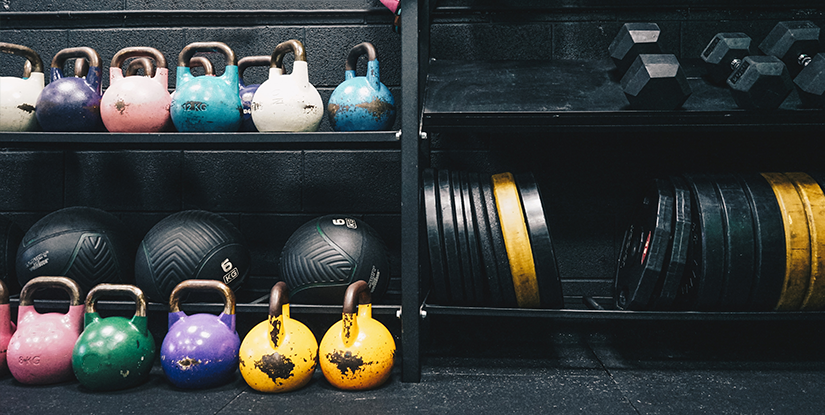
A sudden shortage of resistance bands or a worn-out set of wrist wraps might seem trivial, but for a high-traffic commercial facility, these small failures translate into immediate operational friction. When your members encounter broken or missing secondary equipment, the perception of professional quality drops instantly. Managing a diverse inventory of small-scale gear is a constant battle against wear and tear, yet neglecting these components can disrupt the entire workout flow. Understanding why wholesale gym accessories are vital for daily operations begins with recognizing that small items are the connective tissue of your training environment.
Mitigating Operational Friction via Inventory Redundancy
In a professional setting, the primary failure mode is not the total loss of equipment, but the gradual degradation of availability. If a member reaches for a foam roller and finds a crushed, non-functional one, the facility's perceived value diminishes. Relying on local retail for small-scale replacements leads to inconsistent quality and high procurement costs. A robust wholesale strategy ensures that you are not just buying items, but building a buffer of reliability.
To maintain a seamless environment, operators must shift from a 'reactive replacement' mindset to a 'strategic buffering' model. This involves tracking the turnover rate of high-use items like lifting straps or yoga mats to anticipate depletion before it happens.
The Cost of Single-Unit Procurement vs. Bulk Sourcing
Many new facility managers make the mistake of purchasing accessories as they break. While this keeps immediate capital expenditure low, it creates a cycle of high shipping costs and inconsistent product specifications. Below is a breakdown of the logistical impact of these two different procurement approaches.
| Feature | Reactive Retail Procurement | Wholesale Bulk Procurement |
|---|---|---|
| Cost per Unit | High (includes retail markup) | Low (volume-based discounting) |
| Shipping Frequency | High (frequent small shipments) | Low (optimized palletized shipping) |
| Specification Consistency | Low (varying manufacturers) | High (standardized batches) |
| Operational Downtime | Frequent (waiting for single items) | Minimal (stock-on-hand buffer) |
By establishing a standardized inventory through wholesale channels, you control the variables of quality and cost. This foundational stability allows you to turn your attention toward more complex equipment maintenance and safety protocols.
Material Durability and the Lifecycle of Small-Scale Gear
Once you have secured a consistent supply through wholesale channels, the next challenge is managing the physical lifecycle of these products. A common mistake is treating resistance bands or weightlifting belts with the same durability standards as a heavy-duty power rack. In reality, small accessories are subjected to constant friction, sweat, and extreme stretching, making material selection a critical decision criterion for buyers.
When sourcing, you must look beyond the visual aesthetics and scrutinize the technical composition. For instance, the difference between a standard TPE band and a high-grade latex band can determine if the item lasts three months or twelve.
Critical Material Inspection Checklist for Buyers
Before approving a large-scale wholesale order, use this technical checklist to verify that the incoming goods meet commercial-grade standards.
- Tensile Strength Verification: For elastic goods, check for uniform thickness and lack of microscopic surface imperfections that lead to snapping.
- Odor and Chemical Residue: High-quality rubber or foam accessories should not emit harsh chemical smells, which often indicates low-grade synthetic fillers.
- Seam Integrity: For fabric-based items like wraps or lifting belts, perform a manual stress test on the stitching to ensure it can handle repetitive heavy loading.
- Texture and Grip: For items like yoga blocks or mats, verify that the surface finish provides sufficient friction even when moisture is present.
A successful procurement process doesn't end at the loading dock; it continues through the rigorous verification of these material standards. This level of scrutiny ensures that your inventory remains a reliable asset rather than a recurring liability.
Standardizing Training Experiences Through Uniformity
Inconsistency in accessory quality is a hidden killer of member retention. If a user has a great experience with a premium lifting strap one day, but a flimsy, unreliable one the next, the lack of uniformity creates a disjointed training experience. This is why wholesale gym accessories are vital for daily operations: they provide the uniformity necessary for a professional brand identity.
Uniformity isn't just about looks; it is about the technical specifications of the grip, the weight, and the resistance levels. When every piece of equipment, regardless of when it was purchased, behaves the same way, the user develops a sense of trust in the facility.
Common Failure Modes in Small Equipment Sets
Recognizing the symptoms of failing equipment allows you to act before an accident occurs. Below are common issues observed in high-traffic commercial environments.
| Accessory Type | Failure Symptom | Underlying Cause | Actionable Fix/Verification |
|---|---|---|---|
| Resistance Bands | Visible micro-cracks | UV exposure or poor material density | Immediate replacement; store in cool, dark areas. |
| Foam Rollers | Flattened/Dense spots | Constant compressive loading | Cycle usage; replace when structural integrity is lost. |
| Weightlifting Belts | Fraying at edges | High friction or low-grade synthetic leather | Inspect stitching weekly; replace if edges soften. |
| Yoga Mats | Peeling surface layer | Improper cleaning chemicals | Use pH-neutral cleaners; replace if non-slip surface fails. |
Monitoring these failure modes helps you refine your replenishment cycles. Once the physical standards are understood, you must transition to a formal maintenance and inspection schedule to ensure these items remain safe for use.
Implementing a Systematic Inspection and Maintenance Routine
A professional operator does not wait for a complaint to address faulty gear. Instead, a systematic approach to maintenance ensures that the small-scale equipment is always in peak condition. This routine should be integrated into the daily opening or closing checklists used by floor staff.
The goal of a maintenance routine is to catch the 'warning signs' of material fatigue. A highly effective system categorizes accessories into three tiers: Tier 1 (Heavy Use/High Risk), Tier 2 (Moderate Use), and Tier 3 (Seasonal/Occasional Use). This allows you to allocate your inspection time effectively.
Tiered Inspection Framework for Facility Staff
Assigning specific duties to staff members prevents the 'bystander effect' where everyone assumes someone else has checked the gear.
- Daily (Tier 1 focus): Inspect resistance bands for cracks and weightlifting belts for loose buckles. These are high-risk items.
- Weekly (Tier 2 focus): Check the texture of yoga mats and the density of foam rollers. Ensure all fabric-based accessories are free of significant odors or stains.
- Monthly (Full Audit): Conduct a complete count and quality audit of all small accessories. Reorder items that have reached the 50% threshold of their expected lifespan.
By applying this rigor, you transform a chaotic pile of accessories into a managed inventory system. This disciplined approach to maintenance and inspection directly contributes to the long-term operational stability and safety of the gym.
Optimizing Logistics: Storage and Environmental Controls
Effective management of wholesale accessories extends beyond the point of purchase into the physical storage environment. A common failure mode in gym management is neglecting the environmental conditions where spare inventory is kept. If your backup stock of latex bands or foam blocks is stored in a hot, humid warehouse or a sun-drenched storage room, their functional lifespan will be drastically reduced before they even reach the gym floor.
To prevent premature material degradation, implement a strict storage protocol. This ensures that your wholesale investment retains its full value until the moment of use.
Storage Environment Control Checklist
Use these parameters to determine if your current storage area is suitable for commercial-grade accessories.
- Temperature Stability: Avoid areas subject to extreme heat fluctuations (e.g., near heaters or uninsulated exterior walls) which can cause rubber to become brittle.
- UV Protection: Ensure all elastic and polymer-based products are kept in opaque containers or dark storage rooms to prevent UV-induced molecular breakdown.
- Moisture Management: Keep fabric-based items like lifting straps and yoga mats in low-humidity environments to prevent mold, mildew, and scent absorption.
- Weight Distribution: Avoid stacking heavy items on top of lighter, compressible accessories (like foam blocks) to prevent permanent structural deformation.
By controlling the environment, you maximize the ROI of your wholesale orders. This logistical foresight leads directly into the broader economic impact of how these items influence your facility's bottom line.
The Strategic Role of Accessories in Facility Profitability
While large machines generate the most attention, the profitability of a gym often depends on the efficiency and turnover of the entire space. Accessories play a massive role in this by either enabling or hindering the speed of training sessions. If members are constantly hunting for available or functional small gear, they spend less time training and more time frustrated, which directly impacts the perceived value of their membership.
Furthermore, a well-managed accessory inventory can serve as a secondary revenue stream. Providing high-quality, branded accessories for sale or rent can offset the costs of the wholesale procurement process, turning a cost center into a profit center.
Balancing Inventory Turnover and Capital Expenditure
To optimize the return on investment (ROI), operators must find the sweet spot between overstocking (tying up cash) and understocking (causing operational friction). The following logic helps determine the optimal reorder point.
- The Buffer Rule: Always maintain enough stock to cover at least one full wholesale shipment cycle plus a 20% emergency margin.
- The Quality-to-Price Ratio: Do not default to the cheapest option. A slightly more expensive, high-durability band that lasts twice as long is more profitable than a cheap band that needs replacing every month.
- The Turnover Metric: Track how quickly certain items are 'lost' or 'destroyed'. If your turnover is unexpectedly high, it is time to re-evaluate the material specs of your current wholesale supplier.
Ultimately, understanding the technical and operational nuances of small-scale gear ensures that your facility remains a high-performance environment. By mastering the procurement, inspection, and maintenance of these vital components, you secure the long-term success of your daily operations.