
Optimizing Procurement for Wholesale Weight Sets in Commercial Facilities
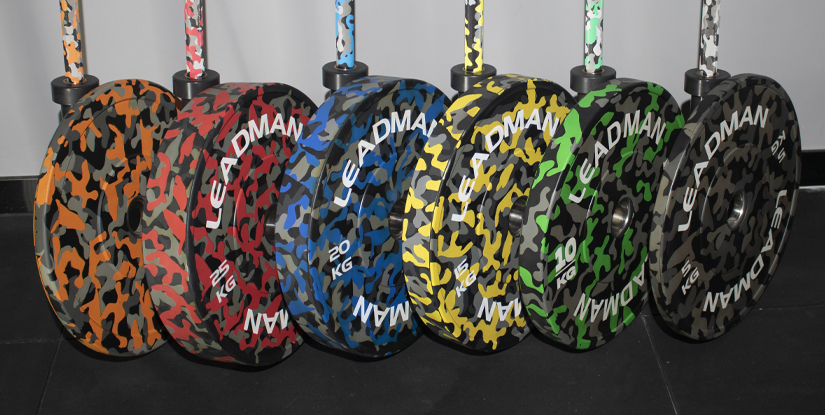
Mitigating Procurement Risks with Wholesale Weight Sets
Facility managers often encounter a recurring failure mode when sourcing high-volume equipment: the discrepancy between theoretical specifications and real-world durability. When a gym or hotel facility invests in Wholesale Weight Sets, the immediate concern is rarely the initial purchase price, but rather the long-term operational cost associated with premature wear, weight imbalances, and surface degradation. A mismatch between the intended usage intensity and the material grade of the weights can lead to rapid oxidation, damaged flooring, or even safety liabilities.
The cause of these failures is typically found in the nuance of material selection—specifically the difference between consumer-grade coatings and commercial-grade encasements. To avoid these pitfalls, operators must move beyond looking at simple weight increments and instead scrutinize the structural integrity of the core and the resilience of the exterior. Establishing a rigorous verification process during the procurement stage ensures that the equipment can withstand the rigors of high-traffic commercial environments. Once the selection criteria are established, the focus must shift to the technical specifications of the weight types to ensure compatibility with existing facility layouts.
Material Composition and Durability Standards
Understanding the transition from procurement to operational deployment requires a deep dive into what constitutes a high-quality weight. The primary driver of durability in commercial settings is the tension between the internal weight core and its protective outer layer. If the outer layer is improperly bonded or made of low-density materials, the set will inevitably fail under heavy use.
Cast Iron vs. Rubber-Encased Weights
The choice between cast iron and rubber-encased sets is not merely aesthetic; it dictates the maintenance cadence and the necessary floor-load capacity of your facility. Cast iron is highly durable but requires constant vigilance regarding humidity and oxidation. Rubber-encased weights, while more forgiving on the flooring, present different long-term challenges such as scent retention and material cracking.
| Feature | Cast Iron Sets | Rubber-Encased Sets | Operational Impact |
|---|---|---|---|
| Durability Factor | High (Metal Core) | Medium (Polymer Layer) | Rubber may crack over time |
| Floor Impact | High (Requires Matting) | Moderate (Shock Absorbing) | Rubber minimizes vibration |
| Oxidation Risk | High (Rust potential) | Low (Protected Core) | Cast iron needs oiling |
| Maintenance Level | High (Rust prevention) | Low (Cleaning only) | Rubber requires pH-neutral care |
Operators should verify the density of the rubber coating through a physical sample test or by requesting specific Shore hardness ratings. A mismatch here often leads to the common mistake of installing high-impact weights on surfaces that lack the necessary shock absorption. Selecting the right material is the prerequisite for determining how these weights will eventually interact with your facility's flooring and load-bearing structures.
Evaluating Tolerance and Weight Accuracy
As we move from material selection to the granularities of performance, the concept of weight tolerance becomes critical. A common failure in low-cost wholesale orders is the presence of significant variance between the labeled weight and the actual weight. In a professional setting, a 2% variance might be acceptable, but a 5% or higher variance can disrupt a client's training progress and lead to dissatisfaction.
Verifying Weight Consistency
To ensure you are receiving high-specification equipment, implement a verification protocol during the receiving phase. Do not assume that a set labeled as 20kg is precisely 20kg across all units. A professional facility should utilize a calibrated digital scale to sample at least 5% of the incoming shipment to check for deviations.
- Standard Deviation Check: Measure a sample of 10 weights from the same batch.
- Calibration Verification: Ensure the scale used is industry-standard and recently calibrated.
- Tolerance Range: Aim for a variance of <1% for high-end precision sets and <3% for standard commercial sets.
Failure to perform this check often results in a gradual loss of trust from users who notice the discrepancy during heavy lifting. Once the accuracy of the weights is verified, the next operational step is ensuring they are stored and used in a way that preserves their physical integrity.
Related reading:
Optimizing Storage and Layout Integration
The physical management of your inventory is just as vital as the initial purchase. Even the highest quality Wholesale Weight Sets will degrade if the storage environment is poorly controlled or if the layout does not account for the weight's physical footprint. Poor storage leads to uneven weight distribution on racks and, in extreme cases, structural bending of the storage hardware.
The Importance of Vertical and Horizontal Storage
Operators often overlook the fact that weight sets are not just loose objects; they are components of a larger ergonomic system. Improperly loaded racks can lead to catastrophic failure if the weight is not centered or if the rack's load rating is exceeded. It is essential to map out your storage zones based on the weight's category (e.g., heavy dumbbells vs. light kettlebells) to prevent structural fatigue on your racks.
| Storage Type | Recommended Use Case | Common Failure Mode | Verification Step |
|---|---|---|---|
| Vertical Dumbbell Rack | Standard Dumbbell Sets | Rack Tipping/Instability | Check floor leveling |
| Horizontal Plate Tree | Olympic Plate Sets | Rod Bending | Measure rod deflection |
| Wall-Mounted Pegs | Compact Space/Light Weights | Wall Anchoring Failure | Inspect bolt torque |
A well-maintained storage system prevents the physical degradation of the weights and ensures a safe environment for users. Transitioning from storage to active usage requires a focus on the impact forces generated during lifting.
Related reading:
Impact Management and Floor Protection
When working with high-volume weight sets, the floor is often the first component to show signs of failure. The impact of dropping a heavy weight or even the subtle vibration of constant movement can lead to sub-floor damage or even structural issues in a multi-story building. This is a critical consideration for hotel gyms and commercial clubs located in multi-use developments.
Implementing Effective Shock Absorption
The solution to impact-related damage is a multi-layered approach involving both the weight's coating and the specialized flooring installed beneath it. If you are utilizing heavy cast iron plates, a high-density rubber flooring with a minimum thickness of 20mm is standard practice to mitigate energy transfer. For standard dumbbell work, a lower Shore hardness can suffice, but the resistance to abrasion remains a non-negotiable factor.
Failure to match the weight's impact profile with the floor's absorption capability leads to 'bouncing' weights and permanent floor indentations. A professional verification step involves testing the 'rebound' of the floor after a controlled drop to ensure it meets the facility's safety standards. Successfully managing these impacts is the foundation of a long-lasting equipment lifecycle, which leads directly into a structured maintenance routine.
Related reading:
Establishing a Maintenance and Inspection Cadence
Even the most durable equipment requires regular oversight to remain safe and functional. A proactive maintenance schedule prevents minor issues, such as a loose bolt or a small surface crack, from becoming major safety hazards or expensive replacement costs. Professional facility managers should treat maintenance as a non-negotiable operational task rather than a reactionary chore.
The Maintenance Checklist for Weight Sets
To maintain the integrity of your Wholesale Weight Sets, implement a tiered inspection process. This ensures that different levels of wear are caught at appropriate intervals. A successful maintenance program typically involves a daily visual check and a more intensive quarterly deep-clean and inspection.
- Daily: Visual sweep for loose parts, broken coatings, or significant surface debris.
- Monthly: Check all storage rack bolts and weight-bearing surfaces for stability and tightness.
- Quarterly: Detailed inspection for oxidation (if cast iron) or cracking (if rubber) and deep cleaning of surfaces.
Common mistakes include using harsh chemical cleaners on rubber-encased weights, which can lead to premature degradation and unpleasant odors. Always verify the cleaning agents against the manufacturer's material compatibility guidelines. By maintaining a consistent inspection cadence, you can extend the ROI of your procurement investments significantly.
Related reading:
Long-term ROI and Lifecycle Management
Ultimately, the goal of high-quality procurement is to maximize the lifecycle of the equipment. The total cost of ownership is a calculation of the initial purchase price plus the cumulative cost of maintenance, floor repairs, and eventual replacement. Investing in premium-grade sets may have a higher upfront cost, but the long-term economic benefit is realized through reduced turnover and higher facility uptime.
Calculating the True Value of Equipment
When evaluating different suppliers, do not look solely at the price per unit. Instead, look at the projected lifespan and the frequency of required replacement. A higher-quality set with a lower maintenance requirement often represents a better value over a five-year period than a cheaper set that requires annual replacement. Operators should track the 'failure rate' of different equipment types within their facility to build better data for future procurement cycles.
| Metric | Low-Cost Option | Professional-Grade Option | Long-Term Value Indicator |
|---|---|---|---|
| Lifespan (Est.) | 1-2 Years | 5-10 Years | Durability vs. Usage Frequency |
| Maintenance Needs | Frequent/High | Occasional/Low | Labor Hours per Month |
| Impact on Floor | High/Destructive | Low/Managed | Floor Replacement Frequency |
| Replacement Cycle | Rapid | Slow | Annual Depreciation Rate |
By understanding these economic drivers, purchasing managers can justify the higher initial expenditure for superior equipment. A rigorous approach to procurement, from material selection to long-term lifecycle management, ensures that your facility remains a premier destination for professional training.
Related reading:
Conclusion: The Path to Operational Excellence
The successful integration of wholesale weight sets into a commercial environment is a process that begins long before the equipment arrives on-site. It is a technical journey that spans material science, precision verification, and disciplined maintenance. By addressing the fundamental pain points of durability, weight accuracy, and impact management, facility operators can avoid the common pitfalls of cheap procurement and instead build a resilient, high-performance training environment. As the fitness industry continues to evolve, the ability to manage these technical details will remain a key differentiator for professional facilities.