
The Durability of Heavy Duty Gym Equipment Under Intensive Use
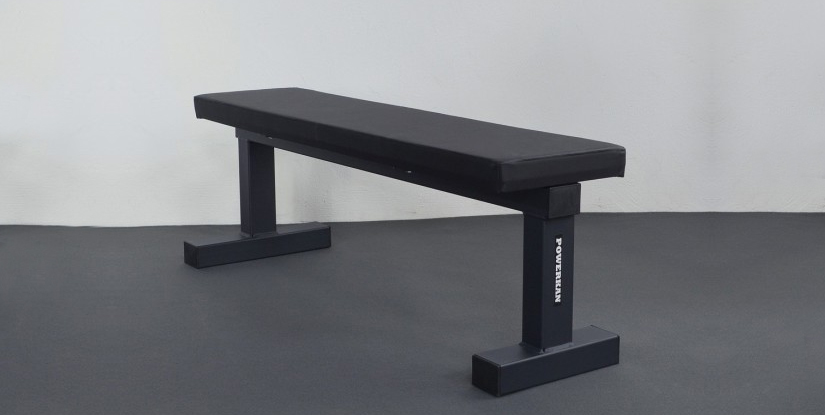
Facility operators and procurement specialists frequently encounter a frustrating phenomenon: high-end equipment that fails prematurely despite its premium price tag. This issue is rarely a result of poor manufacturing alone, but rather a disconnect between equipment specifications and the actual mechanical stress of intensive use. When a commercial facility experiences frequent downtime due to broken cables, bent frames, or worn bearings, the capital expenditure (CAPEX) efficiency plummets. Understanding the technical foundations of how heavy-duty machines withstand high-volume cycles is essential for protecting long-term investment and operational continuity.
The Structural Integrity of High-Gauge Steel Frameworks
The durability of heavy duty gym equipment under intensive use begins with the skeletal structure of the machine. A common failure mode in lower-tier commercial gear is the use of thin-walled steel that buckles under eccentric loading. When users drop heavy weights or apply sudden lateral force, the structural rigidity must remain intact to prevent permanent deformation.
Material Density and Wall Thickness Standards
To ensure long-term stability, operators should look for steel gauges that meet specific industrial standards for commercial environments. A frame that looks robust but utilizes thin-walled tubing will eventually develop micro-cracks at the weld points. We recommend verifying the gauge of the steel through technical specification sheets rather than visual inspection alone.
| Component Type | Standard Requirement | Failure Symptom |
|---|---|---|
| Primary Uprights | 11-gauge or thicker steel | Structural sway or visible bowing |
| Weight Storage Poles | High-density steel tubing | Leaning or bending under load |
| Crossbeams | Reinforced weld joints | Stress fractures at junction points |
A robust frame provides the necessary foundation for all moving parts, which leads us to the critical issue of load-bearing connectivity and welding quality.
Analyzing Load-Bearing Connections and Weld Precision
Even the strongest steel will fail if the connection points—the welds and bolts—are subpar. Under intensive use, the constant vibration and repetitive impact of weight cycles place immense strain on these junctions. A major mistake in procurement is overlooking the distinction between structural welds and cosmetic welds.
Identifying High-Stress Failure Points
In a high-volume gym, the most frequent failures occur at the pivot points and the interfaces between moving arms and stationary frames. If the weld bead is inconsistent or lacks sufficient penetration, the vibration from repeated use will eventually cause the metal to fatigue. Operators should perform a tactile inspection of welds on load-bearing arms to ensure they are smooth, continuous, and lack porosity.
- Visual Inspection: Look for 'beading' issues or cracks in the paint around a weld, which often signal structural fatigue.
- Manual Stress Test: Gently apply pressure to a stationary component to check for any unintended micro-movement at the joint.
- Hardware Verification: Ensure all bolts are Grade 8 or higher industrial fasteners, not standard hardware-store screws.
With the structural skeleton secured, the focus must shift to the components that actually facilitate movement: the bearings and cable systems.
Mechanical Longevity of Bearings and Pivot Assemblies
The smoothness of a machine's motion is a direct indicator of the quality of its internal bearings. As machines undergo thousands of repetitions, the friction generated can lead to heat buildup, which degrades the lubrication and eventually causes the metal components to grind against one another.
Bearing Types and Environmental Resistance
High-performance commercial equipment typically utilizes sealed ball bearings to prevent dust and sweat from entering the mechanism. If an operator notices a 'clicking' sound or increased resistance during a movement, it is often a sign that the bearing has reached its end-of-life or has been contaminated. Replacing a single bearing is a low-cost fix, but ignoring the symptom can lead to total shaft failure.
To maintain peak performance, operators must distinguish between different bearing environments:
| Bearing Type | Best Use Case | Maintenance Requirement |
|---|---|---|
| Sealed Ball Bearings | High-repetition weight machines | Periodic visual check for seal integrity |
| Bushings | Low-speed, high-load stability | Regular lubrication with silicone-based grease |
| Roller Bearings | Heavy rotating components | High-frequency lubrication schedules |
The integrity of these bearings is heavily reliant on the tension and condition of the cables and pulleys that drive them.
Cable Durers and Pulley System Maintenance
Cables are often the first 'consumable' part to fail in a commercial setting. A snapped cable is not just a maintenance headache; it is a major liability risk. The durability of heavy duty gym equipment under intensive use is often limited by the tensile strength of its cables and the smoothness of its pulleys.
Preventing Cable Fatigue and Fraying
Most commercial cables are made of aircraft-grade steel with a nylon or vinyl coating. The failure usually begins with the internal wire strands fraying under the coating. Once the coating is breached, moisture and sweat accelerate the oxidation of the internal steel, leading to rapid snapping. Operators should implement a weekly 'touch-test'—running a cloth over the cable to check for any rough spots or imperfections.
Common Mistake: Using standard industrial wire rope instead of specialized coated gym cables. Standard wire lacks the flexibility required for continuous bending, which leads to rapid fatigue at the pulley contact points.
Regular cable and pulley maintenance ensures that the mechanical energy of the user is efficiently transferred without the risk of sudden failure.
Surface Finishes and Material Resistance to Environmental Stressors
Durability is not just about mechanical strength; it is also about the ability of the equipment to resist the corrosive nature of a gym environment. Sweat is highly acidic and, when combined with high humidity, can aggressively attack unprotected metal surfaces.
The Role of Powder Coating and UV Protection
A high-quality powder coating serves as a sacrificial layer that protects the steel from oxidation. If the coating is chipped or poorly applied, the underlying metal will begin to rust, compromising the structural integrity over time. This is particularly common on machines located near windows or in facilities with less-than-ideal climate control.
- Check for Rust: Inspect the base of the machines and any areas where weights are frequently loaded or dropped.
- Evaluate Coating Thickness: High-end equipment features a thick, uniform powder coat that should not chip easily under standard impact.
- Wipe-Down Protocols: Ensure staff are using pH-neutral cleaners, as harsh chemicals can strip the protective coating off the equipment.
A well-maintained surface protects the internal components from the elements, setting the stage for a rigorous inspection protocol.
Implementation of a Preventative Maintenance Schedule
The difference between equipment that lasts five years and equipment that lasts fifteen is a disciplined maintenance schedule. Reactive maintenance—fixing things only when they break—is the most expensive way to run a facility because it results in unplanned downtime and potential user injury.
The Tiered Inspection Framework
Operators should categorize their maintenance tasks by frequency to ensure no critical component is overlooked. A systematic approach allows for the identification of wear patterns before they become catastrophic failures.
| Frequency | Task Focus | Verification Method |
|---|---|---|
| Daily | Visual check of cables/upholstery | Visual walk-through by floor staff |
| Weekly | Bolt torque and cable tension | Manual tension test and wrench check |
| Monthly | Bearing lubrication and frame stability | Lubrication of pivots and structural test |
| Quarterly | Comprehensive mechanical audit | Full teardown/inspection of wear parts |
Following this structured approach transforms maintenance from a chore into a strategic tool for maximizing ROI.
Troubleshooting Common Performance Deviations
When equipment begins to behave unexpectedly, it is often an early warning sign of a deeper mechanical issue. Understanding how to diagnose these deviations can save a facility significant repair costs if addressed early.
Diagnosing Noise and Resistance Issues
A change in the 'feel' of a machine is the most common indicator of fatigue. If a user reports that a machine feels 'stiff' or 'jittery,' the problem is rarely the user's form, but rather a technical deviation in the machine's mechanics. For instance, a jittery movement in a selectorized machine often indicates a worn weight stack guide rod or a dry pulley.
Diagnostic Matrix:
- Symptom: Squeaking during movement $ ightarrow$ Probable Cause: Dry bearing or lack of lubrication.
- Symptom: Sudden resistance $ ightarrow$ Probable Cause: Cable fraying or bent weight guide rod.
- Symptom: Audible 'clunking' $ ightarrow$ Probable Cause: Loose mounting bolts or worn bushing.
By recognizing these signs, operators can act as the first line of defense in preserving the life of their assets.
Long-Term ROI and the Lifecycle of Commercial-Grade Gear
Ultimately, the goal of understanding the durability of heavy duty gym equipment under intensive use is to maximize the return on investment. High-quality equipment carries a higher upfront cost, but its total cost of ownership (TCO) is significantly lower than cheaper alternatives that require frequent replacement and high maintenance labor.
When evaluating potential purchases, professional buyers should look beyond the sticker price. They must consider the material thickness, the quality of the bearings, the robustness of the welding, and the availability of replacement consumables like cables and bushings. A machine designed for 24/7 intensive use will have a different specification profile than one intended for a light residential or studio setting. By prioritizing these technical metrics, facility owners can ensure their equipment remains a reliable, high-performing asset for years to own.