
Safe Training with Quality Strength Workout Equipment: A Professional Implementation Guide
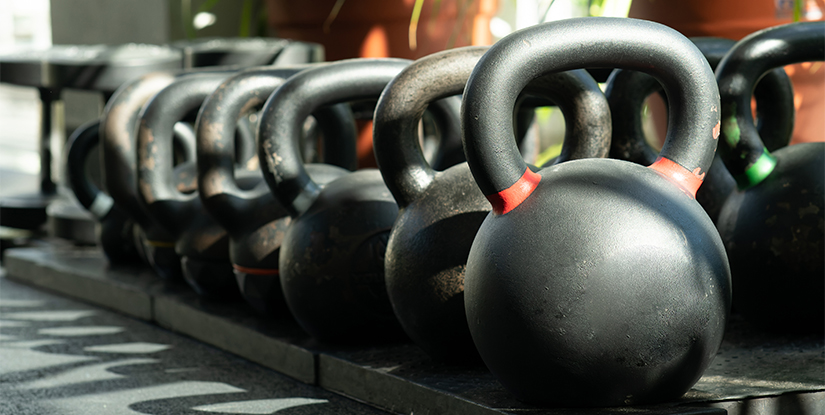
For facility managers and professional athletes, the distinction between high-performance machinery and substandard hardware is not merely a matter of comfort; it is a critical safety threshold. Investing in strength training assets requires a strategic understanding of material integrity, mechanical tolerances, and long-term operational reliability. This guide serves as a professional framework for identifying, implementing, and maintaining high-standard equipment to ensure that performance gains are never compromised by mechanical failure.
Defining High-Performance Standards for Strength Assets
Before a single piece of equipment is commissioned, an operator must establish what constitutes "quality." In a professional setting, quality is defined by the ability of the equipment to maintain consistent mechanical output under varying load conditions. The problem often arises when procurement focuses on initial price points rather than the technical specifications of the build quality.
High-quality equipment must meet rigorous structural requirements. For instance, the thickness of the steel tubing in a power rack dictates its resistance to lateral deflection under heavy weight. If the steel is too thin, even a slight misalignment can lead to catastrophic structural fatigue. Professionals should look for standardized gauge thicknesses and reinforced weld points as non-negotiable baseline requirements.
To facilitate better procurement decisions, the following table outlines the technical distinctions between commercial-grade assets and lower-tier alternatives:
| Feature | Commercial-Grade Standard | Standard/Consumer-Grade | Risk Implication |
|---|---|---|---|
| Steel Gauge | 11-gauge or higher (heavy-duty) | 14-gauge or lower | Structural bowing and weld fatigue |
| Weld Integrity | Full-penetration, continuous welds | Tack or intermittent welds | Point-load failure under dynamic stress |
| Bearing Systems | Precision sealed bearings | Standard bushings | Increased friction and uneven load distribution |
| Upholstery | High-density foam with reinforced stitching | Low-density foam/thin vinyl | Compression failure and ergonomic instability |
Establishing these baseline benchmarks ensures that your facility is built on a foundation of stability. Once the selection criteria are established, the focus must shift to the physical assembly and the environment in which the equipment operates.
Structural Integrity and Assembly Precision
Selecting the right materials is only the first step; the second is the precision of the assembly process. A common failure mode in strength training environments is the installation of uneven components, which leads to micro-vibrations and eventual mechanical breakage. When equipment is not level or correctly bolted, the structural load is unevenly distributed, creating stress concentrations at the joints.
Verifying Levelness and Alignment
A professional installation must include a rigorous leveling protocol. Even a 1-degree deviation in a heavy barbell rack can cause a noticeable drift in the movement pattern, which can lead to repetitive strain injuries for the user. Operators should utilize high-precision spirit levels and laser alignment tools during the setup phase to verify that all uprights and crossmembers are perfectly plumb.
- The Shim Method: Always use high-density rubber or steel shims rather than improvised materials to correct minor floor irregularities.
- Torque Specification: Every bolt in a high-load environment should be tightened to a specific torque value, not just "hand tight."
- Alignment Verification: For adjustable stations, ensure that the adjustment holes align perfectly without forcing the pin.
By prioritizing assembly precision, you mitigate the risk of structural fatigue. This level of attention to detail extends naturally into the maintenance phase, where the goal is to preserve the precision established during installation.
Mechanical Component Maintenance and Lubrication Protocols
Once the equipment is successfully installed, the primary challenge shifts to preventing the degradation of moving parts. Resistance training equipment relies heavily on smooth-running components like cables, pulleys, and bearing systems. The problem of 'stuttering' or increased friction is often a precursor to complete mechanical failure, caused by either lack of lubrication or the accumulation of debris.
Maintenance is not an occasional task but a scheduled operational requirement. If a cable machine exhibits even a slight hitch in its movement, it is a signal that the internal routing or the pulley bearing is compromised. Failure to address this can lead to cable snapping, which poses a direct physical threat to the user.
The following checklist should be utilized by facility technicians during monthly inspections:
- Cable Inspection: Check for any signs of fraying, kinking, or wire exposure. Replace immediately if any strands are broken.
- Pulley Lubrication: Apply specialized, non-residue lubricant to bearings. Avoid heavy oils that attract dust and grit.
- Weight Stack Integrity: Inspect guide rods for smoothness and ensure no oxidation is present.
- Adjustment Pins: Ensure all pins are smooth and fit securely without excessive play.
Effective maintenance keeps the machine's performance within the intended tolerance range. However, even perfectly maintained machines can suffer from unexpected wear, necessitating a rigorous inspection cadence and a keen eye for early symptoms.
Identifying and Mitigating Common Failure Modes
Experienced operators know that equipment failure rarely happens without warning. The key to safe training with quality strength workout equipment is identifying the subtle indicators of impending failure. Most failures follow a predictable pattern: minor deviation in movement, followed by increased noise, and finally, physical breakage.
The Progression of Mechanical Failure
Understanding the 'why' behind a failure allows for proactive prevention. For example, a common failure in weight benches is the collapse of the foam padding. This is rarely a sudden event; it is usually caused by the slow compression of low-density foam under repetitive heavy loading. As the foam loses its resilience, the user's spine or joints may experience sudden, uneven contact with the hard structural frame.
Another frequent issue involves the oxidation of metal surfaces and the hardening of synthetic materials. Over time, the rubber coatings on dumbbells or the vinyl on weight benches can crack due to temperature fluctuations and UV exposure. These cracks are not just aesthetic; they allow moisture and sweat to penetrate the internal padding, leading to rot and structural weakness.
Diagnostic Table: Symptom vs. Root Cause
| Symptom | Probable Root Cause | Corrective Action |
|---|---|---|
| Rhythmic Clunking in Smith Machine | Loose guide rod mounting or bearing wear | Tighten mounting bolts; inspect/replace bearing |
| Jerky Cable Motion | Cable fraying or pulley misalignment | Replace cable; realign pulley path |
| Unstable Dumbbell Grips | Degraded rubber coating/oxidation | Replace weights or resurface grips |
| Squeaking Bench/Rack | Dry pivot points or loose hardware | Lubricate joints; torque all fasteners |
Recognizing these patterns allows a facility manager to move from reactive repairs to proactive management. This transition is essential for maintaining a high-performance environment that prioritizes user safety through mechanical reliability and environmental oversight.
Optimizing the Training Environment for Safety
While the equipment itself must be robust, the environment in which it is housed is equally vital to the overall safety profile. A high-quality machine can still be dangerous if the surrounding floor surfaces or ambient conditions are poorly managed. The interaction between the machine and the facility's architecture must be seamless.
The most critical element of the environment is the flooring. Strength training involves high-impact loading and heavy metal objects. Without appropriate impact-absorption surfaces, the vibration from a dropped barbell can travel through the floor and affect the stability of nearby machines, such as cable towers or specialized electronic strength devices. This 'vibration transfer' can loosen fasteners in nearby equipment over time.
When designing a space, consider the following environmental controls:
- Impact Buffering: Utilize high-density rubber mats (at least 20mm thick) in high-impact zones to protect both the floor and the equipment.
- Clearance Zones: Maintain a minimum safety radius of 1.5 meters around all free-weight stations to prevent accidental collisions.
- Climate Stability: Excessive humidity can accelerate the oxidation of metal and the degradation of upholstery. Control the HVAC system to maintain a stable environment.
Optimizing the environment ensures that the structural integrity of your assets is preserved. However, even with perfect conditions, a systematic verification process remains the ultimate defense against unpredicted wear.
Comprehensive Safety Audit: The Professional Standard
The final layer of defense is a rigorous, documented audit process. A professional operator does not rely on visual intuition; they rely on a systematic, data-driven approach to safety. A successful facility operation is characterized by a regular cadence of testing and verification that ensures every piece of equipment remains within its engineered tolerances.
The audit process should be split into three distinct levels of scrutiny: daily visual checks, weekly functional tests, and quarterly deep-dive inspections. This multi-layered approach ensures that minor issues are caught before they escalate into safety incidents or costly replacements.
Operational Audit Tiers
- Level 1: The Daily Operational Check: Focuses on obvious indicators of wear and immediate threats. This is a rapid scan performed by end-of-shift staff to ensure the work area is clear, pins are in place, and no visible leaks exist.
- Level 2: Weekly Functional Tests: Involves testing the range of motion of all pulleys, cables, and adjustable components to detect early signs of friction or misalignment.
- Level 3: Quarterly Deep-Dive: This represents the highest level of oversight, involving a comprehensive inspection of the mechanical core. Technicians should use precision tools to verify torque specifications and inspect load-bearing surfaces for micro-fractures or excessive wear.
By implementing this rigorous hierarchy of care, you ensure that your investment in quality strength workout equipment provides a safe, reliable, and high-performing service for years to come.