
The Role of Equipment in Creating a Cohesive Gym Brand Experience
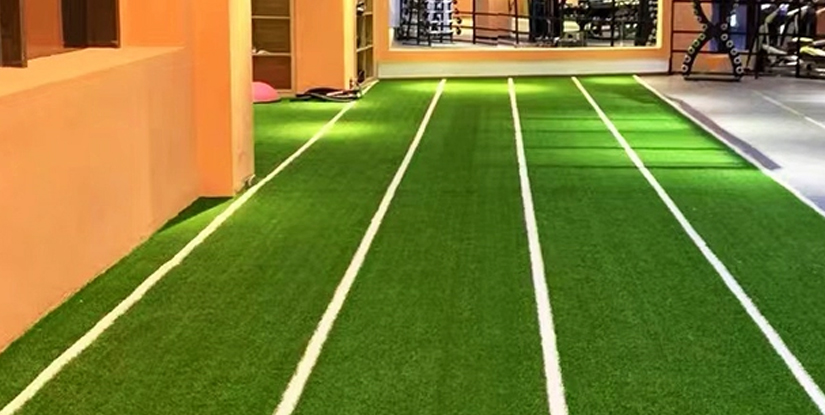
Challenging the Commodity Fallacy in Fitness Asset Selection
A prevalent misconception among facility operators is that gym equipment serves merely as a functional commodity—a set of tools that can be swapped out with minimal impact on the overall brand identity. This view suggests that as long as a machine performs its mechanical function, the brand remains intact. However, this ignores the psychological connection between a member and their physical environment. When equipment is viewed as an interchangeable utility rather than a core component of the brand experience, the result is often a disjointed facility that lacks a signature identity.
The cause of this identity drift is usually found in fragmented procurement processes, where different zones of a gym (cardio, strength, functional) are sourced without a unifying aesthetic or tactile logic. This leads to a visual and operational mismatch that confuses the user. To fix this, operators must shift from a product-centric mindset to a brand-centric procurement model, ensuring that every piece of gear reinforces the intended market position. Verifying this requires auditing the 'sensory consistency' of the floor—checking if the machine finishes, color palettes, and even the resistance feel align across all zones.
Understanding this shift from utility to identity is crucial, as it leads directly into how specific material choices influence the user's perception of quality.
Material Selection and the Sensory Implementation of Brand Values
Once the strategic shift toward a brand-centric model is established, the focus must move to the granular level of material science and tactile feedback. The materials used in equipment construction do more than provide durability; they communicate the brand's value proposition through touch and sight.
Tactile Feedback and Grip Ergonomics
High-end boutique studios often rely on high-density polymers and premium leatherette for upholstery to signal exclusivity, whereas high-volume commercial gyms might prioritize high-impact resistance plastics for ease of cleaning. A common failure in procurement is ignoring the 'grip profile'—the texture and temperature of handles and weights. A cold, metallic feel can evoke a rugged, industrial brand, while a textured, warm-to-the-touch finish suggests a wellness-oriented or premium lifestyle brand.
Visual Cohesion Through Surface Finishes
Operators must decide on a uniform finishing standard to avoid a 'mismatched' look. The following table outlines how different surface finishes align with specific brand personas:
| Surface Finish Type | Brand Persona Alignment | Operational Consideration |
|---|---|---|
| Matte Powder Coating | Modern, Minimalist, Premium | Reduces glare under high-intensity lighting; shows fingerprints less visibly. |
| High-Gloss Polished | Tech-Forward, High-Energy | Requires more frequent cleaning to maintain the 'new' look; high reflectivity. |
| Textured Industrial | Hardcore, Strength-Focused | Highly durable; masks scratches and wear better than smooth surfaces. |
| Brushed Metallic | Luxury, Sophisticated | Adds a sense of weight and value; susceptible to subtle scuffing over time. |
By selecting finishes that match the intended brand persona, operators can create a seamless visual narrative. However, visual cohesion is hollow if the equipment does not maintain its physical integrity through rigorous maintenance cycles.
The Impact of Maintenance on Long-Term Brand Integrity
The transition from a new installation to a well-established facility is where many brands fail. A cohesive brand experience is not just about the initial look, but about the sustained perception of excellence. When equipment falls into disrepair, the brand promise is broken, regardless of how much was spent during the initial setup.
Common Failure Modes in Equipment Care
The most frequent breakdown in brand cohesion occurs when a facility appears 'patchy'—some machines look new while others show signs of significant wear. This is often caused by reactive rather than proactive maintenance. For example, a worn-out seat in a strength machine or a frayed cable on a functional trainer immediately signals a lack of care to the member.
- Failure Mode 1: Neglected lubrication in mechanical joints leading to audible squeaks and friction.
- Failure Mode 2: Unchecked bolt torque resulting in slight wobbles or instability.
- Failure Mode 3: Poor upholstery maintenance causing discoloration or tears.
To mitigate these risks, operators should implement a tiered maintenance checklist. Instead of waiting for a failure, verify the performance of the equipment through regular inspections. For instance, a monthly audit of cable tension and a weekly check of upholstery integrity can prevent the perception of a declining facility. This level of detail ensures that the equipment continues to support the brand's promise of quality. Moving from maintenance to layout is the next step in optimizing the user flow.
Explore the complete technical specifications:
Optimizing Equipment Layout for a Seamless User Journey
While maintaining equipment is essential for durability, the physical arrangement of these assets dictates the rhythm of the brand experience. A cohesive layout ensures that the movement from one training modality to another feels intuitive rather than chaotic.
Zoning Strategies for Brand Cohesion
A common mistake in gym design is the lack of 'transition zones.' When a user moves from a high-intensity cardio zone directly into a calm, stretching area without a logical transition, the brand's sense of atmosphere is disrupted. A strategic approach involves grouping equipment by physiological response and brand 'mood.'
| Zone Type | Primary Equipment Focus | Atmospheric Requirement | Transition Element |
|---|---|---|---|
| High-Intensity Zone | Treadmills, Air Bikes, Racks | High lighting, high volume, rugged surfaces | Acoustic buffering or heavy-duty flooring |
| Strength & Power Zone | Free Weights, Platforms, Racks | Focused lighting, industrial aesthetics | Floor-to-ceiling mirrors or structural columns |
| Functional/Recovery Zone | Benches, Mats, Kettlebells | Soft lighting, natural textures, ambient sound | Open space and elevated flooring textures |
A successful operator verifies the layout by performing a 'user-path audit'—physically walking through the facility to identify bottlenecks or jarring transitions. Once the layout is optimized and the zones are defined, the focus must return to the technical specifications that allow for these diverse environments.
Standard Operating Procedures for Spec Verification
To ensure that the high-standard equipment actually meets the brand's requirements during the procurement phase, operators must implement strict Specification Verification Protocols (SVPs). Relying solely on manufacturer brochures is a recipe for a cohesive-experience failure.
Technical Parameter Checklists for Procurement
When evaluating potential equipment, operators should not just look at the aesthetic, but at the technical tolerances. A cohesive brand requires a standard of performance that is consistent. If the resistance on a selectorized machine feels 'stuttery' compared to another, the premium brand image is instantly damaged.
Verification Steps for Buyers
Before finalizing any large-scale equipment purchase, the following verification steps should be completed:
- Step 1: Tolerance Testing: Request data on mechanical tolerances and weight-stack smoothness.
- Step 2: Color Matching: Request physical color swatches to ensure the powder coating matches existing installations under actual facility lighting.
- Step 3: Durability Simulation: Ask for reports on the material's resistance to common facility chemicals (e.g., harsh sanitizers).
- Step 4: Ergonomic Audit: If possible, test the ergonomics of a sample unit to ensure the 'feel' matches the brand's target demographic.
Verifying these technical nuances ensures that the equipment performs as expected, reinforcing the brand's reputation for reliability. With these standards in place, the final piece of the puzzle is understanding how to manage the operational lifecycle to sustain this excellence.
The Role of Lighting and Acoustic Integration in Equipment Presence
Equipment does not exist in a vacuum; it is part of a multi-sensory environment. A common oversight is failing to account for how the physical presence of heavy machinery interacts with the facility's lighting and soundscapes. A cohesive brand experience requires that the equipment 'fits' the acoustic and visual envelope of the space.
Mitigating Visual and Auditory Friction
Heavy equipment creates two types of friction: visual clutter and auditory noise. If a brand focuses on a 'Zen' or 'Wellness' identity, the presence of large, matte-black power racks can feel jarring if they are not integrated through thoughtful lighting or architectural masking. Conversely, in a high-performance facility, certain types of lighting can make equipment look outdated or uninspiring.
- Visual Integration: Use lighting to highlight the silhouette of premium equipment. For example, directional spotlights can emphasize the structural integrity of strength machines, while diffused, indirect light can soften the look of cardio consoles in a boutique setting.
- Acoustic Management: Equipment movement creates noise. A brand that promises 'tranquility' must ensure that the mechanical sounds of weights hitting platforms or treadmill motors are dampened through specialized flooring or acoustic paneling.
By controlling these environmental variables, operators ensure that the equipment enhances rather than detracts from the intended atmosphere. This brings us to the long-term management of these investments.
The Operational Lifecycle and ROI of Brand-Centric Equipment
The ultimate goal of investing in a cohesive equipment experience is the long-term return on investment (ROI). A brand that is perceived as premium and reliable through its equipment will naturally command higher membership fees and lower churn rates. However, this ROI is contingent on treating equipment as a long-term asset rather than a short-term expense.
The Hidden Costs of Cheap Procurement
The temptation to source lower-cost, non-cohesive equipment is high, but the long-term costs are often much higher. These include increased replacement frequency, higher maintenance labor, and the intangible cost of brand erosion. A facility that looks 'cheap' or 'disjointed' will struggle to attract and retain a high-value demographic, regardless of the quality of the training staff.
Measuring Success through Brand KPIs
To determine if the equipment is successfully contributing to the brand experience, operators should track more than just equipment uptime. Consider these metrics:
- Member Sentiment Score: Specifically tracking feedback related to facility quality and equipment condition.
- Renewal Rates: High turnover can often be a silent symptom of a declining facility environment.
- Equipment Lifespan vs. Replacement Cost: Calculating the true cost of ownership for high-quality vs. low-quality assets.
By focusing on these strategic long-term metrics, operators can justify the initial investment in high-quality, cohesive equipment. Ultimately, the relationship between equipment and brand is a cycle of investment, implementation, and continuous verification.