
Optimizing Facility Lifespan with High-Performance Pu Bumper Plates
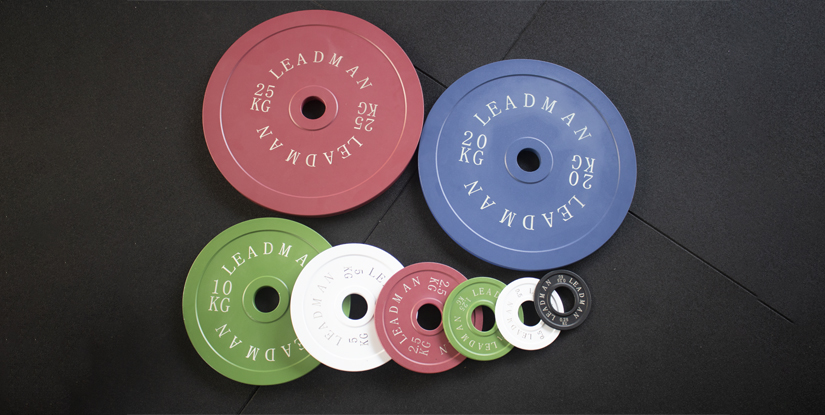
The Hidden Cost of Substandard Polyurethane Impact Resistance
Facility managers often encounter a frustrating cycle where high-use training zones suffer from premature equipment degradation. A common pain point in high-traffic strength conditioning areas is the rapid degradation of bumper plates, specifically when the outer layer begins to crack or delaminate under heavy repetitive impact. This failure is rarely a random occurrence; it is almost always a direct result of selecting materials with inadequate density or incorrect shore hardness for the specific environmental loads of a commercial gym.
When standard rubber or low-grade polyurethane plates are subjected to high-velocity drops, the energy transfer can cause micro-fractures in the material structure. This leads to chipping, which not only ruins the aesthetic of the Pu Bumper Plates but also introduces safety hazards such as loose debris on the lifting platform. To resolve this, operators must shift their procurement focus from simple weight availability to the specific technical properties of the polymer coating. Understanding the mechanical properties of these materials is the first step in preventing the recurring costs of replacement and floor damage.
Material Selection: Evaluating Polyurethane vs. Standard Rubber
Navigating the technical differences between material types is essential for long-term ROI. While rubber is a traditional choice, high-performance polyurethane offers distinct advantages in professional settings, though it requires a more nuanced selection process. The choice between these materials dictates not only the lifespan of the plate but also the maintenance requirements of the surrounding floor and barbell equipment.
Comparison of Material Characteristics
| Feature | Standard Rubber Bumper | High-Grade Polyurethane |
|---|---|---|
| Impact Absorption | High (Dull Thud) | Moderate to High (Controlled) |
| Surface Hardness | Low (Soft/Porous) | High (Consistent/Non-Porous) |
| Odor Profile | Often Strong/Rubberized | Minimal to Negligible |
| Color Retention | Prone to Fading/Chalk Staining | High UV and Chemical Resistance |
| Longevity | Subject to Cracking/Abrasion | High Wear Resistance |
Choosing the right material involves more than just weight; it requires a calculation of the expected frequency of heavy drops and the cleanliness standards of the facility. A common mistake is assuming that 'harder' always means 'better,' whereas the ideal plate provides a balance of density and shock dissipation. Once the material selection is finalized, the next critical phase is ensuring the dimensional accuracy of the plates during installation.
Verifying Precision and Dimensional Tolerances
Even the highest quality polyurethane construction can fail to perform if the dimensional tolerances are inconsistent. For professional lifting, the diameter and thickness of the plates must remain within strict parameters to ensure the barbell remains balanced and the center of gravity is predictable. Discrepancies in plate thickness can lead to uneven weight distribution on the bar, increasing the risk of uneven wear on barbell sleeves.
Tolerance Verification Checklist
- Diameter Consistency: Measure the outer diameter at three different points to ensure variance is within a negligible range.
- Thickness Uniformity: Check that the plate thickness remains constant across the face to prevent bar tilt.
- Center Hole Alignment: Verify that the inner diameter is perfectly concentric to prevent friction issues with the barbell sleeve.
- Weight Deviation: Weigh individual plates to ensure they meet the specified weight class within professional industry standards.
Operators should perform these checks during the initial unboxing and at quarterly intervals. A plate that is slightly off-spec might not be immediately noticeable, but cumulative errors across a full barbell setup can lead to significant mechanical imbalance. Establishing these benchmarks provides the foundation for the next stage: long-term maintenance and surface care.
Related reading:
Maintaining Surface Integrity and Aesthetic Standards
Maintaining the pristine condition of your equipment is not just about aesthetics; it is about preserving the structural integrity of the polyurethane layer. Because polyurethane is a non-porous material, it is significantly easier to clean than rubber, but it is not immune to improper chemical exposure. The wrong cleaning agent can lead to surface clouding or even the softening of the polymer skin over time.
Approved vs. Prohibited Cleaning Methods
| Method Type | Action | Reasoning |
|---|---|---|
| Recommended | Damp Microfiber Cloth | Removes chalk and sweat without chemical stress. |
| Recommended | Mild pH-Neutral Soap | Cleans surface contaminants safely. |
| Prohibited | Abrasive Scrubbers | Can create micro-scratches that trap debris. |
| Prohibited | Solvent-Based Cleaners | Degrades the polymer structure and causes discoloration. |
A common failure mode in commercial facilities is the buildup of chalk and skin oils, which, if left unaddressed, can create a slippery surface on the plate face. By implementing a consistent cleaning protocol, you ensure that the plates remain easy to grip and visually professional. While the surface is easy to maintain, the structural stability of the lifting environment relies heavily on how these plates interact with the floor.
Related reading:
Managing Floor Loads and Impact Dynamics
The interaction between high-density plates and the lifting surface is a critical component of facility longevity. Even though the polyurethane exterior provides a level of protection, the kinetic energy of a dropped barbell is a constant force that must be managed through proper flooring selection. If the floor lacks sufficient shock absorption, the energy will eventually manifest as structural damage to the subfloor or the plates themselves.
Facility designers must consider the 'rebound' factor. High-density plates often have a more predictable drop than standard rubber, but they still require a dedicated lifting platform or high-density rubber mats. Failure to provide adequate damping can lead to 'plate bounce,' which can destabilize a lifter and increase the shock load on the building's structure. When planning a layout, always calculate the total weight of a loaded barbell and the potential impact force to determine the necessary floor shock absorption requirements.
Proper floor management prevents the very problems that lead to premature equipment replacement. With the environment stabilized, the focus shifts to the mechanical components that hold the weight: the barbell and the weight pegs.
Related reading:
Ensuring Barbell and Sleeve Compatibility
A high-performance plate is only as effective as the barbell it sits upon. A frequent issue in professional strength training is the mismatch between the inner diameter of the plate and the barbell sleeve. If the fit is too loose, the plate can rattle excessively, leading to accelerated wear on the barbell's bearings or bushings. Conversely, a fit that is too tight can cause friction that prevents the barbell from rotating smoothly during heavy lifts.
Compatibility Verification Steps
- The Fit Test: Slide the plate onto the barbell; it should move freely but without significant lateral 'slop' or rattling.
- Sleeve Inspection: Check the barbell sleeves for any signs of deformation or scoring caused by plate contact.
- Rotation Check: Ensure the barbell rotates smoothly while loaded, indicating that the plate weight is not interfering with the bearing mechanism.
If you notice the barbell sleeves becoming uneven or 'scored,' it is a sign that the plates may be too tight or the bearing system is failing under the impact load. Regular inspection of this interface prevents expensive barbell repairs. Once the barbell and plates are synchronized, the final step is establishing a long-term replacement and rotation schedule.
Related reading:
Developing a Replacement and Rotation Schedule
Effective facility management requires moving from a reactive 'fix-it-when-it-breaks' mindset to a proactive lifecycle approach. Because high-quality equipment like Pu Bumper Plates is a significant capital investment, knowing exactly when to rotate or replace them is essential for maintaining a professional standard and ensuring user safety.
A structured rotation schedule involves tracking the usage intensity of different zones in your gym. For example, a heavy lifting platform will experience much higher impact cycles than a general strength area. By monitoring the visual and tactile cues of wear—such as surface pitting, thickness loss, or significant color fading—you can plan for capital expenditures well in advance of a total failure.
Replacement Trigger Indicators
- Surface Pitting: Visible indentations that could catch skin or clothing.
- Thickness Loss: A perceptible difference in weight or diameter due to material erosion.
- Odors or Chemical Changes: Any change in the material's scent, which may indicate chemical degradation.
- Structural Cracking: Any visible cracks in the polyurethane skin.
By following these indicators, facility operators can maintain a seamless transition between old and new equipment without disrupting the training environment. This proactive stance ensures that the facility remains a high-performance space for its members.
Achieving Long-Term Operational Excellence
Maximizing the value of your strength equipment requires a holistic understanding of material science, mechanical precision, and environmental control. From the initial selection of high-grade polyurethane to the daily maintenance of the lifting surface, every decision impacts the total cost of ownership. By prioritizing high-quality Pu Bumper Plates and implementing the rigorous inspection and maintenance protocols outlined in this guide, facility managers can ensure their strength zones remain durable, safe, and professional for years to come.