
Optimizing Facility Longevity with Green Bumper Plates
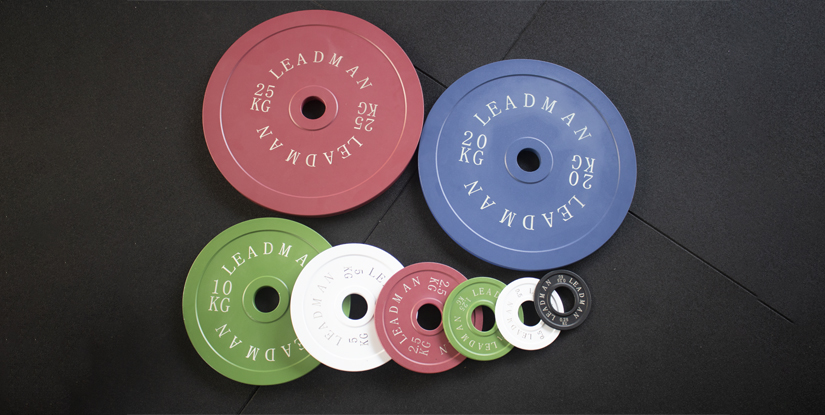
Challenging the Myth of Color-Only Standardization
A common misconception among facility procurement managers is that the color of weight plates, such as the specific hue of Green Bumper Plates, is purely an aesthetic or branding choice. In high-performance commercial environments, color serves as a critical functional indicator. While some assume any green plate meets the same standard, the industry utilizes color coding as a universal language for load identification to prevent dangerous lifting errors. A mismatch between the visual color and the actual calibrated weight can lead to catastrophic training failures or incorrect programming in professional settings.
The reality is that high-quality Green Bumper Plates are manufactured to strict weight-to-thickness ratios. A professional operator must look beyond the pigment and verify the precision of the weight. When a facility lacks a consistent color-coding system, staff and athletes may inadvertently load incorrect weights, leading to equipment misuse. This technical distinction necessitates a deeper understanding of how color and density work together in professional weightlifting gear.
Defining the Role of Color in Weight Identification
In standard Olympic lifting environments, the color green is traditionally reserved for a specific weight class, typically 10kg or 25lbs in certain regional configurations. Relying on color alone without verifying weight precision is a common operational mistake. Facilities should implement a verification protocol to ensure the visual cue matches the physical mass.
Because the color serves as the primary identifier, understanding the physical properties of the material is the necessary next step in ensuring long-term durability.
Material Composition and Impact Resistance
While the visual cue of Green Bumper Plates helps with organization, the true value lies in the molecular density of the rubber used. A frequent pain point for gym owners is premature cracking or "chunking" of the plate edges after heavy drops. This failure usually stems from using low-grade recycled rubber that lacks sufficient elasticity to absorb kinetic energy.
High-grade commercial plates utilize virgin or high-quality vulcanized rubber, which provides a superior balance of density and shock absorption. If a plate lacks the necessary Shore hardness, it will fail to protect both the equipment and the floor. Operators must evaluate the material's ability to return to its original shape after a significant impact.
| Material Property | Low-Grade Recycled Rubber | High-Grade Vulcanized Rubber |
|---|---|---|
| Impact Absorption | Moderate; prone to brittle fractures | High; optimized for repetitive drops |
| Edge Durability | High risk of 'chunking' | Resilient; maintains structural integrity |
| Odor Profile | Strong, persistent chemical scent | Minimal to negligible |
| Surface Texture | Uneven/Rough | Uniform/Smooth for easy cleaning |
Choosing the wrong material density results in higher replacement costs and increased floor damage. Once the material selection is finalized, the operator must focus on the precision of the center hole and the metal ring construction.
Precision Engineering of the Central Hub
A significant issue in professional weightlifting is the "wobble" or uneven weight distribution during a lift. This is rarely a fault of the rubber itself but is often caused by poor construction of the internal metal ring. If the center hole of the Green Bumper Plates is not perfectly concentric with the weight distribution, the barbell will become unbalanced during high-velocity movements.
To verify the quality of the hub, an operator should perform a simple balancing test. A high-quality plate will maintain a consistent center of gravity even when the barbell is moving dynamically. A poorly manufactured plate will cause the bar to oscillate, which increases wear on the barbell sleeves and can lead to athlete injury.
Common Failure Modes in Center Hole Construction
- Concentricity Errors: The metal ring is off-center, causing uneven weight distribution.
- Tolerance Gaps: The hole is either too tight for standard 50mm bars or too loose, leading to excessive rattling.
- Material Fatigue: The interface between the metal ring and the rubber becomes loose over time due to poor bonding.
Identifying these structural nuances ensures that the weight remains stable during use. However, a stable plate is only effective if the installation and the environment are correctly configured.
Related reading:
Installation Standards and Barbell Compatibility
Even with premium Green Bumper Plates, improper installation can lead to equipment failure. A common mistake is attempting to use heavy bumper plates on a barbell with a low load rating or on a bar that is not designed for high-impact use. Bumper plates are designed to be dropped, but the bar must be able to withstand that specific kinetic energy.
The integration between the plate and the bar must be seamless. Operators should ensure that the barbell sleeves are thick enough to accommodate the thickness of the bumper plates without causing excessive friction. If the plates are too thick or the sleeves are too narrow, the barbell's rotation—a critical component of a clean or snatch—will be compromised.
Technical Checklist for Plate and Bar Compatibility
- Verify Sleeve Diameter: Confirm the bar sleeve is exactly 50mm to ensure a snug fit with the plate's central ring.
- Check Barbell Type: Ensure the bar is a dedicated weightlifting bar designed for high-impact drops.
- Assess Weight Distribution: Load the bar and check for any immediate tilt or unevenness in the sleeves.
- Monitor Rotation: Ensure the bar rotates freely even when heavy plates are applied.
Correct compatibility maximizes the lifespan of the equipment. With a successful setup, the focus must now shift to the long-term maintenance required to keep the plates in peak condition.
Related reading:
Routine Maintenance and Surface Inspection
Durically is not a permanent state; it is a result of consistent care. Many facility managers overlook the maintenance of their weightlifting equipment, leading to an accelerated aging process. For Green Bumper Plates, the primary maintenance concern is surface contamination and environmental exposure.
Dust, sweat, and skin oils can accumulate on the surface of the rubber. If left uncleaned, these substances can degrade the surface texture and make the plates difficult to handle. Furthermore, extreme temperature fluctuations can cause the rubber to expand or contract, which may affect the fit on the barbell.
The Inspection Cadence for Commercial Facilities
Operators should implement a tiered inspection schedule to catch issues before they become safety hazards. Relying on visual checks alone is insufficient; physical verification is required.
| Inspection Type | Frequency | What to Look For |
|---|---|---|
| Visual Surface Check | Weekly | Cracks, deep gouges, or color fading. |
| Physical Weight Verification | Quarterly | Discrepancies in mass vs. labeled weight. |
| Hub Integrity Test | Monthly | Looseness in the metal ring or uneven rotation. |
| Full Set Balancing | Bi-Annually | Weight imbalances between different sets of plates. |
Regularly performing these checks ensures the equipment remains a safe asset. While maintenance preserves the plate, the flooring underneath it is equally critical for overall facility safety.
Related reading:
Flooring Integration and Shock Absorption
The relationship between Green Bumper Plates and the gym floor is fundamental to the longevity of the entire facility. A major pain point for gym owners is the cracking of concrete or sub-flooring caused by the impact of heavy drops. While bumper plates are designed to absorb shock, they do not eliminate it entirely; they merely redistribute it.
A common error is placing heavy bumper plates on a standard rubber mat that is too thin to provide adequate deceleration. For professional lifting zones, the flooring must have a specific thickness and density to complement the kinetic energy of the plates. Without proper floor-load management, the vibration from the plates can travel through the building's structure, potentially causing damage to adjacent rooms or structural elements.
Optimizing the Lifting Zone Environment
- Determine Floor Thickness: High-impact zones typically require at least 20mm to 50mm of high-density rubber flooring.
- Analyze Sub-floor Resilience: Ensure the concrete slab is capable of handling the dynamic load of heavy lifting.
- Monitor Vibration Levels: If vibration is excessive, additional sub-floor damping layers may be required.
Proper flooring selection mitigates the risk of impact-related damage. As the infrastructure settles, the final step is understanding how to manage the total load of the equipment in a professional setting.
Related reading:
Load Management and Facility Scaling
As a facility grows, the volume of heavy lifting increases, placing higher demands on the equipment and the staff. Managing the density and volume of Green Bumper Plates becomes a logistical challenge during facility scaling. A common mistake is ordering disparate sets of plates that, while all being green, have different thicknesses or weight tolerances.
To maintain a professional standard, facilities should aim for a standardized procurement strategy. This means ensuring that all plates within a specific weight class are sourced from the same production batch or meet identical manufacturing specifications. This consistency is vital for maintaining the balance of the barbells and the predictability of the training environment.
Strategies for Equipment Scaling
When adding more weight to the facility, consider the following:
- Standardize the Color Coding: Ensure the green weight class is consistent across all new purchases to prevent confusion.
- Audit Existing Inventory: Before adding new plates, check the wear and tear of the current stock to ensure compatibility.
- Plan for Load Density: As more heavy plates are added, re-evaluate the flooring and structural load capacities.
Successful scaling requires both foresight and rigorous standards. These technical requirements form the foundation of a high-performance training environment.
Related reading:
Final Verification of Equipment Performance
The final stage of any procurement or operational cycle is the verification of the equipment's performance against the original intent. For a facility manager, this means confirming that the Green Bumper Plates are performing as expected in terms of weight precision, impact absorption, and durability. Performance verification is not a one-time event but a continuous part of the operational workflow.
To verify correct performance, operators should use a calibrated scale to check the weight of random plates from the set. Furthermore, monitoring the rate of surface wear and the integrity of the center rings during heavy usage sessions provides the most practical data on the equipment's long-term viability. If the plates begin to show signs of uneven wear or excessive bounce, it is a signal that the material density or the environmental setup requires adjustment.
By maintaining these high standards of verification, a facility ensures that its equipment remains a reliable, safe, and high-performing asset for its users.