
Olympic and Powerlifting Applications of Custom Weightlifting Platforms
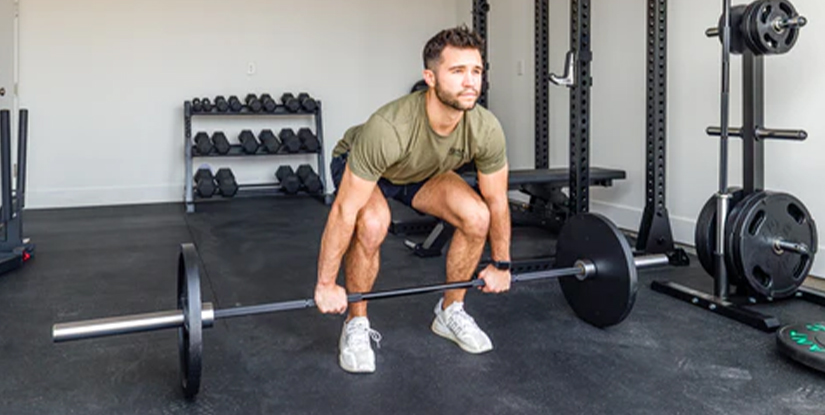
Standard rubber flooring often fails under the high-impact, high-load demands of professional strength training. For facility operators, the primary pain point is not just the initial purchase, but the long-term degradation of surface integrity and the structural instability caused by inadequate dampening. When an Olympic lifter drops a heavy barbell, the kinetic energy must be managed through a specialized system, not just a thick mat. Without the correct application of custom platforms, facilities face premature floor damage, uneven weight distribution, and increased risk of athlete injury due to micro-instability. This guide explores the technical nuances of high-performance platforms to ensure your investment meets professional standards.
Identifying Structural Deficiencies in Standard Lifting Areas
Before investing in custom solutions, one must understand why generic setups fail. The core problem stems from the lack of integrated shock absorption and the mismatch between surface hardness and load requirements. A common mistake is assuming that any thick rubber matting can serve as a lifting platform. In reality, a professional Olympic platform requires a three-tier system: a shock-absorbent base, a stable central lifting area, and high-impact bumper zones.
A failure to differentiate these layers leads to several operational issues. For instance, if the center area is too soft, the athlete's stability is compromised during the heavy pull; if the outer edges are too hard, the barbell's kinetic energy will shatter the material or damage the subfloor. Understanding these mechanical failures is the first step in selecting a platform that survives high-volume training. Once the structural requirements are clear, the focus must shift to the specific material density required for different disciplines.
Material Selection Criteria for Olympic and Powerlifting Applications
Material choice is the single most influential factor in the longevity and performance of a custom platform. Operators must distinguish between the requirements of a powerlifter (stability and hardness) and an Olympic weightlifter (shock absorption and energy dissipation). This distinction determines the long-term ROI of the equipment.
The following table outlines the typical material parameters required for different specialized uses:
| Feature Requirement | Olympic Weightlifting Focus | Powerlifting Focus | Primary Failure Mode if Incorrectly Chosen |
|---|---|---|---|
| Central Platform Surface | Medium-Hard Wood/Composite (Slight flex) | High-Density Hardwood/High-Density Rubber | Excessive wobbling or unresponsiveness |
| Outer Bumper Zone | High-Impact Vulcanized Rubber | High-Density Compression Rubber | Cracking or uneven wear patterns |
| Energy Dissipation | High (to prevent barbell bounce) | Medium (to maintain stability) | Subfloor delamination or noise issues |
| Surface Friction | High (for foot placement) | Very High (non-slip under heavy load) | Slippage during heavy lifts |
Selecting the wrong density often leads to the 'bounce effect,' where the barbell rebounds unpredictably after a drop. This is a critical safety hazard. By verifying the material density through supplier specification sheets, operators can avoid these kinetic instabilities. This selection process leads directly to the crucial question of how these components are integrated into a cohesive assembly.
Explore the complete technical specifications:
The Role of Subfloor Engineering in Platform Stability
Even the highest quality platform will fail if the subfloor is not prepared correctly. Many facility managers overlook the fact that a custom platform is a modular system, not a single piece of equipment. The subfloor acts as the foundation, and any unevenness here will be magnified by the high loads of powerlifting.
Common Subfloor Faults and Fixes
- Problem: Uneven concrete subfloor causing platform tilt.
- Cause: Natural settling of the building or improper pouring techniques.
- Fix: Use of high-density leveling mats or precision shimming before platform installation.
- Verification: Use a long straightedge and a level across the entire footprint before mounting the platform.
Without a level foundation, the specialized layers of your platform—from the shock-absorbing base to the lifting surface—will undergo uneven stress, leading to premature seam separation. With the foundation set, the next critical step is the precision of the platform's construction and assembly.
Explore the complete technical specifications:
Precision Assembly and Tolerance Requirements
A professional-grade platform must be assembled with tight tolerances to prevent the components from shifting during intense training. If the central lifting wood/composite is not perfectly flush with the surrounding rubber, it creates a trip hazard and a point of mechanical failure. This is where many 'budget' platforms fail the durability test.
When inspecting or ordering custom platforms, you must look for these technical indicators:
- Flush Seams: The transition between the lifting surface and the bumper zone must be seamless to prevent heel trips.
- Compression Uniformity: The rubber sections should have consistent density to ensure even energy absorption.
- Modular Integrity: If the platform is composed of multiple pieces, the joints must be designed to lock or be adhesive-bonded to prevent shifting.
Operators should conduct a 'visual level check' by running a hand over the seams; any noticeable lip or gap indicates poor assembly quality. Once the physical assembly is verified, it is necessary to understand the maintenance protocols required to sustain this level of performance.
Explore the complete technical specifications:
Routine Inspection and Maintenance Schedules
Maintenance for specialized lifting platforms is often neglected in favor of regular barbell cleaning, yet a lack of oversight leads to material fatigue. High-impact usage causes micro-cracks and compression sets that, if left unchecked, can compromise the entire installation.
The following checklist should be used by facility managers to ensure long-term reliability:
| Inspection Item | Frequency | Action if Defect Found |
|---|---|---|
| Surface Friction Check | Monthly | Clean with specialized rubber cleaner; replace if worn smooth. |
| Seam Integrity | Quarterly | Re-apply industrial adhesive or mechanical fasteners if gaps appear. |
| Bumper Density Test | Bi-Annually | Evaluate for 'dead spots' where rubber has lost resilience. |
| Subfloor Level Verification | Annually | Re-level the platform using precision shims if tilting occurs. |
Regularly verifying these parameters ensures that the platform remains a safe tool for high-level athletes. However, even with perfect maintenance, certain operational mistakes can drastically reduce the platform's lifespan. Addressing these behaviors is essential for facility longevity.
Explore the complete technical specifications:
Mitigating Operator Errors and Misuse Patterns
Even the most robust Olympic and Powerlifting Applications of Custom Weightlifting Platforms can be ruined by improper use. Most damage is not caused by the weight itself, but by the way the weight interacts with the surface. Identifying these behavioral patterns allows you to coach your athletes and protect your assets.
Typical Misuse Scenarios
- Improper Barbell Drop Angle: Dropping the bar with a heavy outward tilt can shear the edges of the rubber bumper zones.
- Drag Loading: Dragging heavy plates or barbells across the central lifting surface instead of lifting them can irreparably scratch high-density wood or composite.
- Environmental Neglect: Allowing sweat or moisture to sit on the platform can degrade the adhesive bonds between the modular sections.
To verify that your athletes are using the platform correctly, observe their drop technique. A clean, vertical drop is the standard for high-level training. By implementing these operational guidelines, you can prolong the life of your equipment. As the industry evolves, staying ahead of these maintenance and usability standards will be the differentiator for high-end training facilities.
Future-Proofing Your Lifting Environment
The demand for high-performance training spaces is increasing, and the technology behind custom lifting platforms is also advancing. From integrated vibration dampening to smarter material composites, the industry is moving toward even more specialized solutions. To future-proof your facility, you must look beyond the immediate purchase and consider the long-term scalability of your lifting areas.
When planning for the future, consider the modularity of your platform systems. Can you expand the area easily? Is the subfloor prepared for even heavier, specialized equipment? By integrating these considerations into your current procurement and operation strategy, you ensure that your facility remains a premier destination for professional athletes for years to come.