
Matching Weight Lifting Equipment to Serious Lifters: A Technical Procurement Guide
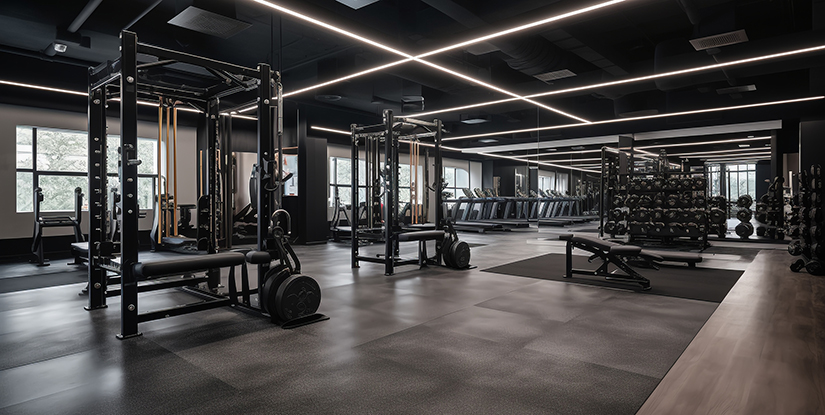
In the professional strength training industry, the most common failure point in facility management is not the physical breakdown of a single machine, but rather the structural mismatch between the equipment's technical specifications and the high-intensity demands of the user base. When facility operators deploy equipment designed for general fitness enthusiasts to a population of competitive powerlifters or weightlifters, the result is a rapid acceleration of mechanical fatigue, increased maintenance costs, and a significant risk of injury. Understanding how to bridge this gap through rigorous technical selection is essential for operational longevity.
The Mechanical Divergence Between General and Performance Training
Before addressing specific procurement criteria, it is necessary to understand why traditional commercial-grade equipment often fails under the rigors of high-intensity sessions. The divergence stems from two primary factors: load density and impulse mechanics. Standard commercial equipment is often optimized for high-repetition, low-impact movements, whereas serious lifters generate extreme peak forces and sustained eccentric loads.
The primary cause of equipment failure in performance environments is the underestimation of dynamic loading. A barbell might be rated for 500kg of static weight, but the impact of a heavy clean and jerk or a heavy deadlift drop creates a much higher instantaneous force. If the equipment's damping and structural rigidity cannot accommodate these impulses, structural fatigue sets in prematurely.
To avoid this, operators must evaluate the distinction between static load capacity and dynamic load tolerance. The following table outlines the fundamental differences that drive the need for specialized equipment selection.
| Metric | General Fitness Equipment | Performance/Serious Lifter Equipment |
| Primary Stressor | Consistent, moderate weight shifts | High-impact, high-impulse events |
| Bearing/Bushings | Standard ball bearings | High-grade needle bearings or specialized bushings |
| Material Grade | Standard mild steel | High-tensile, reinforced structural steel |
| Tolerance Level | Moderate (room for slight vibration) | Extreme (tight tolerances for precision) |
| Expected Lifespan | Based on frequent low-impact cycles | Based on extreme load/impact resilience |
Identifying these fundamental mechanical differences allows a buyer to move from a general purchasing mindset to a technical procurement strategy, which naturally leads to the critical evaluation of weight-bearing components.
Evaluating Barbell Specifications and Load Integrity
Moving from the general mechanical differences to specific hardware, the barbell serves as the primary interface between the lifter and the load. For a serious athlete, the barbell is not just a weight-bearing rod; it is a precision tool that requires specific knurling, whip, and bearing characteristics. A common mistake in procurement is selecting bars based on aesthetic appeal rather than technical performance metrics.
When matching weight lifting equipment to serious lifters, the distinction between a standard Olympic bar and a specialized competition bar is significant. A standard bar may lack the necessary 'whip' or the specific bearing smoothness required for technical lifts like the snatch or clean and jerk. If the bearings are too slow, the rotational inertia of the plates will transfer directly into the lifter's wrists, increasing the risk of injury during rapid movements.
Critical Barbell Decision Criteria
- Knurling Aggression: A higher grade of knurling is required for heavy pulls to ensure a secure grip, but it must be balanced to prevent excessive skin abrasion during high-repetition technical work.
- Bearing Type: For weightlifting-specific bars, needle bearings are preferred over bushings to facilitate rapid rotation. For powerlifting-specific bars, high-quality bushings provide the stability required for heavy bench and squat movements.
- Tensile Strength: Ensure the bar has a high minimum tensile strength rating to prevent permanent deformation under extreme loads.
Operators must verify these specs against the actual training modalities of their facility. Failing to do so results in a high rate of barbell replacement and user dissatisfaction. Once the bar is selected, the focus must shift to the bearing systems of the machines and plates themselves.
Explore the complete technical specifications:
Precision in Plate and Sleeve Interfaces
A high-quality barbell is only as effective as the plates and sleeves that interact with it. In high-performance environments, the interface between the barbell sleeve and the weight plate is a frequent site of mechanical failure. This is often caused by poor tolerances or insufficient durability in the plate-to-sleeve fit.
The mismatch occurs when standard rubberized bumper plates, which are designed to absorb impact, are used in a way that exceeds their structural capacity, or when the sleeve of the barbell cannot handle the vibration frequency of the weights. For serious lifters, the goal is a seamless transition of force. If the plates are unevenly weighted or the fit is too loose, the resulting imbalance can lead to catastrophic loss of control during a lift.
Plate Selection and Maintenance Checklist
To ensure operational stability, use the following checklist when inspecting and selecting plates for high-intensity use:
- Calibration Accuracy: Verify that plates fall within a narrow tolerance range (typically +/- 1% or better for competition-grade gear) to prevent unexpected loading shifts.
- Impact Resilience: Confirm that bumper plates are composed of high-density virgin rubber rather than recycled materials to prevent premature cracking and deformation.
- Sleeve Fitment: Test the rotation of the barbell sleeve with the plates loaded to ensure the weight does not bind or create jarring vibrations.
- Surface Texture: Ensure the plate surface provides sufficient friction for standard barbell knurling without excessive wear on the equipment.
Reliable plates ensure that the forces generated by the athlete are captured and transmitted predictably, which leads us to the structural integrity of the heavy-duty racks and platforms required to support them.
Explore the complete technical specifications:
Structural Requirements for High-Capacity Racks and Platforms
The weight-bearing capacity of a barbell and plate system is meaningless if the surrounding architecture—the racks and platforms—cannot withstand the total weight and the dynamic energy. A common failure mode in commercial gyms is the use of uprights that are too thin, leading to wobbling or structural collapse during heavy squats or presses.
Serious lifters often utilize specialized equipment like heavy-duty squat racks, power cages, and deadlift platforms. These require much higher gauge steel and more robust adjustment mechanisms. For example, a standard weight bench may look sturdy, but it may lack the lateral stability required when a lifter is performing a heavy bench press under significant fatigue. This instability is often a cause of accidental tip-overs or mechanical shearing of adjustment pins.
| Component | Standard Commercial Spec | High-Performance Spec |
| Rack Upright Gauge | 11-gauge or 14-gauge steel | 7-gauge or 10-gauge structural steel |
| Adjustment Pins | Standard diameter pins | Oversized, tapered, or locking-pin systems |
| Platform Composition | Thin foam/rubber mats | Multi-layered high-density wood and rubber |
| Bolting/Fastening | Standard hex bolts | High-tensile steel bolts with locking washers |
When selecting racks, prioritize the thickness of the steel and the quality of the welding. High-performance environments require a level of rigidity that prevents even minor vibrations from propagating through the system. Proper structural selection provides the foundation for the maintenance and safety protocols discussed in the next section.
Explore the complete technical specifications:
Maintenance Protocols for High-Intensity Equipment
Selecting the right equipment is only the first half of the equation; maintaining that equipment under heavy usage is what ensures long-term ROI. High-intensity training causes a much faster rate of wear on moving parts, such as bearings, bushings, and sliding mechanisms. Neglecting this can turn a high-quality investment into a liability in a very short period.
The most common mistake in maintenance is the 'fix-on-failure' approach. In a performance facility, if you wait until a machine produces a grinding sound to act, the damage has likely already propagated into the main bearings or structural shafts. A proactive, preventative approach is required to manage the higher rate of mechanical attrition.
Operator Maintenance and Inspection Schedule
- Daily Visual Check: Inspect for obvious signs of wear, such as frayed cables, loose bolts, or cracked rubber.
- Weekly Mechanical Test: Operate all rotating parts (barbell sleeves, machine pulleys) to check for smoothness, resistance, or unusual noise.
- Monthly Structural Audit: Perform a deep-dive inspection of all contact points, including the torque of bolts in racks, the integrity of upholstery, and the tension of cable systems.
- Quarterly Lubrication: Apply specialized lubricants to high-friction zones (bearings, guides) using only manufacturer-approved non-residue oils.
Successful maintenance requires documentation. If a technician identifies a slight wobble in a rack upright, it must be logged and addressed before it becomes a safety violation. Effective maintenance schedules directly impact the reliability of the equipment, which is the next critical factor to consider in the procurement cycle.
Cost-Benefit Analysis of Performance-Grade Procurement
A significant psychological barrier for many facility operators is the higher upfront cost of performance-grade equipment compared to standard commercial models. However, viewing this solely through an initial capital expenditure lens is a mistake. A professional approach requires calculating the total cost of ownership (TCO) over a 3-to-5-year lifecycle.
The 'cheaper' option often results in higher long-term costs due to frequent replacements, higher labor costs for repairs, and potential liability issues. For a facility catering to serious lifters, the cost of a single equipment failure—whether in terms of user injury or damaged reputation—can far exceed the initial savings of a low-tier procurement. When matching weight lifting equipment to serious lifters, the goal is to optimize for durability and technical precision.
Consider the following comparison of total cost implications:
- Standard Equipment: Low initial cost + High frequency of replacement + High maintenance labor + High risk of downtime.
- Performance Equipment: High initial cost + Low frequency of replacement + Scheduled preventative maintenance + High operational reliability.
The Strategic Advantage of Precision Procurement
Ultimately, investing in the correct technical specifications ensures that your facility is not merely a place for physical activity, but a reliable laboratory for human performance. While the procurement process for specialized equipment is more complex, the technical data provided by high-performance manufacturers allows for a controlled, predictable environment.
A facility that prioritizes the mechanical integrity of its bars, plates, and racks builds a culture of trust with its most dedicated members. This trust is the bedrock of a premium fitness environment, ensuring that the focus remains on the athlete's progress rather than the equipment's limitations. By treating procurement as a technical discipline rather than a shopping exercise, operators can secure long-term stability and professional standing.