
High-Performance Hi Temp Rubber Bumper Plates: A Technical Selection and Maintenance Guide
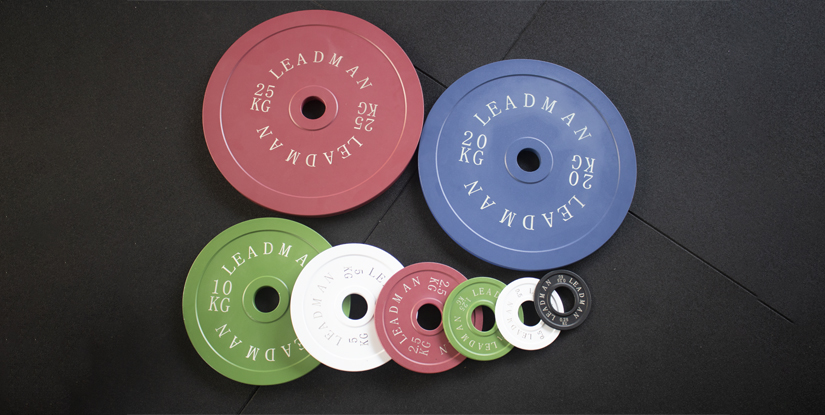
Facility managers and procurement specialists often encounter a frustrating phenomenon in high-intensity training environments: the premature degradation of floor protection and weight equipment due to thermal exposure. Standard rubber compounds frequently succumb to thermal softening or irreversible cracking when exposed to elevated ambient temperatures or localized heat from heavy machinery and high-traffic zones. This guide addresses the technical specifications and operational requirements of Hi Temp Rubber Bumper Plates, a specialized solution designed to maintain structural integrity in challenging thermal environments. Understanding the material science behind these components is the first step in preventing equipment failure and ensuring long-term facility safety.
Identifying Thermal Degradation in Standard Bumper Plates
Before implementing a specialized solution, it is vital to understand why standard equipment fails in high-heat scenarios. Most commercial bumper plates utilize a standard EPDM or SBR rubber blend that is optimized for ambient room temperatures. However, when these materials encounter sustained heat—whether from poorly ventilated industrial-adjacent gyms or heavy mechanical heating systems—the molecular bonds begin to destabilize.
The primary failure mode is thermal softening, where the Shore hardness of the plate drops significantly, leading to excessive deformation upon impact. This not only ruins the plate's shape but also reduces its ability to protect the subfloor. A second common issue is outgassing, where the rubber releases volatile organic compounds (VOCs) as it heats, creating a distinct chemical odor and potentially degrading the air quality of the facility. By identifying these early warning signs, operators can transition from reactive replacement to proactive material selection.
Common Indicators of Thermal Stress
- Deformation: Permanent rounding of the plate edges after impact.
- Surface Tackiness: A feeling of stickiness on the plate surface during high-temperature periods.
- Odor Emission: Noticeable chemical scents that appear when the facility reaches peak temperature.
- Hardness Variance: A significant change in the "bounce" consistency during different times of the day.
Once the limitations of standard rubber are understood, the focus shifts toward the specific metallurgical and polymer requirements of high-temperature alternatives.
Material Composition and Thermal Tolerance Thresholds
Transitioning to Hi Temp Rubber Bumper Plates requires a deeper look at the polymer chemistry involved. Unlike standard plates, high-temperature variants are engineered with specialized heat-stabilizing additives that prevent the breakdown of the polymer chain. This specialized composition ensures that the plate maintains its density and impact resistance regardless of the ambient environment.
When evaluating these materials, procurement managers should look for specific durability markers. The following table outlines the technical differences between standard rubber and high-temperature engineered rubber to assist in your selection process.
| Feature | Standard Commercial Bumper | Hi Temp Rubber Bumper Plates |
|---|---|---|
| Thermal Stability | Degrades above 35°C (95°F) | Maintains integrity up to 60°C+ (140°F+) |
| Shore Hardness | Fluctuates with temperature | Highly consistent across temperature swings |
| VOC Profile | Potential for high outgassing | Low outgassing, low-odor formulation |
| Impact Recovery | Delayed recovery in heat | Immediate elastic recovery |
Selecting the correct material grade is only half the battle; the effectiveness of these plates also depends on how they are integrated into your existing training zones.
Related reading:
Optimizing Installation and Floor Loading Parameters
Having selected a high-grade material, the next logical step is the physical integration of the plates into the facility. Even the most advanced Hi Temp Rubber Bumper Plates can cause structural issues if the underlying support system is insufficient. It is a common mistake to assume that high-temperature rubber is a "universal fix" for all floor-load concerns.
Proper installation requires a synchronized approach between the weight plate and the gym flooring. If the rubber plate is too hard for the subfloor, the energy transfer can damage the foundation; if the flooring is too soft, the plate may sink. Operators must verify that the combined density of the plate and the floor creates a stable, high-impact environment.
Verification Checklist for Installation
- Subfloor Inspection: Ensure the concrete or subfloor is level and free of cracks that could be exacerbated by thermal expansion.
- Load Bearing Capacity: Confirm that the facility's floor-load rating can handle the repetitive dynamic loads of heavy dropped weights.
- Expansion Gaps: Leave minimal space between flooring mats to allow for natural thermal expansion of the entire system.
- Plate Centering: Ensure plates sit flat on the floor without an uneven tilt, which can indicate uneven thermal swelling.
A successful installation provides the foundation for a routine that keeps the equipment in peak condition through regular inspection.
Related reading:
Maintenance Protocols for High-Heat Environments
Effective maintenance of high-performance gear moves beyond simple cleaning; it involves monitoring the material's reaction to its environment. While Hi Temp Rubber Bumper Plates are designed for durability, they are not immune to the physical wear of heavy commercial usage. Regular maintenance ensures that the specialized polymer properties do not degrade due to improper handling.
One frequent mistake among facility operators is using petroleum-based cleaners on high-temperature rubber. Such chemicals can leach the essential additives from the rubber, effectively "stripping" its thermal resistance. Always use water-based, pH-neutral cleaners to maintain the surface integrity of the plates.
Recommended Maintenance Schedule
| Interval | Task | Verification Method |
|---|---|---|
| Daily | Surface Wipe-down | Check for residue or sticky buildup. |
| Weekly | Visual Impact Check | Inspect for surface pitting or edge rounding. |
| Monthly | Hardness Testing | Perform a "bounce test" to ensure consistency. |
| Quarterly | Thickness Measurement | Use calipers to check for dimensional changes. |
Consistency in these checks allows operators to detect subtle changes in material behavior before they lead to a total failure.
Related reading:
Troubleshooting Common Performance Deviations
Even with a rigorous maintenance program, operators may encounter performance deviations. Troubleshooting these issues requires a systematic approach: moving from the immediate symptom to the potential cause, and finally to the actionable fix. When a plate fails to perform as expected, it is usually a symptom of an underlying environmental or mechanical mismatch.
For instance, if a plate begins to exhibit a "flat spot" despite regular use, the cause is rarely the rubber itself, but rather an insufficient recovery time in a high-heat zone. The plate needs time to return to its original state. This leads us to the final considerations of long-term procurement and lifecycle management.
Standard Troubleshooting Scenarios
Problem: The plate feels significantly softer in the afternoon than in the morning.
Cause: Thermal accumulation in the training zone is exceeding the plate's stabilized threshold.
Fix: Increase ventilation or adjust the HVAC settings to lower the ambient temperature in the weight area.
Problem: Small cracks appearing on the perimeter of the plate.
Cause: Improper storage or exposure to non-compatible cleaning chemicals.
Fix: Immediately cease chemical use and store plates in a temperature-controlled, dry environment.
Understanding these technical nuances allows a professional facility to maintain a high standard of safety and equipment longevity.
Related reading:
Procurement Strategy: Verifying Technical Claims
The final stage of the process is the procurement of Hi Temp Rubber Bumper Plates. Because the market is flooded with generic terms, buyers must be able to verify the technical claims made by suppliers. Relying on marketing terminology alone can lead to the acquisition of standard rubber that is simply labeled as "high temp" without the necessary molecular additives.
To avoid this, professional buyers should request technical data sheets (TDS) and specifically ask for the Shore hardness range across a temperature gradient. If a supplier cannot provide a specific range of stability, the product may not meet commercial standards for high-heat environments. A robust procurement strategy ensures that you are investing in a solution that provides long-term ROI rather than a short-term fix.
Key Questions for Suppliers
- What is the maximum operating temperature before the Shore hardness deviates by more than 5 points?
- Does the rubber formulation include specific UV and thermal stabilizers to prevent outgassing?
- What are the recommended cleaning agents to avoid degrading the specialized polymer?
- Can you provide documentation regarding the material's impact recovery rate under high-load/high-heat conditions?
By applying these rigorous standards to your selection process, you ensure your facility is equipped with gear capable of withstanding the most demanding operational environments.