
Using a Gym Equipment Selection Guide to Mitigate Procurement Risk
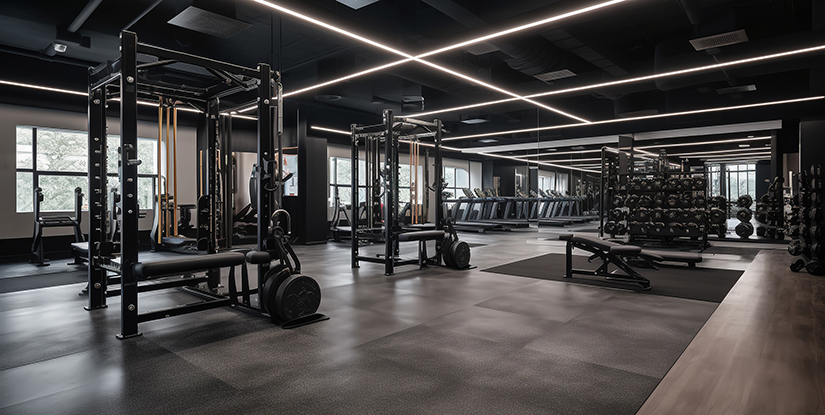
The Cost of Misaligned Procurement: Why Standardized Guides Matter
Procurement departments and facility managers often encounter a recurring failure mode: the acquisition of high-spec hardware that fails to meet the actual kinetic demands of the user base. This misalignment typically stems from a lack of technical documentation during the sourcing phase. When an operator relies solely on marketing collateral rather than a technical selection guide, they risk investing in equipment with insufficient structural fatigue resistance or incompatible ergonomic profiles. This guide provides the technical framework necessary to navigate these complexities, ensuring that every capital expenditure is backed by verifiable engineering standards rather than aesthetic appeal.
Identifying the correct load-bearing capacity and mechanical tolerances is the first step in avoiding long-term depreciation. Once the fundamental requirement of mechanical suitability is established, the focus must shift toward the material composition and manufacturing standards that dictate durability.
Evaluating Material Integrity and Surface Finish Standards
A common error in gym equipment selection is overlooking the metallurgical and coating specifications. A piece of equipment might appear robust, but without a clear understanding of the steel grade or the powder coating thickness, its lifespan in a high-humidity or high-use environment remains a gamble. High-quality selection guides should differentiate between various grades of carbon steel and the chemical resistance of the finish.
Material Density and Structural Composition
Operators should verify the gauge of the steel used in the frame construction. For example, commercial-grade strength training racks often require thicker gauge steel than residential alternatives to prevent structural deflection under heavy loads. A selection guide helps identify these disparities by focusing on the weight-to-strength ratio and the welding integrity of the joints.
Surface Treatment and Corrosion Resistance
Environmental factors, such as perspiration acidity and ambient humidity, can rapidly degrade inferior coatings. The following table illustrates the typical differences in surface treatments found in various equipment tiers:
| Feature | Standard Grade | Commercial/Industrial Grade | Critical Requirement |
|---|---|---|---|
| Steel Gauge | 14-16 Gauge | 11-12 Gauge | High-load structural stability |
| Coating Type | Basic Paint | Electrostatic Powder Coating | Abrasion and moisture resistance |
| Joint Execution | Spot Welding | Continuous/Full-Penetration Weld | Fatigue resistance at stress points |
| Rust Protection | None/Minimal | Zinc Primer/Chromate Conversion | Longevity in high-humidity zones |
By auditing these technical specifications, a buyer can move beyond visual assessment to a quantifiable measure of quality. However, material strength is only one variable; the way the machine moves is equally critical to user safety and long-term mechanical reliability.
Analyzing Kinematics and Motion Smoothness
Even the most durable frame becomes a liability if the moving parts—pulleys, bearings, and cables—fail to provide a consistent path of motion. A primary pain point for facility operators is the 'stuttering' or 'jerky' movement observed in selectorized machines, which often leads to user injury or increased wear on the internal components. This issue is usually caused by low-quality bearing housings or insufficient lubrication channels.
The Role of Bearing Precision
When using a gym equipment selection guide, look for specifications regarding the bearing type. Ball bearings or roller bearings are standard in high-end equipment, whereas bushings are often relegated to lower-tier models. The guide should detail the resistance levels and the frequency of mechanical interference expected during high-velocity movements.
Cable and Pulley System Reliability
Cables are a frequent point of failure in strength machines. A technical guide will help you distinguish between nylon-coated steel cables and high-tensile aircraft cables. The diameter and the sheath material are critical for preventing fraying. Operators should verify if the pulleys are made of nylon or aluminum, as aluminum pulleys generally offer better resistance to heat and friction-induced wear over time.
Understanding these mechanical nuances ensures that the equipment functions predictably throughout its lifecycle. Once the movement mechanics are understood, the focus must move toward the technical specifications of the user interfaces and adjustment points.
Explore the complete technical specifications:
Best Commercial Gym Equipment Brands | Professional Selection Guide
Ergonomic Verification and Adjustment Range Standards
A selection guide must do more than list machine types; it must define the technical boundaries of human interaction. The most common mistake in procurement is selecting equipment with a limited adjustment range that excludes certain body types, thereby reducing the facility's utility and accessibility. This is particularly prevalent in selectorized strength equipment where seat height and lever angles are fixed or limited.
Defining Adjustment Tolerance and Versatility
A professional-grade guide will provide the range of motion (ROM) specifications for various adjustments. For instance, an adjustable bench should have a precise inclination range, and a seated row machine should offer a wide range of seat-to-footplate positions. The goal is to ensure the equipment accommodates the 5th to 95th percentile of the target population.
Safety-Critical Adjustment Mechanisms
The mechanism used to lock an adjustment into place is a high-risk component. Technical documentation should specify whether adjustments are made via spring-loaded pins, heavy-duty knobs, or hydraulic systems. A common failure mode is the gradual loosening of these pins due to vibration and repeated use, which can lead to sudden, unsafe shifts in position during a set.
| Adjustment Component | Low-Tier Specification | High-Tier Specification | Verification Method |
|---|---|---|---|
| Pin Engagement | Single-point friction pin | Deep-seated tapered pin | Check for play/wobble in locked position |
| Resistance Control | Manual dial | Magnetic/Electronic resistance | Observe smoothness of resistance transition |
| Seat Padding | High-density foam | Multi-layer dual-density foam | Test for compression recovery speed |
Ensuring these ergonomic parameters are met minimizes the risk of user error and enhances the overall experience. However, meeting these specs is only successful if the installation and the surrounding environment are also strictly controlled.
Explore the complete technical specifications:
Facility Layout and Installation Requirements
A significant oversight in the procurement process is failing to account for the physical footprint and the mechanical installation requirements. A highly technical selection guide will provide the 'total footprint'—not just the dimensions of the machine itself, but the required clearance for safe operation. Ignoring these spatial constraints leads to overcrowding and increased collision risks.
Calculating Effective Footprint and Clearance
When planning a facility layout, the 'effective footprint' includes the machine's dimensions plus the necessary distance for the user to move, lift, and step away safely. For example, a treadmill requires significant rear clearance in case of a fall, and a barbell area requires a radius that accounts for the full length of the bar plus weight plates.
Electrical and Structural Load Constraints
Modern gym facilities often include high-power electronic equipment, such as smart treadmills or digital strength trainers. These require specific electrical configurations (dedicated circuits, voltage stability) to avoid mid-operation shutdowns. Furthermore, the flooring must be rated to handle the static and dynamic loads produced by the equipment. A selection guide should help you match the equipment's weight and impact force with your facility's structural capacity.
Correct spatial and electrical planning prevents costly retrofitting and operational downtime. With the physical installation parameters settled, the final phase of the process is establishing a rigorous maintenance and inspection routine.
Explore the complete technical specifications:
Designing a Preventative Maintenance and Inspection Protocol
The longevity of gym equipment is directly proportional to the rigor of the maintenance protocols established after installation. A technical selection guide should serve as the foundation for your maintenance manual. The primary cause of equipment failure is not 'age' but the accumulation of unaddressed wear in high-friction areas. Without a structured inspection cadence, small issues like a loose bolt or a dry bearing will inevitably escalate into catastrophic mechanical failures.
Daily vs. Monthly Inspection Checklists
Operators must distinguish between visual inspections and mechanical testing. A daily check might involve looking for obvious cable fraying or loose bolts, while a monthly deep-dive involves measuring tension, checking lubricant levels, and testing the electrical safety of motorized units. Use the following checklist as a baseline for high-traffic areas:
- Visual: Check for rust on joints, upholstery tears, and cable sheath integrity.
- Mechanical: Test the smoothness of the range of motion and the engagement of all adjustment pins.
- Electrical: Verify the stability of power connections and the responsiveness of digital interfaces.
- Structural: Inspect weld points for hairline cracks and test the stability of the frame under load.
Troubleshooting Common Mechanical Failures
When a machine begins to perform sub-optimally, the cause can often be diagnosed through systematic isolation. If a cable machine feels 'heavy' or 'stiff,' the issue is likely lubrication depletion or bearing friction. If there is a 'clunking' sound during movement, it is often a misalignment in the pulley or a loose mounting bolt. Identifying these signs early allows for a simple fix before a component replacement becomes necessary.
Optimizing Lifecycle ROI through Strategic Sourcing
The final pillar of a successful procurement strategy is the transition from short-term cost savings to long-term Total Cost of Ownership (TCO) optimization. A common mistake among inexperienced buyers is selecting the lowest initial bid, which often results in high maintenance costs and frequent replacements. A robust selection guide helps you calculate the expected utility life of each asset class.
Evaluating Asset Lifecycle and Depreciation
To truly mitigate risk, one must compare the initial purchase price against the projected lifespan and maintenance frequency. For instance, a piece of equipment with a lower upfront cost but a highly frequent required maintenance schedule (such as poorly shielded electronic components or low-grade cables) will eventually exceed the cost of a premium alternative. A selection guide should include variables for calculating the mean time between failures (MTBF) for critical components.
Developing a Reinvestment Schedule
Rather than reacting to equipment failure, a structured guide allows for a proactive reinvestment cycle. This involves setting specific triggers for replacement based on either chronological age or usage cycles (e.g., total weight lifted or total hours of motor operation). By setting these parameters during the initial procurement phase, a facility manager can ensure a seamless transition between current inventory and next-generation hardware without interrupting facility operations.
By integrating these technical standards into your purchasing and operational workflows, you ensure that your equipment is a durable asset rather than a recurring liability. The transition from a buyer to a proficient operator begins with this technical understanding.