
Essential Weight Training Supplies for Your Gym: A Strategic Procurement and Operations Guide
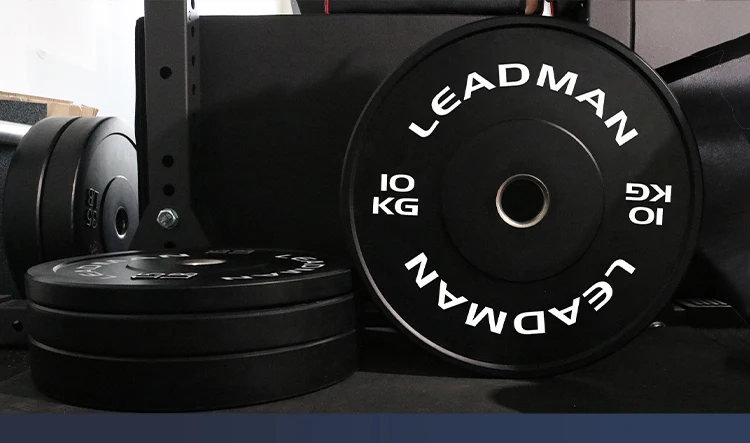
Establishing a high-performance training environment requires more than just floor space; it demands a strategic selection of durable, high-utility components. For facility operators and gym owners, the procurement of essential weight training supplies for your gym is a high-stakes decision that directly impacts long-term Return on Investment (ROI) and user safety. Choosing low-grade equipment leads to premature replacement cycles and increased maintenance labor, while premium-tier supplies offer a lower Total Cost of Ownership (TCO) despite higher upfront capital expenditure. This guide analyzes the technical specifications, material durability, and operational requirements necessary to build a resilient training ecosystem.
Selecting High-Density Flooring and Impact Mitigation Systems
Before a single piece of iron touches the floor, the foundation of your facility must be addressed. The primary failure mode in many newer gyms is the rapid degradation of floor surfaces due to uncontrolled impact energy. High-density rubber flooring is not merely a comfort feature; it is a critical component for structural protection and sound attenuation.
When selecting flooring, operators must distinguish between recycled rubber mats and vulcanized high-density rolls. The thickness of the material is the most significant variable in impact absorption. A common mistake is selecting a 10mm mat for a heavy lifting area, which will quickly compress and lose its structural integrity under heavy barbell drops.
| Material Type | Primary Use Case | Durability Expectation | Impact Absorption Level |
|---|---|---|---|
| Recycled Rubber Tiles (15mm-20mm) | General Strength Zones | Moderate/High | Good |
| Vulcanized High-Density Rolls | Heavy Free Weight Platforms | Very High | Excellent |
| EVA Foam Mats | Stretching & Mobility Areas | Low | Moderate |
To verify the effectiveness of your flooring, perform a visual inspection for 'indentation memory'—if the material does not return to its original shape after weight is removed, the density is insufficient for your load requirements. Once the foundation is secured, the focus must shift to the weight-bearing hardware itself.
Standardizing Free Weight Inventories and Load Increments
Having a solid foundation allows for the strategic layering of free weight supplies. A well-organized gym requires a logical progression of weight increments to serve both novice and advanced trainees. The goal is to minimize 'dead space' in your inventory—excessive amounts of weights that are rarely used versus a lack of common middle-range increments.
A common operational bottleneck occurs when a gym lacks sufficient intermediate jumps (e.g., 2.5kg or 5lb plates). This forces users to perform suboptimal training or skip movements, which can lead to member dissatisfaction. Furthermore, the material composition of your weights affects both durability and ease of cleaning.
Dumbbell Selection: Cast Iron vs. Urethane Coating
When deciding between cast iron and urethane-coated dumbbells, consider the environment and the intended longevity. Cast iron is cost-effective but prone to oxidation and surface rust if not maintained. Urethane, while more expensive, offers superior resistance to abrasion and chemical cleaning agents, making it the standard for high-traffic commercial environments.
- Cast Iron: Best for budget-conscious boutique studios; requires regular oiling to prevent rust.
- Urethane-Coated: Best for high-traffic commercial gyms; minimal maintenance and high aesthetic appeal.
- Rubber-Encased: A balanced option that reduces noise and protects floors, though edges can wear over time.
Successful procurement involves verifying the ergonomic grip design. A poorly machined handle can lead to user fatigue or even grip failure during high-intensity sessions. Always inspect the knurling consistency across different weight sets to ensure a standardized user experience.
With the free weight inventory established, the next critical layer involves the structural integrity of the racks and storage systems that hold them.
Explore the complete technical specifications:
Structural Integrity and Compliance of Strength Racks
Racks are the backbone of a weight training facility. Unlike free weights, which are modular, racks are static structures that must withstand significant lateral and longitudinal forces. A failure in a rack component is not just a maintenance issue; it is a significant liability risk.
The most frequent failure in rack systems is the loosening of hardware due to vibration and repeated loading. Operators must implement a strict inspection cadence to ensure that all bolts and fasteners remain at the manufacturer-recommended torque levels. A rack that appears stable may have internal structural fatigue or loose mounting points that only reveal themselves under heavy, dynamic loads.
Verification Checklist for Rack Stability
Perform these checks monthly to ensure the safety of your essential weight training supplies for your gym:
- Bolt Torque: Check all junction points for any sign of movement or loosening.
- Weld Inspection: Visually scan for hairline cracks in the frame, especially near high-stress areas like the uprights.
- J-Cup and Pin Alignment: Ensure all accessory holders fit snugly and do not wobble during heavy lifts.
- Base Stability: Verify that the rack remains perfectly level and hasn't shifted due to floor settling.
Regularly verifying these components prevents the catastrophic failures often seen in poorly maintained facilities. Once the heavy structural elements are verified, attention must turn to the smaller, but equally vital, barbell and accessory components.
Explore the complete technical specifications:
Optimizing Barbell and Plate Longevity
The interface between the lifter and the weight is the barbell. Because barbells are subjected to constant bending (deflection) and friction, they require a different level of care than almost any other supply in the gym. A damaged barbell can compromise a user's technique and increase the risk of injury.
The primary issue with barbell maintenance is the degradation of the internal bearings or bushings. If a barbell feels 'gritty' or lacks smooth rotation during a lift, the internal components are likely contaminated with dust or dried lubricant. This friction can actually create a dangerous imbalance during complex movements.
Maintenance Protocols for High-Rotation Bars
To prevent premature wear, follow these professional maintenance steps:
- Cleaning: Use a non-abrasive, pH-neutral cleaner to remove sweat and skin oils from the knurling.
- Lubrication: Apply a specialized barbell oil sparingly to the sleeves to protect the bearings from moisture.
- Inspection: Regularly check for permanent bends in the shaft. A bar that no longer returns to straight after a heavy lift must be retired immediately.
By maintaining your barbells and plates, you significantly extend the lifecycle of your most frequently used assets. This level of care also extends to the ancillary supplies that support specialized training sessions.
Explore the complete technical specifications:
Specialized Accessory Management: Bands, Wedges, and Blocks
As a facility matures, it often incorporates specialized resistance and stability tools. While these are often treated as 'consumables,' they require specific procurement logic. Resistance bands, for example, are subject to material fatigue and can fail without warning if not replaced according to a set schedule.
A common mistake is purchasing low-grade, non-latex bands for commercial use. These tend to lose elasticity quickly and, more importantly, are prone to snapping. In a commercial setting, the failure of a resistance band is a high-risk event. For procurement, always prioritize heavy-duty, high-tensile strength bands designed for repeated stretching cycles.
| Accessory Type | Critical Verification Parameter | Common Failure Mode |
|---|---|---|
| Resistance Bands | Tensile Strength & Elasticity Recovery | Surface cracking or snapping |
| Weight Wedges/Blocks | Material Density & Non-Slip Surface | Compression or sliding under load |
| Lifting Straps/Belts | Stitching Integrity & Leather Quality | Seam failure or strap stretching |
Monitoring the state of these accessories ensures that your specialized training zones remain functional and safe. Effective management of these smaller items prevents the perception of a 'run-down' facility.
Scaling Your Inventory: Procurement Strategies for Growth
Successful gym management involves looking beyond the immediate purchase to the long-term scaling of the facility. When you invest in essential weight training supplies for your gym, you must consider how easily that inventory can be expanded or reorganized as your membership base grows.
Modular systems are highly preferable for growing facilities. For example, purchasing weight trees that can be easily moved or expanded as you add more dumbbells avoids the need to rebuild your entire storage layout every year. The goal is to build an ecosystem that is both stable and adaptable. When planning for the next phase of growth, always prioritize equipment that follows a standardized footprint, allowing for easier integration of new units.
Maintaining a high-quality equipment standard through diligent inspection and smart procurement creates a professional environment that encourages long-term member retention and operational efficiency.