
Optimizing Facility Longevity with a Premium Bumper Plate Weight Set
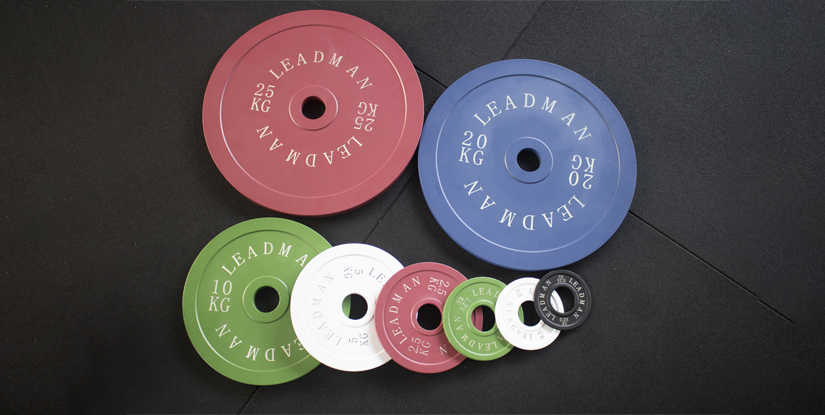
Standardizing Material Selection for High-Impact Training
Selecting a high-quality Bumper Plate Weight Set is not merely a procurement task; it is a decision regarding the long-term structural integrity of your training floor and the consistency of your lifting sessions. Professional facility managers often face the dilemma of choosing between lower-cost synthetic options and premium high-density rubber compositions. The primary driver of cost in these sets is often the density of the material and the precision of the central hub construction.
A common failure mode in lower-tier sets involves 'dead spots'—areas where the rubber density is inconsistent—which can lead to uneven bounces during high-velocity lifts. To mitigate this, operators must verify that the set utilizes high-density virgin rubber rather than recycled scrap, which often lacks the uniform elasticity required for consistent performance. Once you have established the material baseline, the next critical variable to address is the physical diameter and weight tolerance of each plate.
Material Composition and Durability Variables
| Material Type | Typical Density Profile | Ideal Use Case | Expected Lifespan |
|---|---|---|---|
| Virgin Rubber | High/Uniform | Professional/Olympic Training | Long-term (High durability) |
| Recycled Rubber | Medium/Variable | General Fitness/Commercial | Medium-term |
| Polyurethane (PU) | Extremely High | Precision/Competition Training | Long-term (Highest impact resistance) |
Understanding these material profiles ensures that your investment aligns with the intensity of your facility's usage. This foundational understanding of material density leads directly into the necessity of maintaining strict dimensional tolerances.
Verifying Dimensional Tolerances and Weight Accuracy
Having established the material requirements, the operator must now focus on the geometric precision of the set. In a professional setting, the utility of a Bumper Plate Weight Set is compromised if the plates vary significantly in diameter or weight. If a 25kg plate is significantly wider or more heavily weighted than its counterpart, it creates an unbalanced bar, which can lead to erratic barbell movement and increased risk of injury during heavy cleans or snatches.
A standard industrial tolerance for high-end bumper plates is usually within a very tight percentage of the stated weight. When conducting a procurement audit, ask for the tolerance range provided. A common mistake is ignoring the 'inner diameter' (ID) variance; if the holes are too tight, loading becomes a bottleneck, whereas if they are too loose, the plates will rattle excessively, causing premature wear on the barbell sleeves. Verify that the ID is consistent across the entire set to ensure smooth loading and unloading cycles.
Weight Accuracy Checklist for Procurement
- Tolerance Check: Verify if the set adheres to a +/- 1% or 2% weight deviation limit.
- Diameter Uniformity: Ensure all plates in a single weight class share the same external diameter.
- ID Consistency: Confirm that the center hole fits standard 50mm barbells without excessive play.
- Visual Balance: Check for symmetrical thickness across the face of the plate.
Ensuring these physical dimensions are correct sets the stage for how the equipment will actually interact with your facility's flooring systems.
Impact Mitigation and Floor Loading Requirements
The physical characteristics of your plate set directly dictate the secondary equipment you must purchase, specifically your flooring. Because a Bumper Plate Weight Set is designed to be dropped from height, the kinetic energy transferred upon impact must be managed to protect the subfloor and the barbell itself. Failure to account for this leads to cracked concrete or damaged structural slabs in commercial buildings.
The thickness of the plate and the shore hardness of the rubber are the two most critical factors here. A thicker, softer plate will absorb more energy but may have a larger footprint, while a thinner, harder plate will provide more precision but transmits more shock to the floor. Facility operators should match the plate'크 (thickness) with a high-quality lifting platform or high-density rubber mats. A common error is using thin 20mm mats with heavy-impact plates, which ultimately results in floor failure and high replacement costs.
Floor Protection Decision Matrix
| Impact Intensity | Recommended Flooring Type | Minimum Thickness | Primary Benefit |
|---|---|---|---|
| Moderate (Lifting/Drops) | High-Density Rubber Tiles | 20mm - 30mm | General shock absorption |
| Heavy (High-Volume Drops) | Multi-Layered Lifting Platform | 50mm+ (Total) | Structural load distribution |
| Extreme (Olympic/Pro Training) | Dedicated Weightlifting Platform | Subfloor-Integrated | Vibration and sound reduction |
Once the relationship between the plates and the floor is secured, the focus must shift toward the long-term maintenance required to keep the set in peak condition.
Related reading:
Standardized Maintenance Protocols for Bumper Sets
Maintenance for bumper plates is often overlooked in commercial gym management, leading to premature degradation. While these are 'low-maintenance' items, they are not 'no-maintenance' items. As the rubber undergoes repeated compression and expansion from being dropped, microscopic cracks or surface oxidation can occur, especially in high-humidity environments.
A common problem is the accumulation of sweat, chalk, and skin oils on the plate surface, which can degrade the rubber over time and make the plates slippery. To prevent this, implement a routine cleaning cycle using a mild, non-abrasive detergent. Never use harsh chemicals or petroleum-based cleaners, as these can strip the essential oils from the rubber and cause brittleness. Regular inspections should look for signs of 'cracking' or 'delamination' near the center hub, which is the most frequent point of mechanical failure.
Quarterly Inspection and Cleaning Routine
- Debris Removal: Use a dry brush or compressed air to remove chalk dust from the center holes.
- Surface Cleaning: Wipe down the faces with a damp cloth and a neutral pH cleaner.
- Structural Integrity Check: Inspect the edge of the plates for any bubbling or chipping.
- Weight Verification: Randomly sample one plate from each weight class using a calibrated scale to ensure no material loss has occurred.
Consistent maintenance ensures that the high-performance characteristics of your equipment remain predictable for your athletes.
Related reading:
Mitigating Common Failures in High-Volume Environments
In high-traffic commercial gyms, the most frequent issue reported by operators is the loss of 'roundness' or the development of an irregular bounce. This is often caused by using plates on surfaces that are not level or by failing to provide adequate shock absorption. When a plate loses its structural shape, it no longer sits flat on the floor, which can cause the barbell to tilt or oscillate during a lift.
Another frequent failure involves the center hub. In cheaper sets, the metal ring in the middle may become loose or misaligned, causing the plate to wobble on the barbell. This is often a result of manufacturing defects or excessive use with non-standard bar diameters. To verify performance, perform a 'roll test': place a plate on a flat surface and roll it; it should travel in a straight line without significant deviation. If it wobbles or deviates, the plate is likely deformed and should be decommissioned to prevent injury.
Troubleshooting Guide for Plate Issues
| Observed Symptom | Probable Cause | Actionable Fix |
|---|---|---|
| Uneven Bounce | Non-uniform rubber density | Replace plate; verify density spec |
| Barbell Wobble | Loose or worn center hub | Inspect ID; replace with precision set |
| Surface Cracking | Chemical exposure or UV damage | Implement strict cleaning protocols |
| Irregular Rolling | Physical deformation/Impact damage | Decommission plate; check floor level |
By proactively identifying these failure modes, you can maintain a safe and professional training environment without unexpected downtime.
Related reading:
Optimizing Workflow with Modular Plate Management
Efficiency in a training facility is often measured by how quickly athletes can transition between exercises. A well-managed Bumper Plate Weight Set should be organized to facilitate rapid loading. A common bottleneck occurs when plates of different weights are mixed or when the loading process is physically cumbersome due to poor storage solutions.
To optimize workflow, implement a vertical or horizontal plate tree system that categorizes weights by color and numerical value. This not only speeds up transitions but also reduces the wear and tear on the floor caused by stacking plates directly on the ground. Furthermore, ensure that your barbell sleeves are kept clean; a dirty sleeve increases friction, making it much harder to slide bumper plates on and off, which frustiva the movement of the weight during high-intensity training.
Workflow Optimization Strategies
- Color-Coded Organization: Always use standard Olympic color-coding for instant recognition.
- Dedicated Storage: Use professional plate trees to keep weights off the floor and off the lifting platforms.
- Sleeve Maintenance: Regularly clean barbell sleeves with a silicone-based lubricant to maintain smooth rotation and loading.
A streamlined workflow leads to higher athlete satisfaction and more efficient use of your facility's space.
Related reading:
Safety Protocols and Risk Management
Safety in a weight room is a multi-variable equation that includes the athlete, the equipment, and the environment. When working with heavy bumper plates, the risk of 'mis-loads' or 'improper strikes' is a constant factor. A mis-loaded barbell—where one side is significantly heavier than the other—can cause the bar to whip or tilt violently upon impact, potentially striking the athlete or nearby bystanders.
Operators must enforce strict protocols regarding the dropping of weights. While bumper plates are designed for impact, they are not indestructible. Dropping heavy plates without a designated platform or onto an unprotected surface increases the risk of equipment failure and secondary accidents. Always ensure that the drop zone is clear and that the floor-load capacity of your facility can handle the dynamic weight of the plates in motion. If you notice any signs of 'shattering' or large fragments coming off the edge of a plate, remove it from service immediately.
Operator Safety Checklist
- Visual Inspection: Daily check for any cracked or chipped plate edges.
- Clearance Zones: Maintain a minimum 1.5-meter clearance around all lifting platforms.
- Loading Verification: Encourage athletes to double-check weight distribution before every lift.
- Surface Check: Ensure the floor remains free of moisture and debris to prevent slips during loading.
Rigorous adherence to these safety protocols protects both your athletes and your professional reputation.
Strategic Procurement for Long-Term ROI
Ultimately, the purchase of a Bumper Plate Weight Set should be viewed through the lens of Total Cost of Ownership (TCO). While the initial price tag of a premium set may be higher than a generic alternative, the long-term value is found in the durability, the reduced replacement frequency, and the minimized risk of secondary damage to your facility. A cheaper set that requires replacement every 18 months is significantly more expensive than a premium set that lasts five years.
When calculating ROI, include the costs of potential floor repairs, the labor required for more frequent maintenance, and the lost revenue from equipment downtime. Professional buyers should prioritize sets that offer clear documentation regarding material density, manufacturing tolerances, and expected service life. This data-driven approach ensures that your procurement decisions support the long-term stability and professional standards of your commercial fitness facility.