
A Guide to Weight Training Equipment for Every Gym
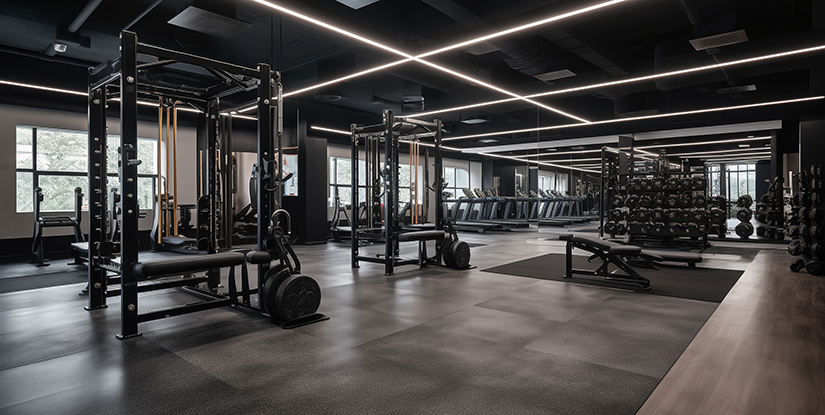
Operating a successful fitness facility begins with the heavy lifting—literally. For facility managers and procurement officers, the challenge isn't just selecting equipment that looks good; it is selecting machinery that survives the relentless cycle of commercial use without falling into a state of constant repair. A single malfunctioning cable machine or a loose weight stack can lead to more than just downtime; it can lead to liability and client attrition. This guide provides a technical deep dive into the selection, implementation, and maintenance of weight training equipment to ensure long-term ROI and safety.
Identifying the Structural Integrity Risks in Commercial Weight Machines
Before placing an order, one must understand that the primary failure mode in most gyms is not the aesthetic finish, but the internal mechanical stress. Many operators face the "phantom failure" problem, where a machine appears functional but has internal micro-fractures or worn bearings that lead to sudden, catastrophic failure during high-intensity use.
The root cause of these failures is often the mismatch between the machine's intended load capacity and the actual kinetic energy produced by experienced lifters. When a user performs an explosive movement, the dynamic load often exceeds the static weight on the stack. If the frame is not constructed with high-gauge steel or if the weld points are insufficient, structural fatigue sets in. To mitigate this, procurement officers should verify the gauge of the steel tubing and the quality of the welding (e.g., full-penetration welds rather than spot welds). Failure to verify these specs results in a machine that may pass a visual check but fails under real-world operational stress.
By identifying these structural risks early, you move from reactive repairs to proactive procurement. This understanding of structural load is critical when deciding on the specific categories of equipment to stock.
Essential Material Specifications for Longevity
When reviewing technical spec sheets, do not settle for vague descriptions. A professional buyer must demand specific material standards to ensure the equipment survives the high-traffic environment of a modern gym.
| Component Type | Standard Specification | Common Low-Quality Shortcut |
|---|---|---|
| Frame Tubing | 11-gauge or 12-gauge steel | 14-gauge or thinner lightweight steel |
| Pulley Wheels | Aluminum or high-density nylon | Thin plastic or lightweight nylon |
| Bearing Assemblies | Sealed precision ball bearings | Open or unsealed bushings |
| Upholstery | High-density foam with heavy-duty vinyl | Thin foam with standard PVC covering |
Understanding these material distinctions allows you to justify a higher initial investment by demonstrating the reduction in long-term replacement costs. Once you have secured high-quality hardware, the focus must shift to the technical assembly and layout of these machines.
Optimizing Equipment Layout and User Safety Boundaries
Selecting high-quality machines is only half the battle; how those machines are positioned within your floor plan determines the actual safety of your facility. A common mistake among new operators is the "clustering effect," where machines are placed too close to one another to maximize the number of units per square foot. This leads to a lack of user clearance and increased accident risks.
The cause of layout-related accidents is usually an oversight in the machine's "dynamic footprint." Every piece of equipment has a static footprint (the area it occupies while still) and a dynamic footprint (the area it occupies while in use). For example, a leg press machine requires significantly more space when the carriage is at its maximum extension. If the operator fails to account for this, users may collide with passersby or other equipment. To verify a safe layout, use a floor marking method during the assembly phase to trace the maximum reach of every moving part, including the weight stack and the user's limbs.
A well-planned layout not only improves safety but also manages the flow of traffic, preventing bottlenecks in high-traffic areas. After the layout is finalized, the next critical step is establishing a rigorous inspection cadence to catch wear before it becomes a danger.
Developing a Rigorous Inspection and Maintenance Schedule
Even the highest-grade equipment will eventually degrade under constant mechanical friction. The transition from a functional gym to a high-risk environment happens slowly, through the gradual loosening of bolts and the fraying of cables. Without a structured maintenance protocol, the cost of repair escalates exponentially.
A common failure in facility management is the "visual-only" inspection. Managers walk the floor and assume that if a machine isn't making a loud noise, it is safe. This is a mistake. Most mechanical failures in weight training equipment are preceded by subtle changes: a slight increase in cable tension, a minute vibration in a pulley, or a slight discoloration on a bearing housing. The fix is a systematic, tiered inspection approach that moves from visual observation to physical testing.
The Multi-Tiered Inspection Checklist
- Tier 1: Daily Visual Walkthrough (Staff Level) - Check for obvious torn upholstery, loose weight plates, or spilled fluids that could cause slips.
- Tier 2: Weekly Mechanical Check (Maintenance Level) - Test the smoothness of every cable pull; listen for grinding in the pulleys; check the stability of bolts on primary joints.
- Tier 3: Monthly Deep Audit (Technical Level) - Inspect cable fraying with a magnifying tool; check tensioners; lubricate all moving parts with manufacturer-approved silicone spray; verify the torque on all major structural bolts.
By implementing these three tiers, you ensure that minor issues, like a slightly frayed cable, are replaced before they snap under load. This prevents the expensive emergency downtime that follows a mechanical failure. However, maintenance alone cannot fix a machine that was poorly selected in the first place.
Comparing Free Weights versus Selectorized Machines for ROI
As you refine your maintenance and selection processes, you must also weigh the different types of training equipment to balance your budget and user versatility. The choice between free weights (dumbbells, barbells) and selectorized machines (cable machines, weight stacks) is a fundamental decision in a guide to weight training equipment for every gym.
The primary trade-off here is between versatility and safety/ease of use. Free weights are incredibly durable and have a very low mechanical failure rate because they have no moving parts. However, they require a higher level of user skill and significantly more space for racks and benches. Selectorized machines, conversely, provide a highly controlled movement pattern which makes them excellent for beginners and physical therapy, but they are subject to much higher mechanical wear and tear.
| Feature | Free Weight Systems | Selectorized Machines |
|---|---|---|
| Durability | Extremely High (Minimal moving parts) | Moderate (Subject to cable/pulley wear) |
| User Skill Requirement | High (Requires stability/balance) | Low (Guided movement path) |
| Maintenance Frequency | Low (Primarily floor/storage check) | High (Cables, pulleys, and bearings) |
| Revenue Potential | High (Long-term value/low upkeep) | Variable (High turnover/high maintenance) |
The decision should be based on your target demographic. If you are running a high-performance training center, your free weight ratio should be higher. For a commercial wellness center, selectorized machines may provide a more accessible and marketable experience. Once you have decided on your equipment mix, you must prepare for the inevitable depreciation of these assets.
Mitigating Depreciation through Proper Storage and Environment Control
Once your equipment is installed and your maintenance routine is running, the final piece of the puzzle is the environment. Many facility managers overlook the impact of ambient conditions on their equipment's lifespan. A gym that is too humid or too temperature-variable will see accelerated degradation of both mechanical and aesthetic components.
High humidity is the silent killer of weight training equipment. It causes oxidation on exposed steel surfaces and, more critically, can weaken the internal components of electronic-assisted or highly precision-engineered machines. Furthermore, excessive moisture can lead to the rapid deterioration of upholstery and foam padding, causing the material to crack or even grow mold. To verify your environment is optimized, you should monitor both relative humidity (RH) and ambient temperature daily. Ideally, the environment should remain stable to prevent the expansion and contraction of metal parts, which can lead to loosened bolts over time.
Maintaining a controlled environment acts as an insurance policy for your equipment. It ensures that the high-quality materials you selected in the initial procurement phase continue to perform at their peak for as long as possible. By mastering the full lifecycle—from selection and layout to maintenance and environmental control—you transform your gym from a collection of machines into a durable, high-performing business asset.
Selecting the Right Weight Training Equipment for Your Budget Class
Not all gyms share the same capital expenditure profile. A boutique strength studio, a luxury wellness club, and a budget-friendly community gym each require a different approach to weight training equipment. Miscalculating the 'tier' of equipment you are purchasing can lead to a mismatch between your brand promise and your equipment's durability.
When selecting equipment, you must consider the 'Intensity Density' of your facility. A high-intensity facility with high turnover of users will experience much faster wear on pulleys and cables than a low-traffic medical wellness center. For example, a machine designed for a general wellness center might use standard nylon pulleys, whereas a performance center requires high-grade aluminum pulleys to handle the rapid, high-torque directional changes of elite athletes. If you under-spec your equipment for a high-intensity environment, you will face constant 'out of order' signs, which damages brand reputation.
To assist in your decision-making, refer to the following tiering guide:
- Tier 1: High-Performance / Professional - Focus on high-gauge steel (11-gauge), heavy-duty knurling, and premium bearings. Designed for 12+ hours of daily heavy use.
- Tier 2: Commercial Standard - Focus on 12-14 gauge steel and reliable, standard-grade cables. Designed for standard commercial gym foot traffic.
- Tier 3: Home / Light Commercial - Focus on weight-to-cost efficiency. Suitable for low-frequency use and limited mechanical stress.
Choosing the correct tier ensures that your equipment matches the physical demands and the financial capabilities of your business model. This foundational understanding of your specific market needs allows for much more strategic long-term planning.