Professional-Grade Functional Trainer Systems
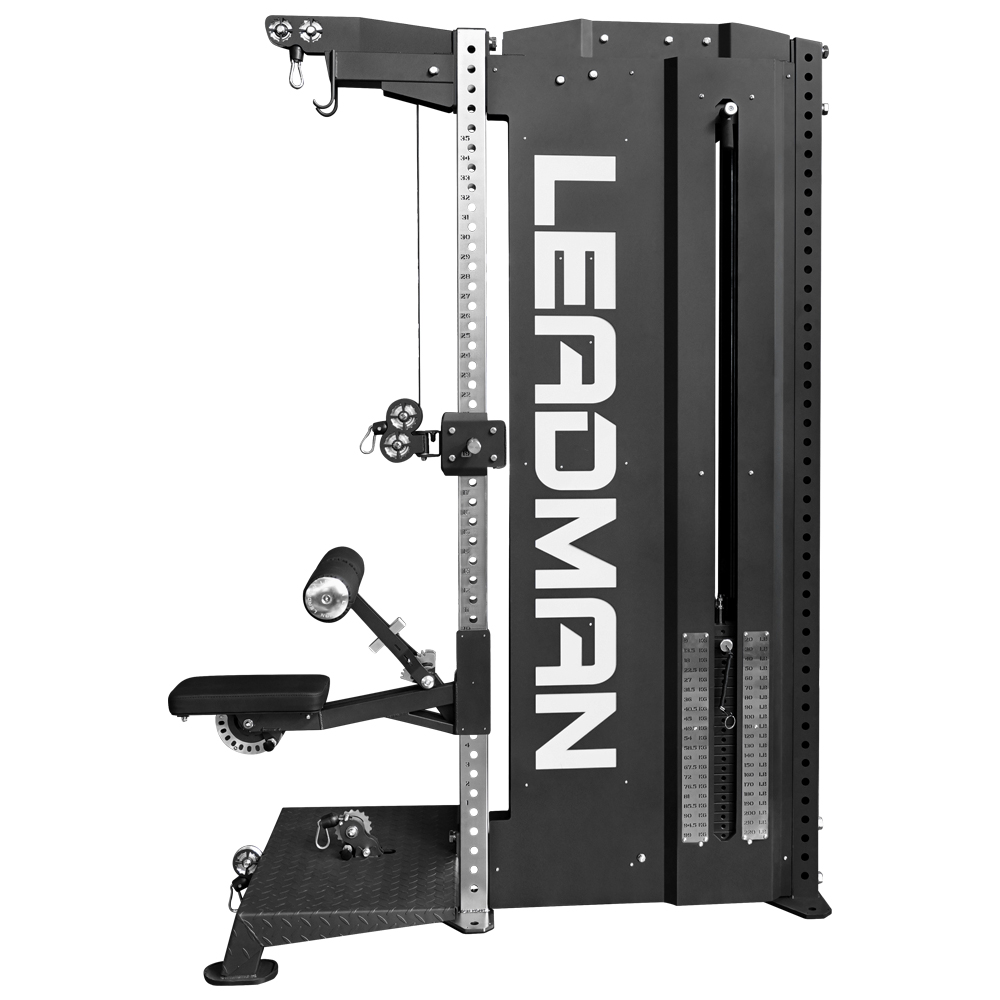
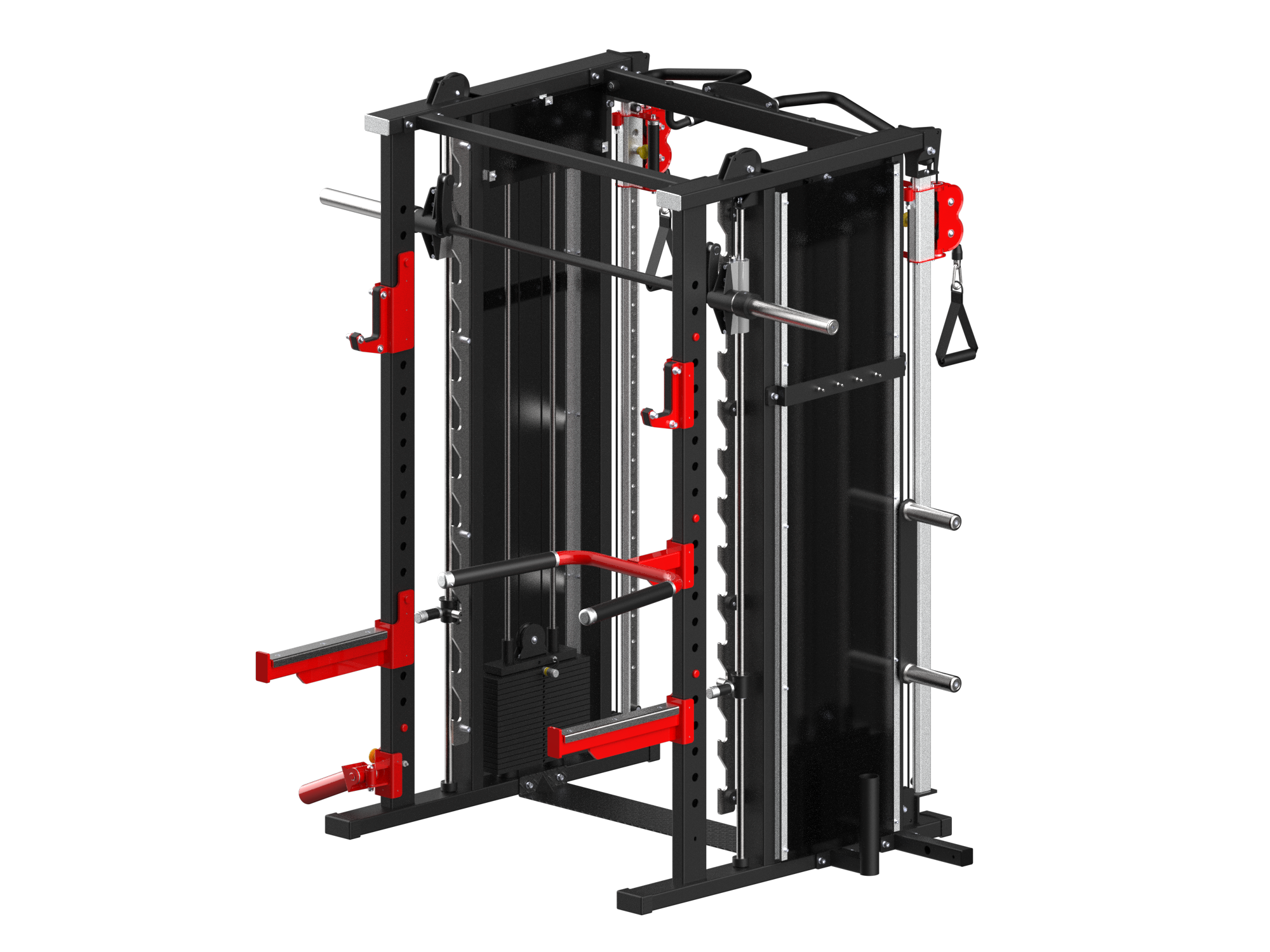
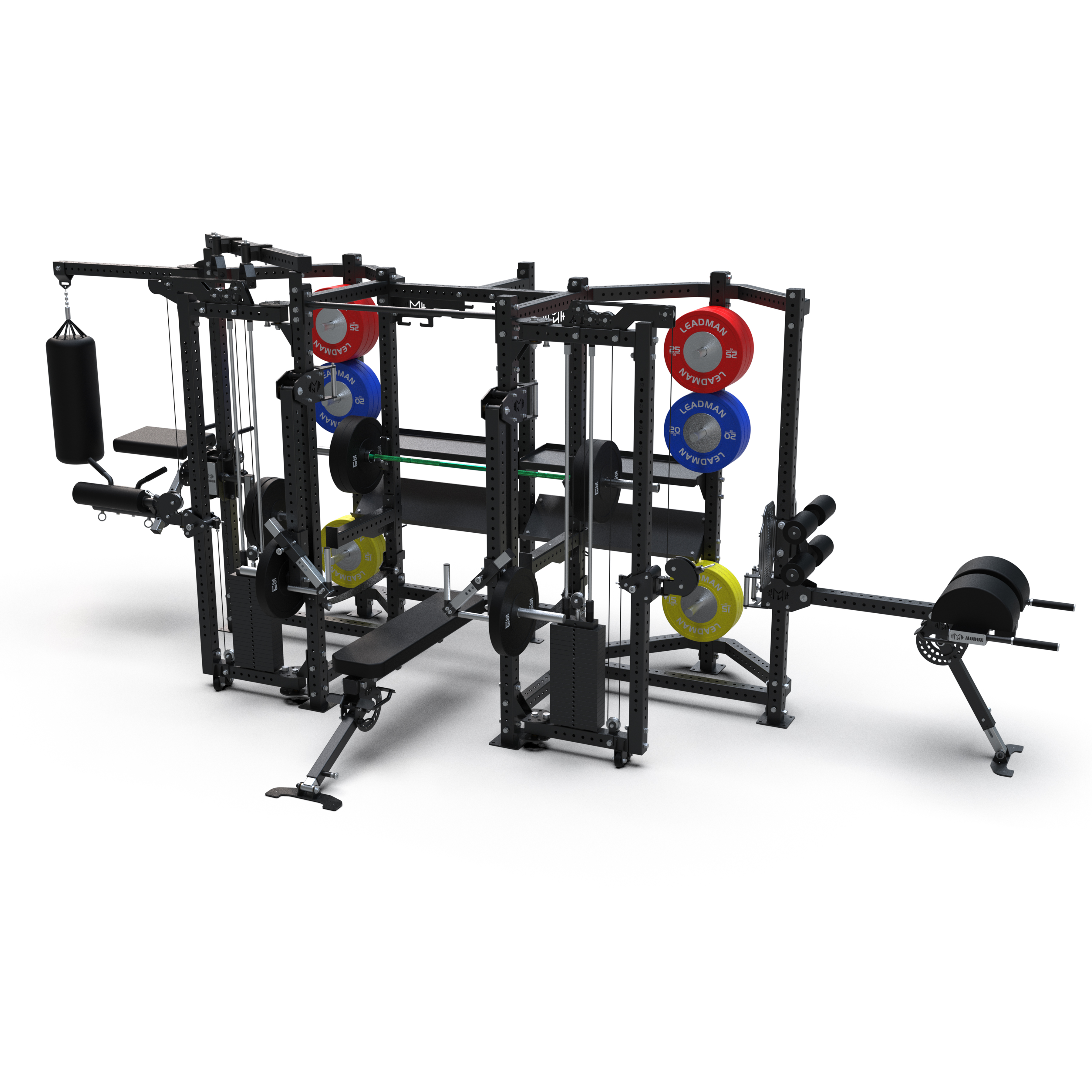
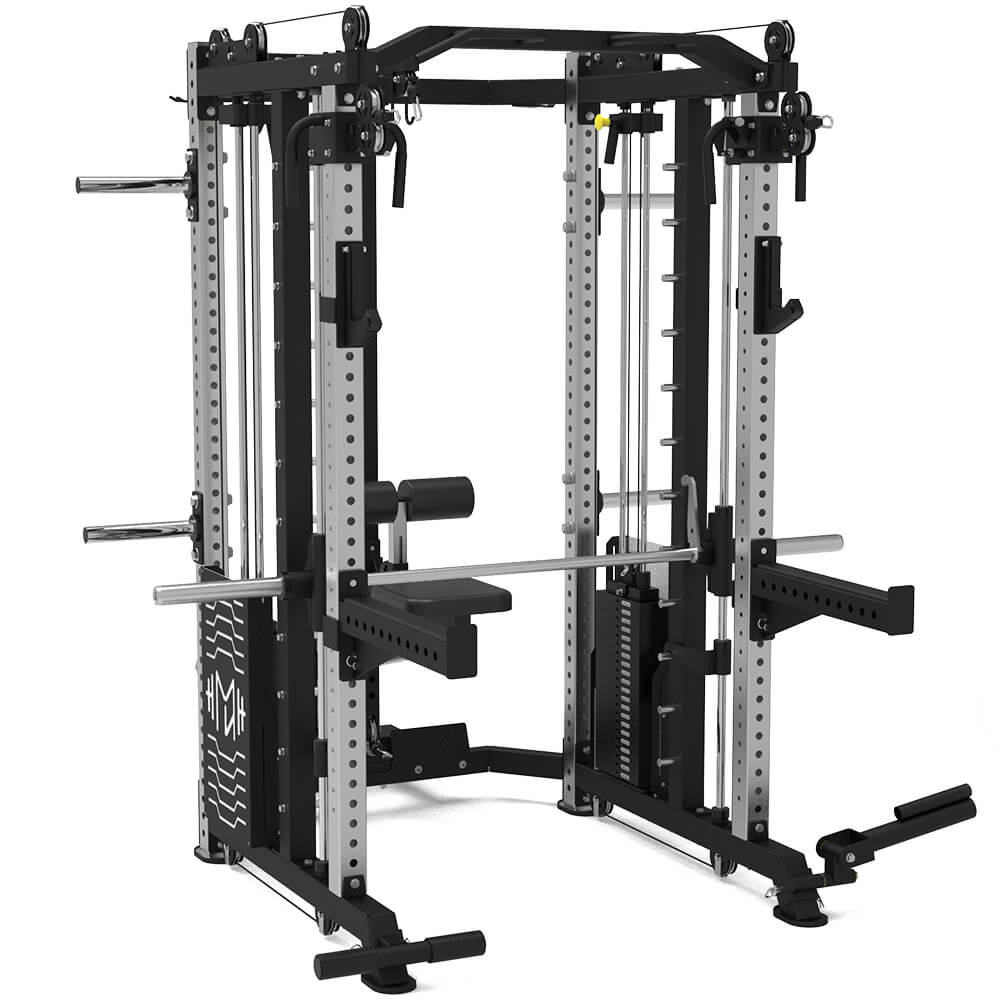
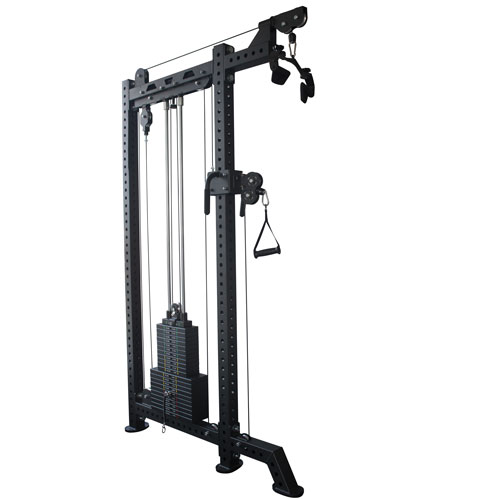
Functional trainer equipment designed for the commercial sector represents the pinnacle of versatile strength training. Unlike standard weight machines, these systems utilize high-tensile cables and adjustable pulleys to facilitate multi-planar, functional movements. In high-traffic environments such as commercial gyms, boutique studios, and professional training centers, the requirement for equipment goes beyond mere utility; it demands structural integrity, smooth kinetic resistance, and extreme durability.
Core Engineering and Structural Specifications
A premium commercial functional trainer is defined by its ability to withstand constant, high-volume usage. Key technical attributes include:
Operational Versatility and User Experience
The primary value proposition of commercial functional trainers lies in their ability to serve a wide spectrum of training modalities. From unilateral hypertrophy work to dynamic stability training, these machines are essential for modern fitness programming. Effective units offer wide-range cable travel and high-stability bases to prevent tipping during high-velocity movements. Operators must prioritize equipment that supports both heavy resistance lifting and high-repetition functional patterns without compromising mechanical precision.
Procurement and Facility Integration
When sourcing functional trainer equipment for a commercial facility, procurement specialists must evaluate the equipment's footprint, weight-stack capacity, and maintenance requirements. A robust system should feature easily accessible adjustment points and a weight stack design that allows for rapid transitions between exercises. Ensuring compatibility with various cable attachments—such as handles, ropes, and bars—is critical for maximizing the utility of the footprint within a commercial floor plan.