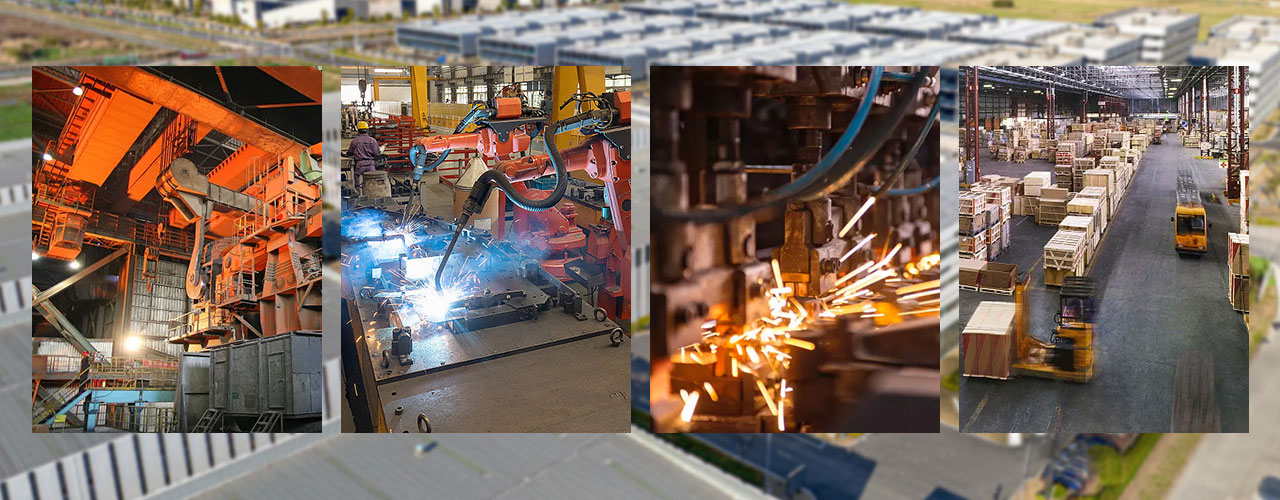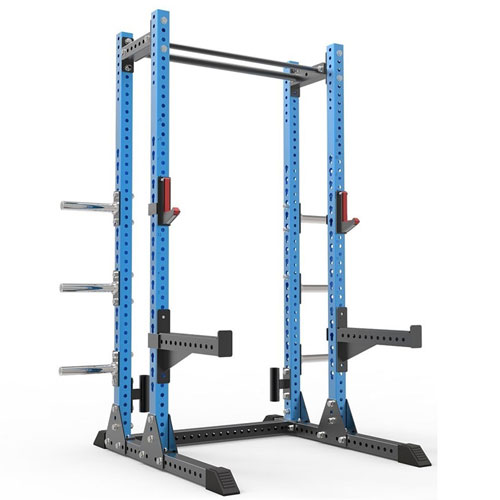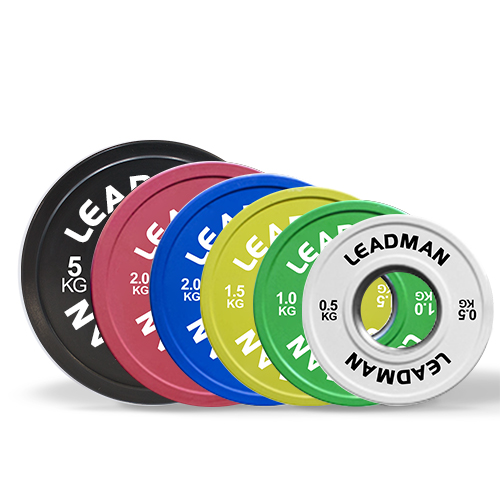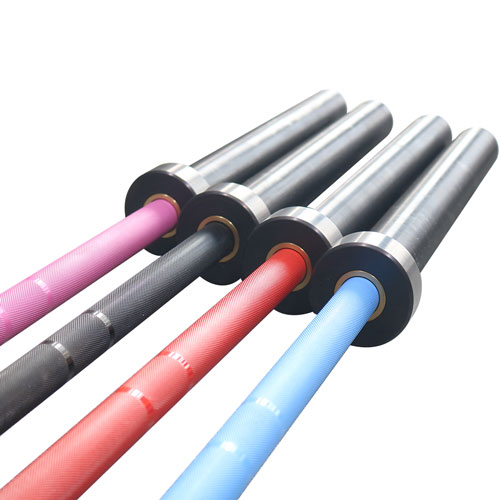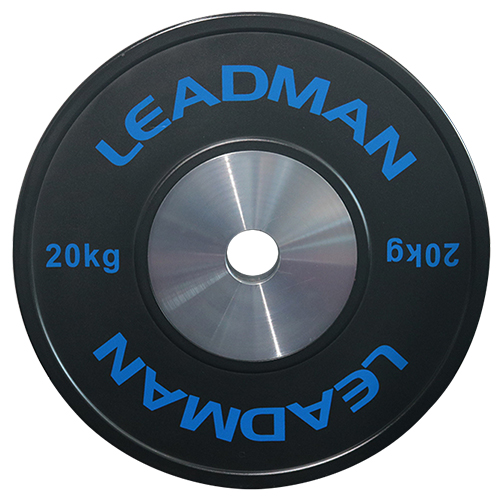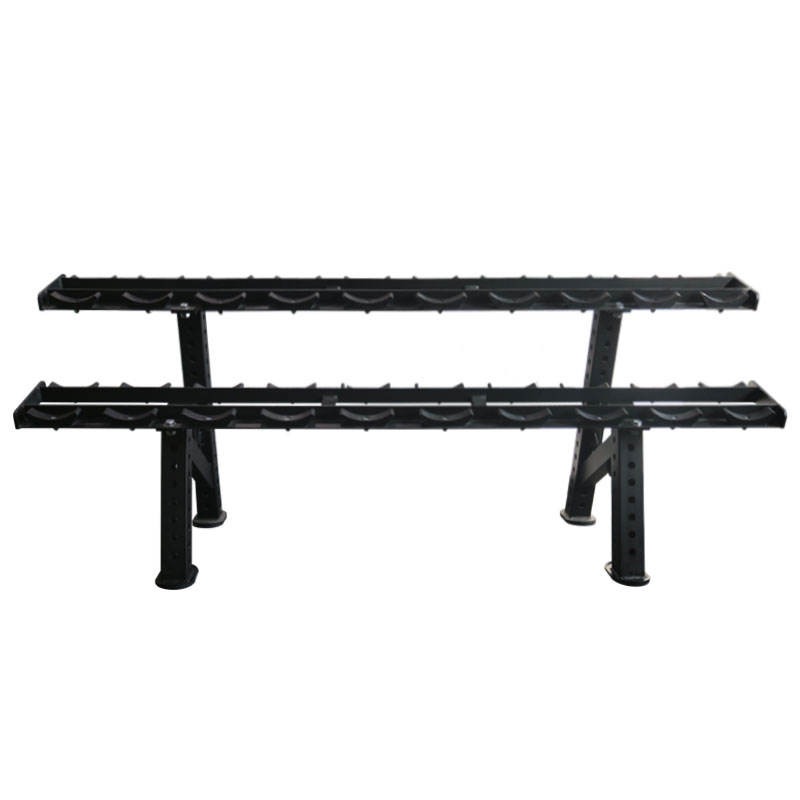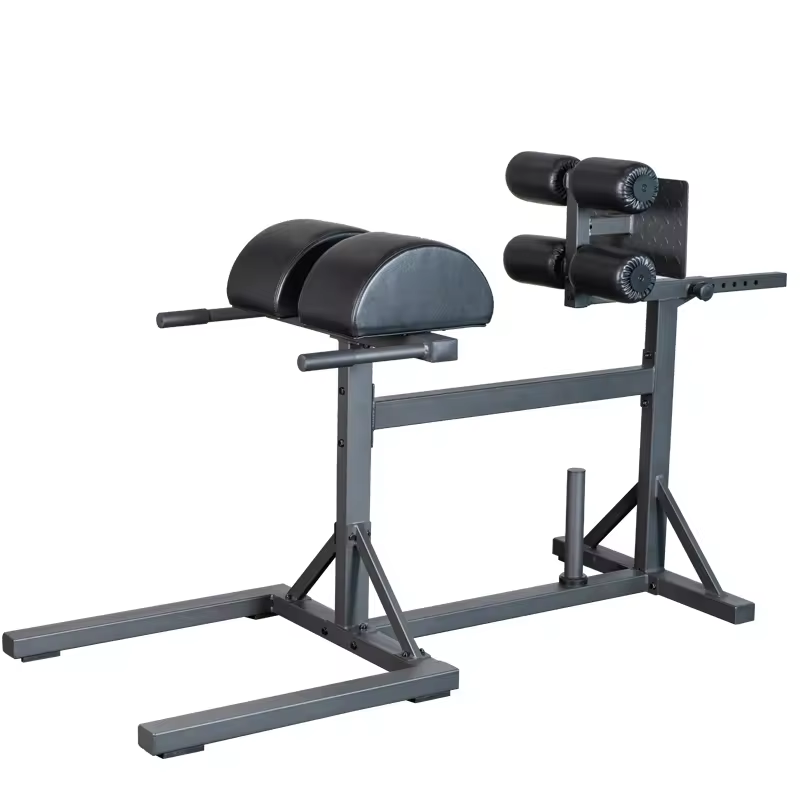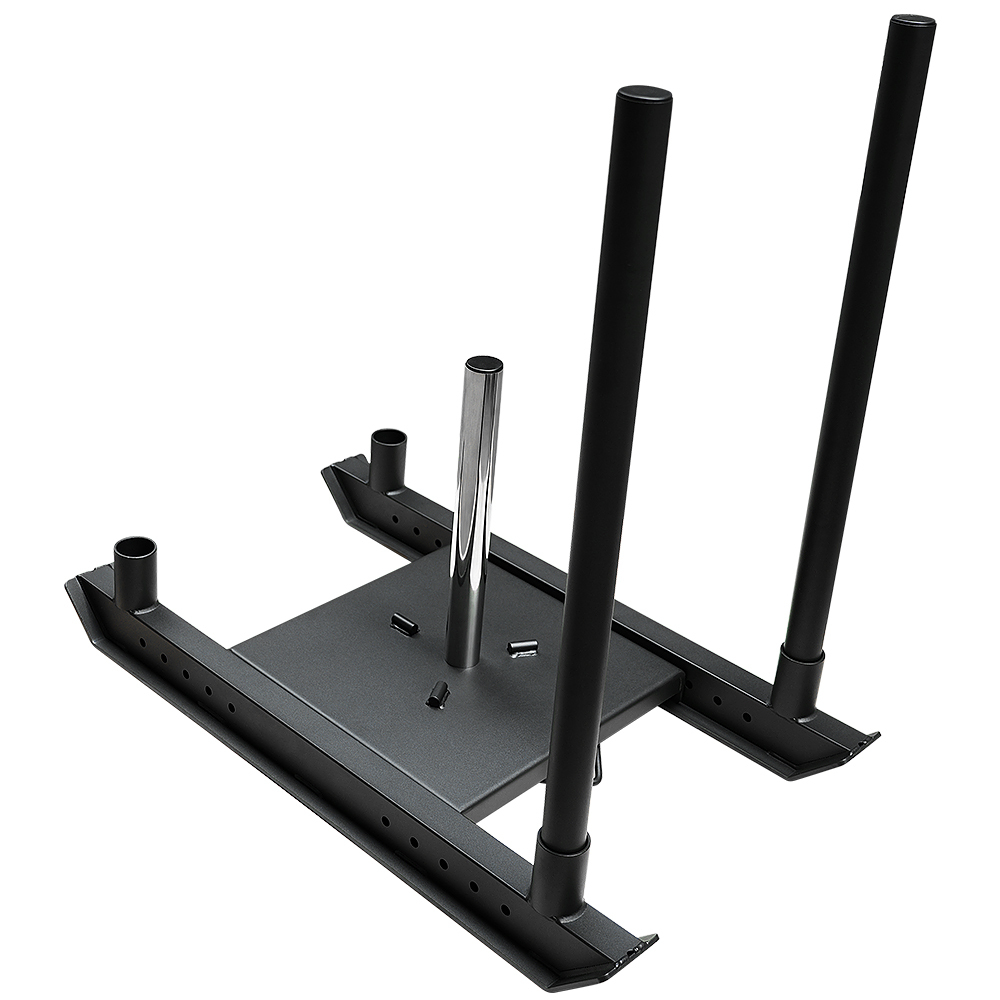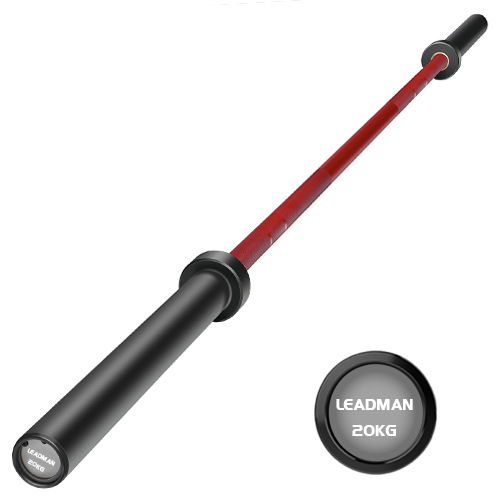
Selecting from the world's top fitness equipment manufacturers requires a technical understanding of engineering standards, material durability, and vertical integration. In the commercial fitness sector, the distinction between high-end boutique suppliers and mass-market manufacturers lies in their adherence to biomechanical precision and structural integrity. Whether sourcing for a global franchise, a high-performance training center, or a specialized rehabilitation facility, procurement professionals must evaluate manufacturers based on several critical technical dimensions.
Manufacturing Standards and Material Science
Premium manufacturers prioritize high-grade steel gauges and advanced welding techniques to ensure longevity under heavy commercial use. When evaluating a supplier, examine the thickness of the steel tubing, the quality of the powder coating, and the specifications of the bearings used in resistance-based machinery. High-tier manufacturers often utilize proprietary alloys or reinforced polymers to optimize the weight-to-durability ratio, ensuring that strength training stations can withstand high-frequency, high-impact loading without structural fatigue.
Product Specialization and Biomechanics
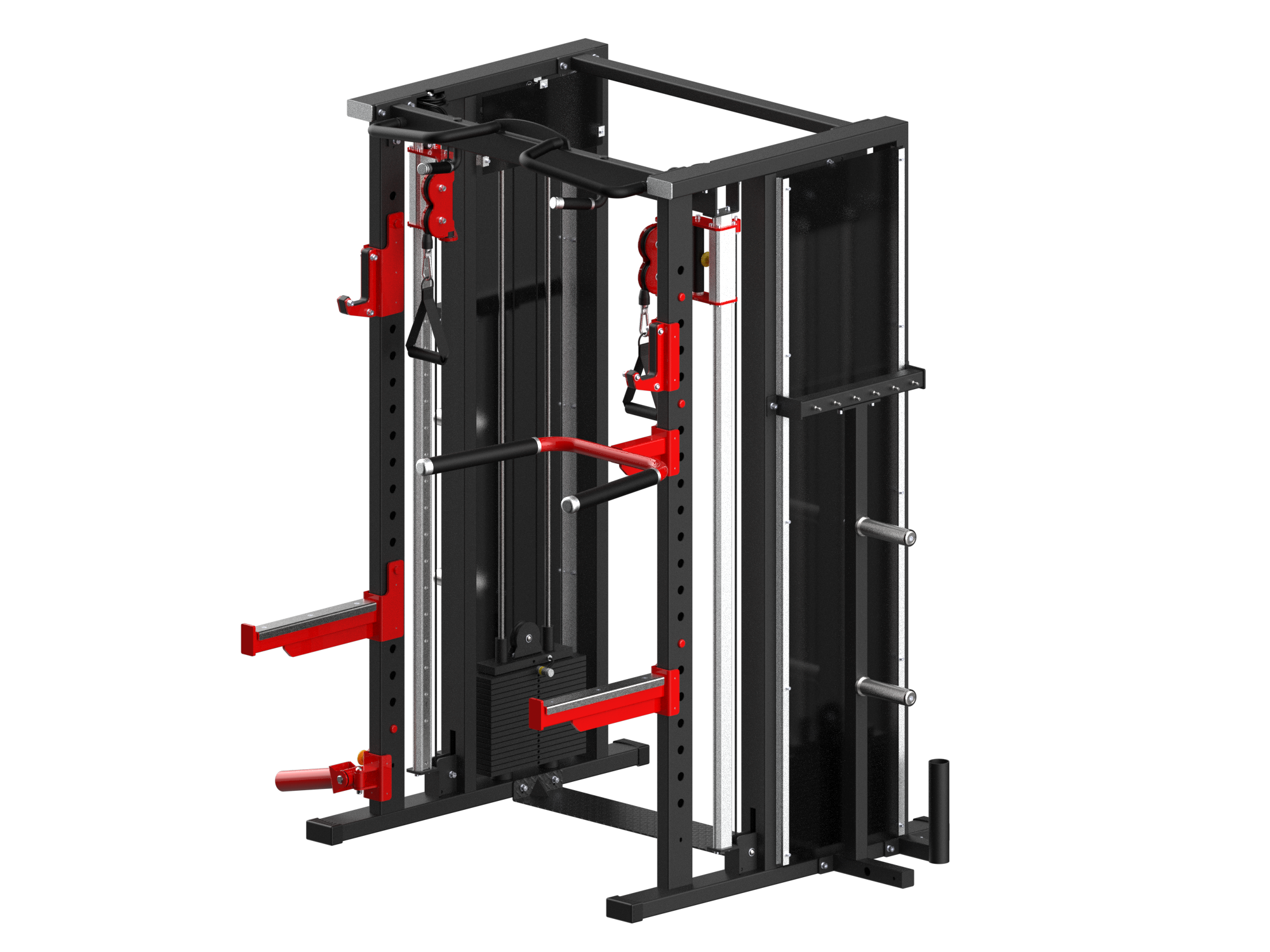
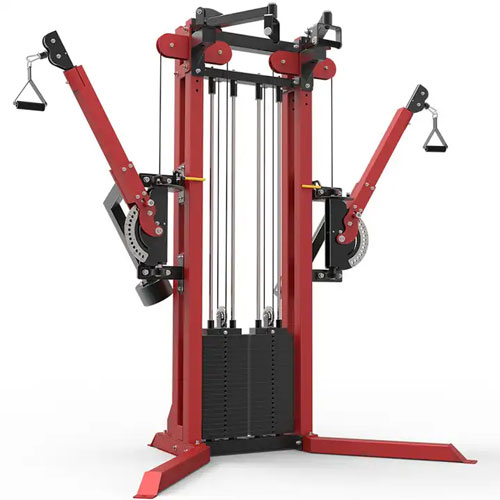
The market is segmented into specialized manufacturing disciplines. Top-tier manufacturers generally fall into three categories:
Supply Chain and Compliance
Reliable manufacturers must demonstrate rigorous quality control (QC) protocols and compliance with international safety standards, such as ISO certifications or specific ASTM testing. For large-scale commercial deployments, the ability to manage complex logistics, provide comprehensive spare parts availability, and offer technical support is as critical as the initial equipment build. A manufacturer's capacity for custom OEM/ODM solutions and their ability to scale production to meet global tender requirements are essential indicators of a Tier-1 supplier.