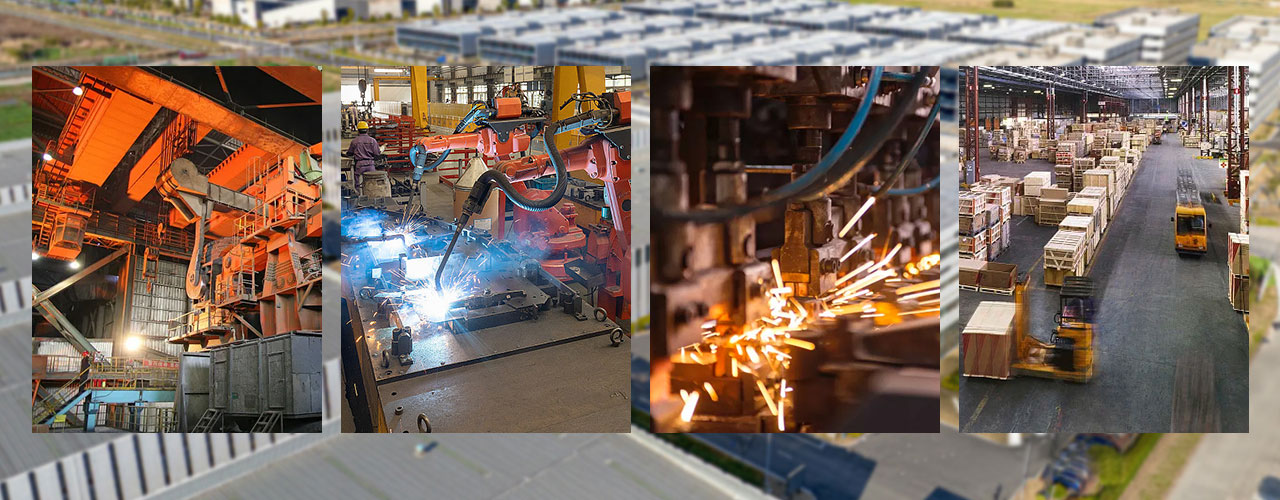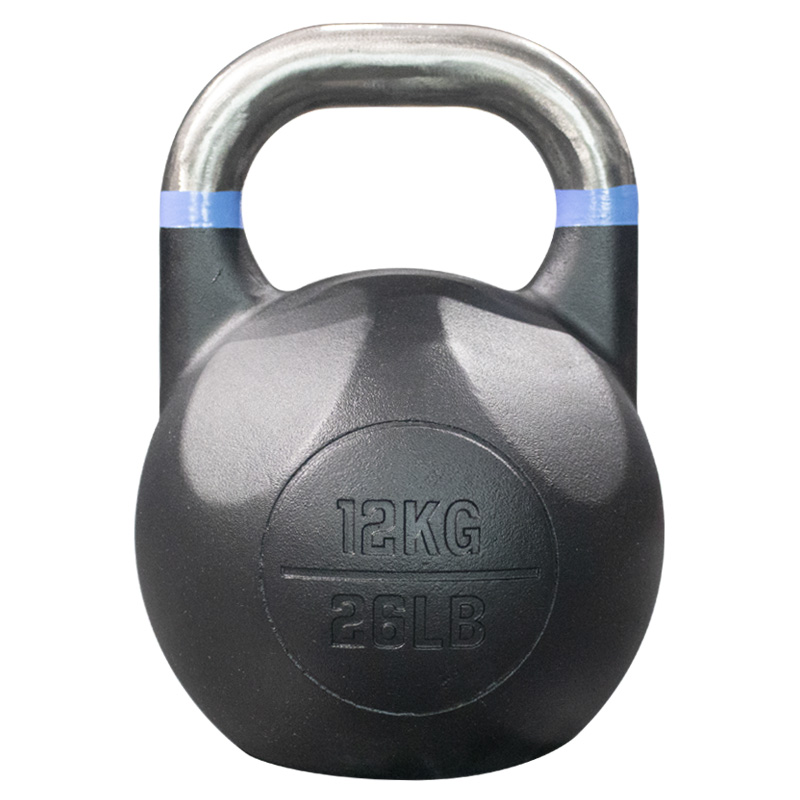
The global supply chain for cast iron kettlebells has fragmented considerably, shifting dominance away from a few massive foundries toward specialized regional producers. When evaluating kettlebell manufacturers, buyers now face a choice between high-volume, low-cost suppliers operating on sand casting lines and boutique foundries using automated flaskless molding. The latter achieve superior surface consistency—eliminating the parting line flash that creates hot spots on the palm during high-rep snatches—at a 15–20% cost premium. Understanding this trade-off directly impacts user compliance rates in group fitness settings.
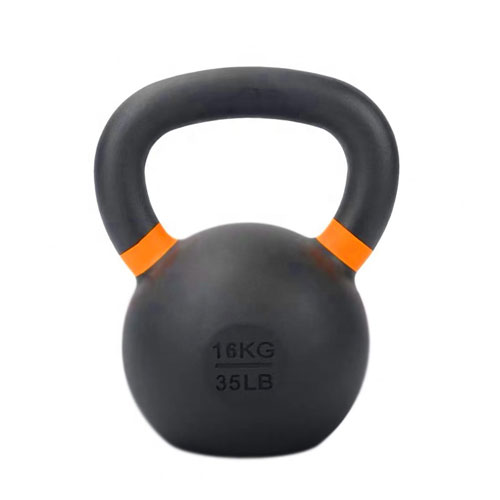
Hidden within kettlebell manufacturers' technical specifications is the window dimension consistency across weight increments. Budget production lines often use different core boxes for heavy versus light kettlebells, resulting in handle span varying by 6–8mm between a 12kg and 20kg unit. This forces the athlete to constantly recalibrate grip placement during progressive overload. Premium kettlebell manufacturers maintain identical handle geometry across the entire weight spectrum—typically a 33–35mm opening width and 150–155mm flat span—by using modular core tooling. Grip circumference also matters: 31mm handles suit female athletes and smaller hands, while 35mm handles reduce palm shear for male lifters performing ballistic movements.
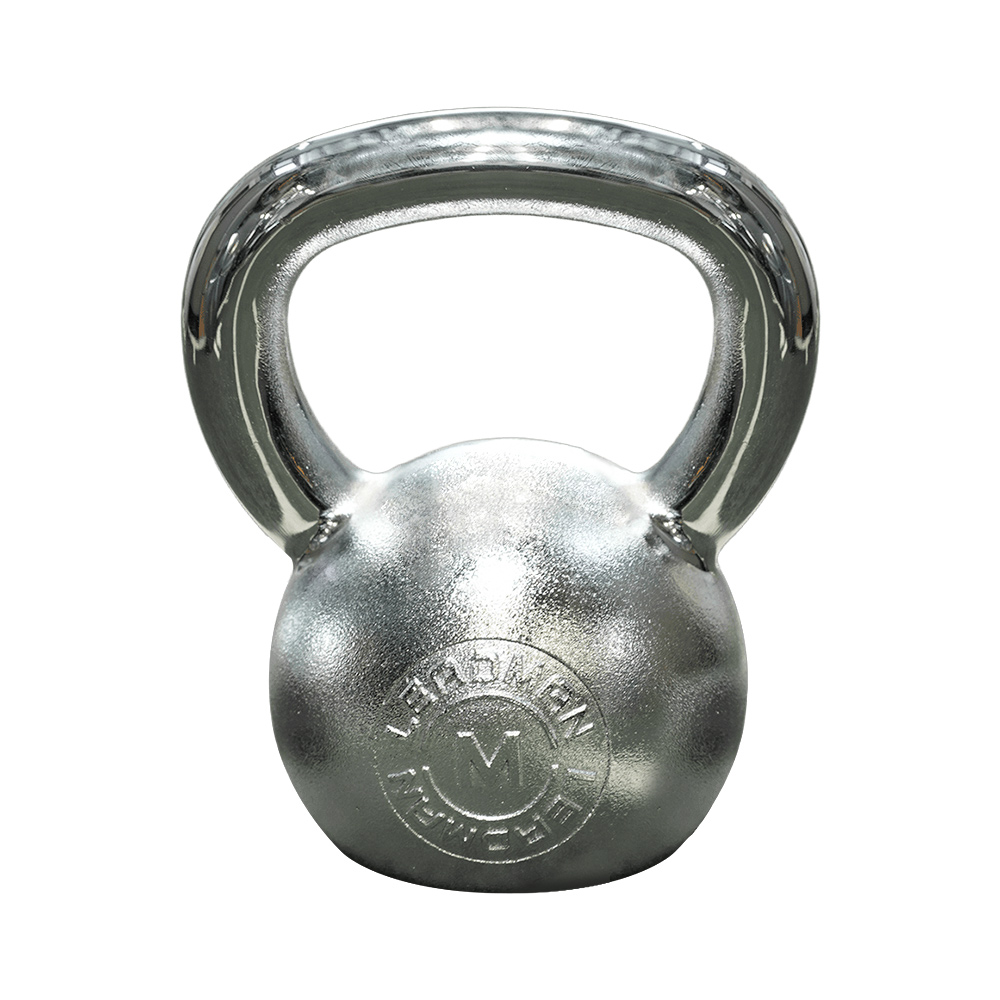
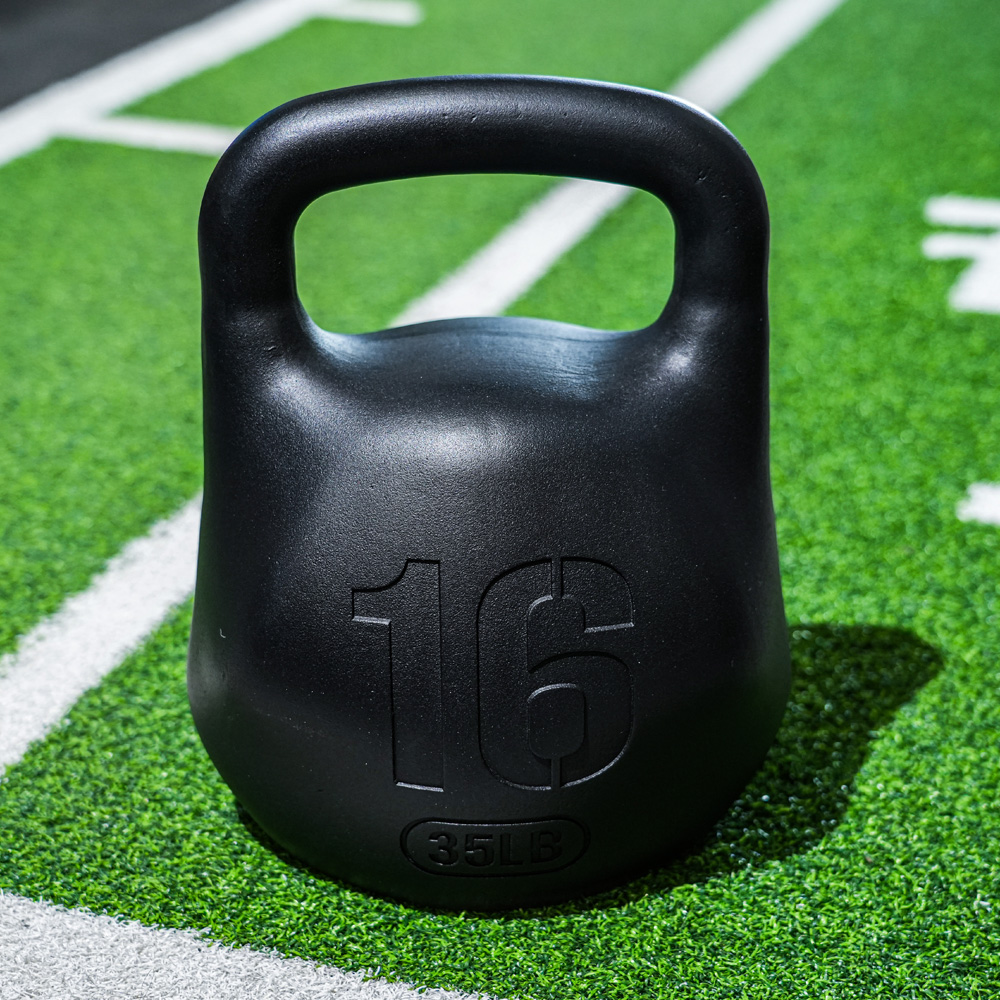
From a facilities management standpoint, kettlebell manufacturers offering electromagnetic powder coating with textured clear topcoats outperform traditional enamel finishing by a wide margin. Salt spray tests reveal that powder-coated kettlebells withstand 500 hours of corrosion exposure versus 120 hours for wet-painted equivalents—critical for kettlebells stored outdoors or in uninsulated training sheds. Additionally, kettlebell manufacturers employing a dual-stage surface preparation (grit blasting followed by phosphate wash) achieve coating adhesion six times stronger than simple degreasing. A 2024 study tracking 14 gyms found that kettlebells from manufacturers skipping surface profiling required recoating after just 14 months, while those with blasted finishes remained serviceable beyond 48 months with identical usage frequency.
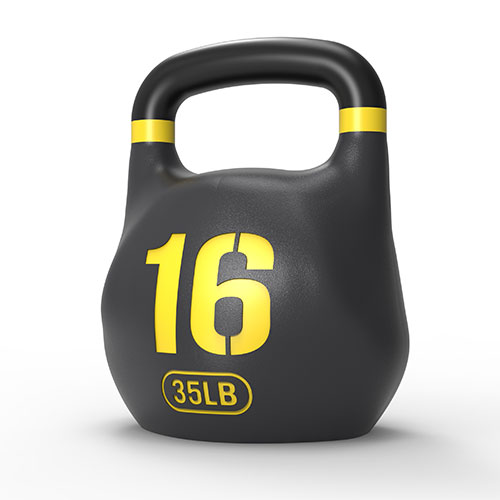
Smart procurement begins by requesting flatness measurements on the handle's contact face—tolerances exceeding 1.5mm cause uneven pressure distribution during cleans. Avoid kettlebell manufacturers unable to provide foundry source traceability, as unknown iron grades may contain excessive sulfur, creating brittleness under repeated concrete impacts. The evolving standard includes kettlebells with subtly textured grip bands (raised at 0.3mm) that signal proper hand insertion depth without aggressive knurling. For studios prioritizing rapid color identification, ask about molded-in polyurethane color sleeves rather than painted bases—the former survives 100,000+ cycles of racking and unracking, whereas paint fails before 15,000 touches.