Launching a new fitness facility requires significant upfront capital, much of which is absorbed by high-grade commercial strength and cardio equipment. For startups, gym equipment leasing serves as a critical financial instrument to mitigate initial capital expenditure (CAPEX) and preserve liquidity for essential operational costs such as facility rent, staffing, and marketing.
Strategic Financial Advantages
Rather than committing large sums to depreciating assets, leasing allows new business owners to shift costs to operational expenditure (OPEX). This approach provides several structural advantages:
Selecting the Right Equipment Profile
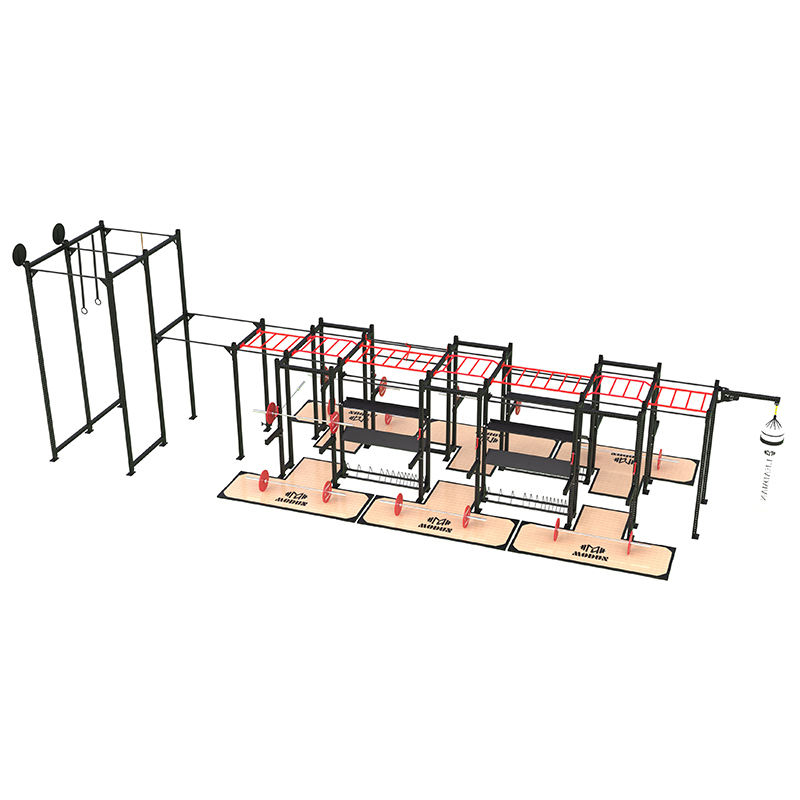
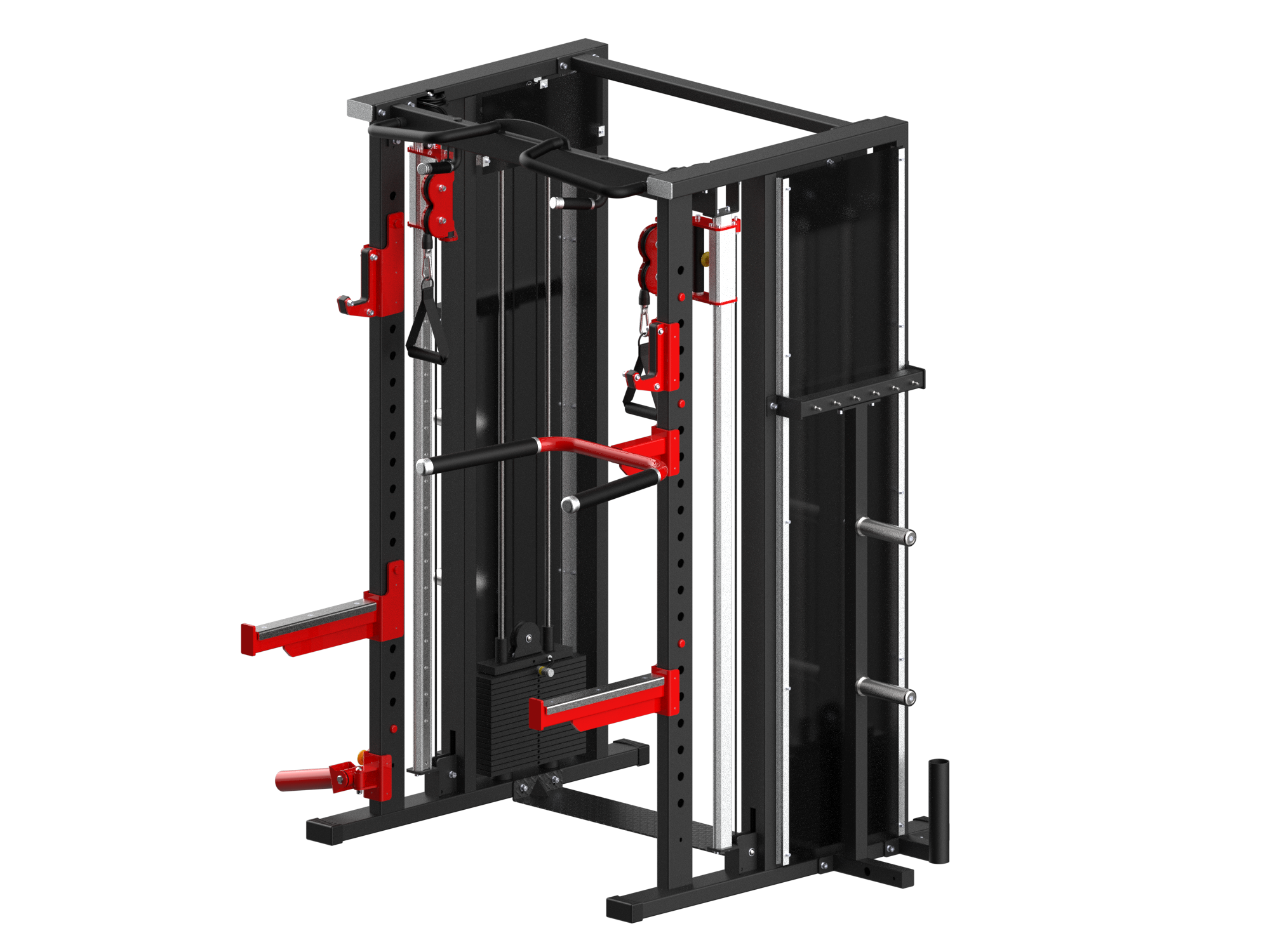
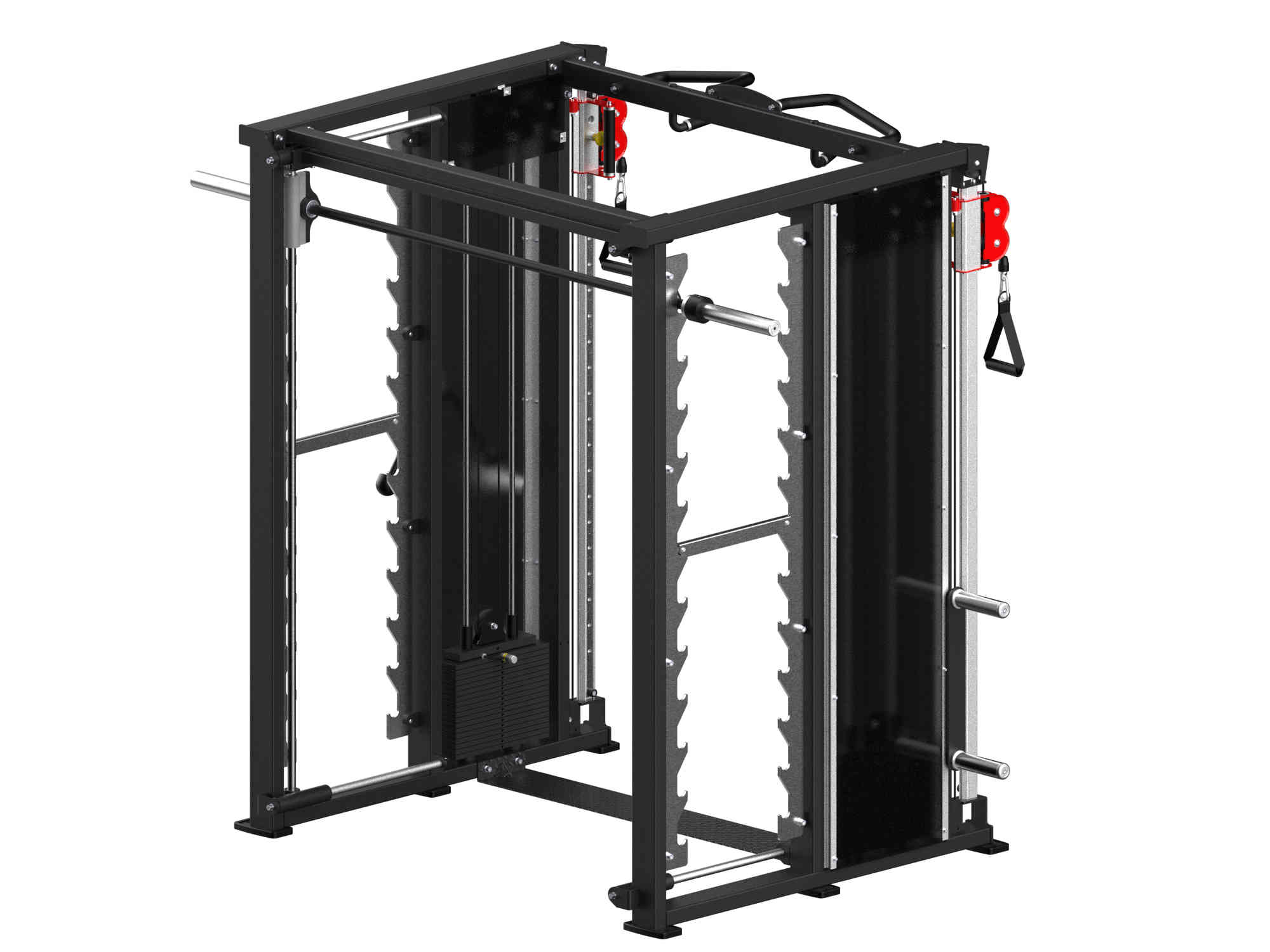
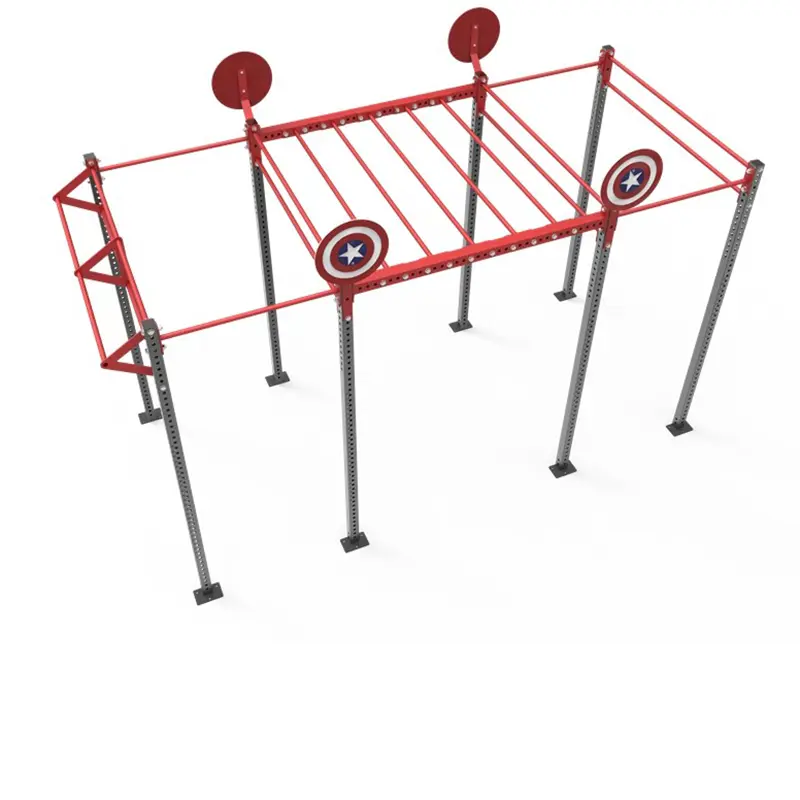
When configuring a lease for a startup, the selection of equipment must align with the specific niche of the business—whether it is a boutique functional training studio, a high-intensity interval training (HIIT) center, or a traditional weightlifting gym. It is vital to prioritize durability and maintenance reliability. Commercial-grade equipment is engineered for high-volume use; opting for consumer-grade equipment to save on monthly lease costs often results in higher long-term costs due to frequent downtime and maintenance requirements.
Key Considerations for Lease Agreements
Before finalizing a contract, fitness entrepreneurs must evaluate the following technical and legal parameters:
By leveraging structured leasing models, startups can deploy high-performance, commercial-grade fitness solutions immediately, establishing a premium member experience without the immediate burden of heavy debt or depleted cash reserves.