Understanding the direct-to-manufacturer model
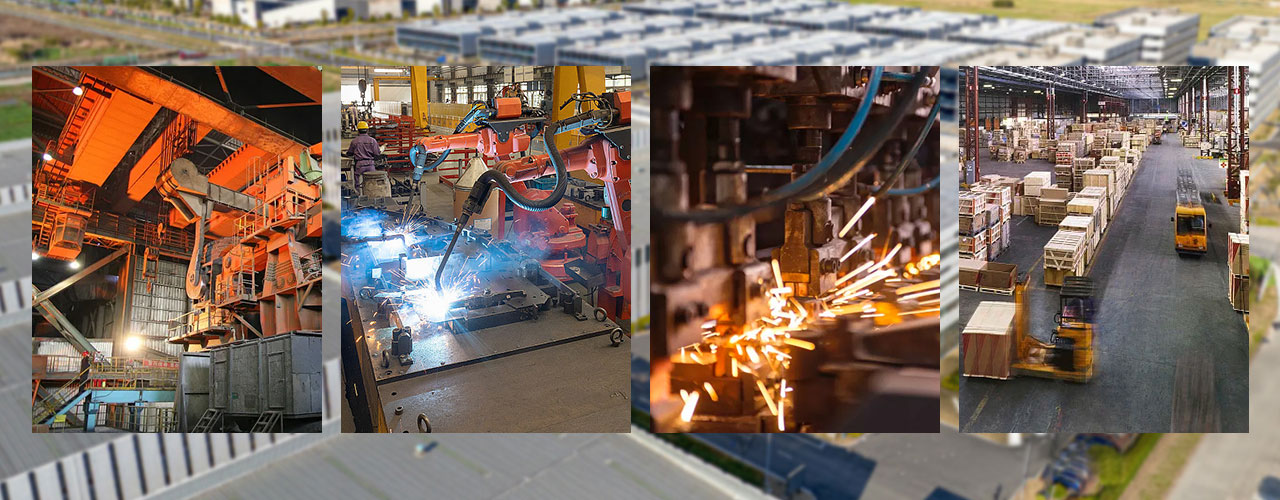
Procuring commercial-grade fitness apparatus through factory direct channels eliminates the multi-tiered markup inherent in traditional distribution models. For facility owners, gym developers, and large-scale distributors, moving upstream in the supply chain allows for significantly improved capital expenditure (CAPEX) efficiency. By bypassing wholesalers and regional distributors, buyers gain direct access to the original manufacturer's cost structures, facilitating more predictable budgeting for large-scale installations.
Core drivers of factory direct pricing
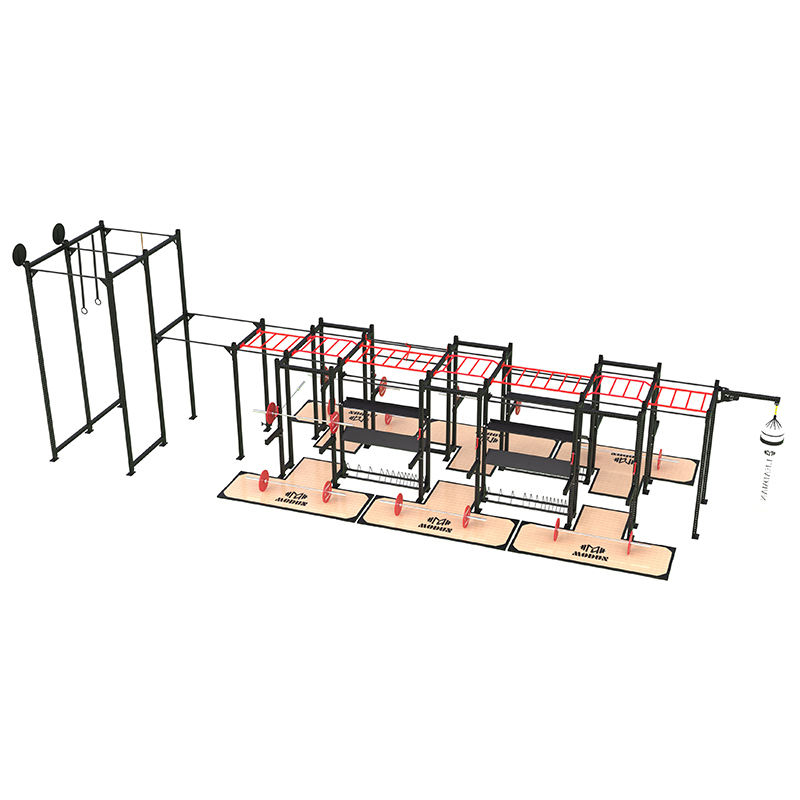
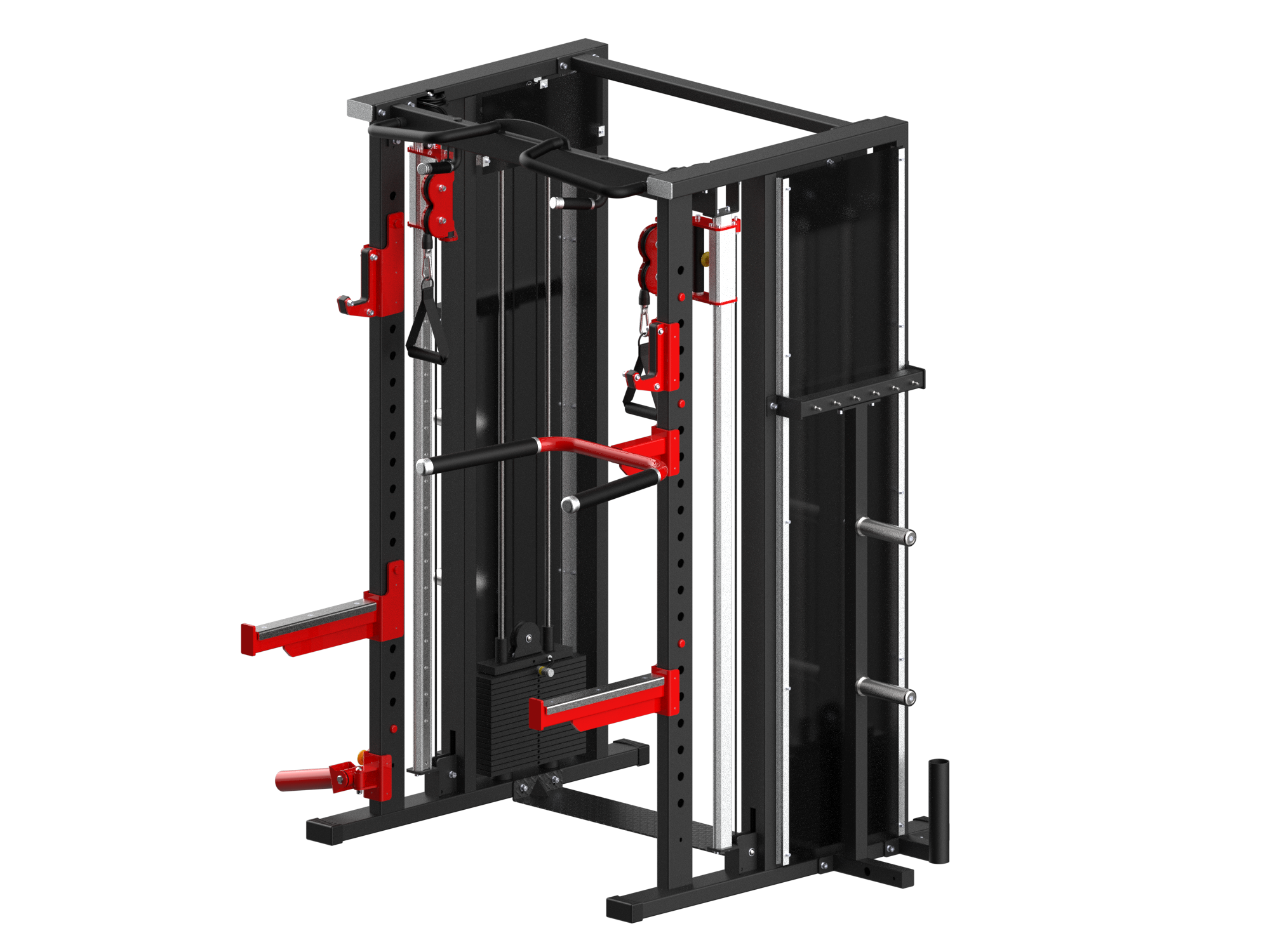
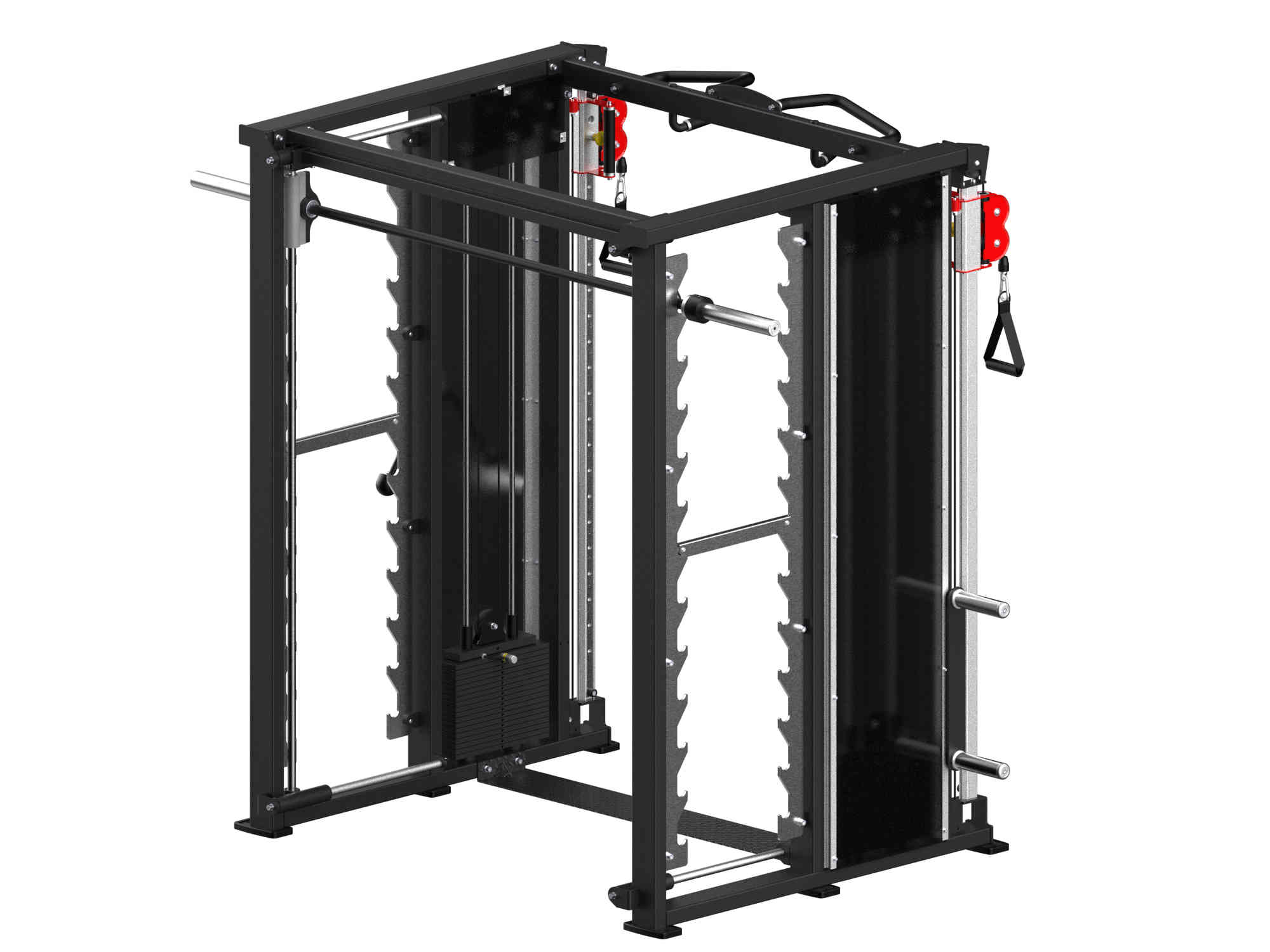
When evaluating price points for strength training machines, cardio equipment, and functional training rigs, several engineering and logistical variables dictate the final landed cost:
Strategic advantages for procurement professionals
Direct sourcing provides more than just cost savings; it offers unparalleled transparency in the manufacturing process. Professional buyers can implement stricter quality control (QC) protocols and engage directly with the engineering teams to ensure that equipment meets specific ISO or ASTM standards. This proximity to the production line also facilitates better management of lead times and shipping logistics, which is crucial for phased gym openings or large-scale franchise rollouts.
Key considerations for bulk procurement
To successfully leverage factory direct pricing, procurement officers must account for the complexities of international logistics and customs duties. Effective sourcing strategies include:
By focusing on manufacturer-direct relationships, fitness businesses can optimize their procurement workflows, ensuring high-performance equipment is acquired at the most competitive market rates without sacrificing structural integrity or operational reliability.