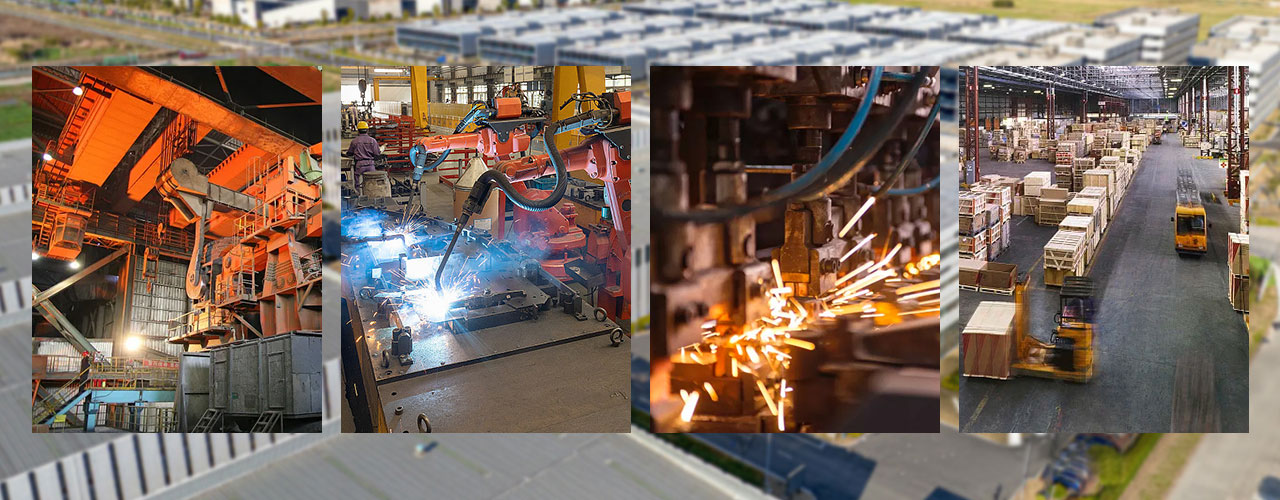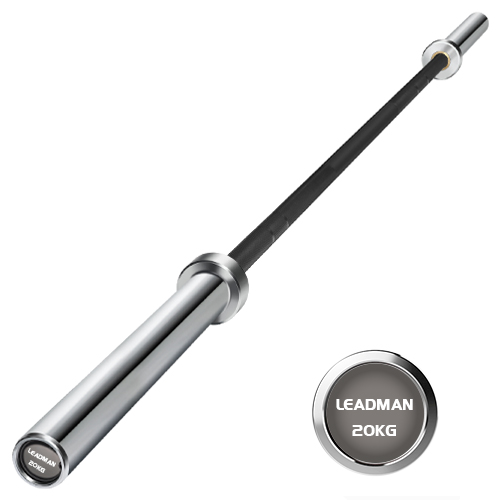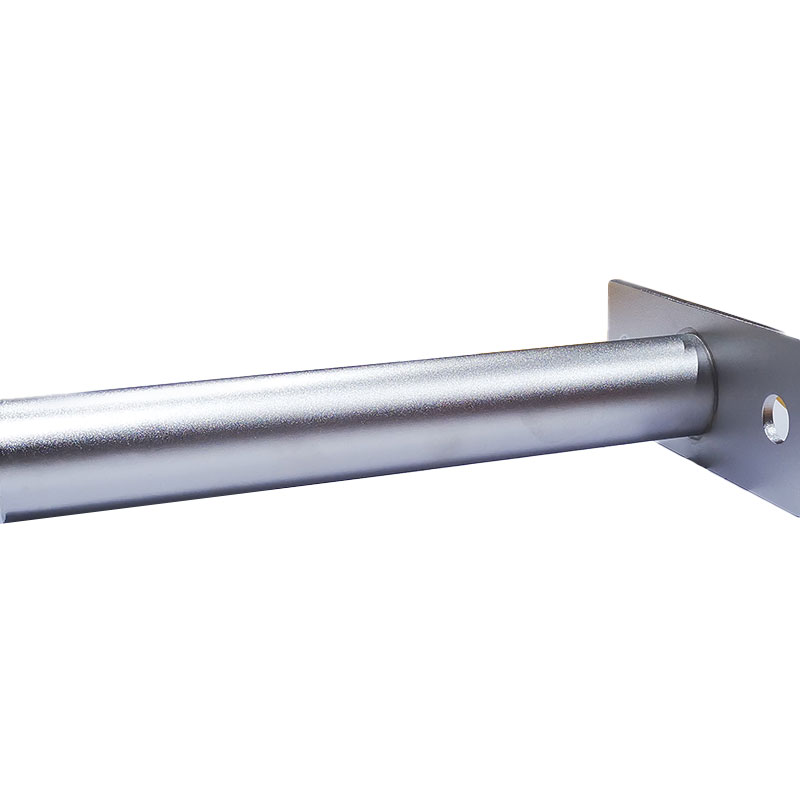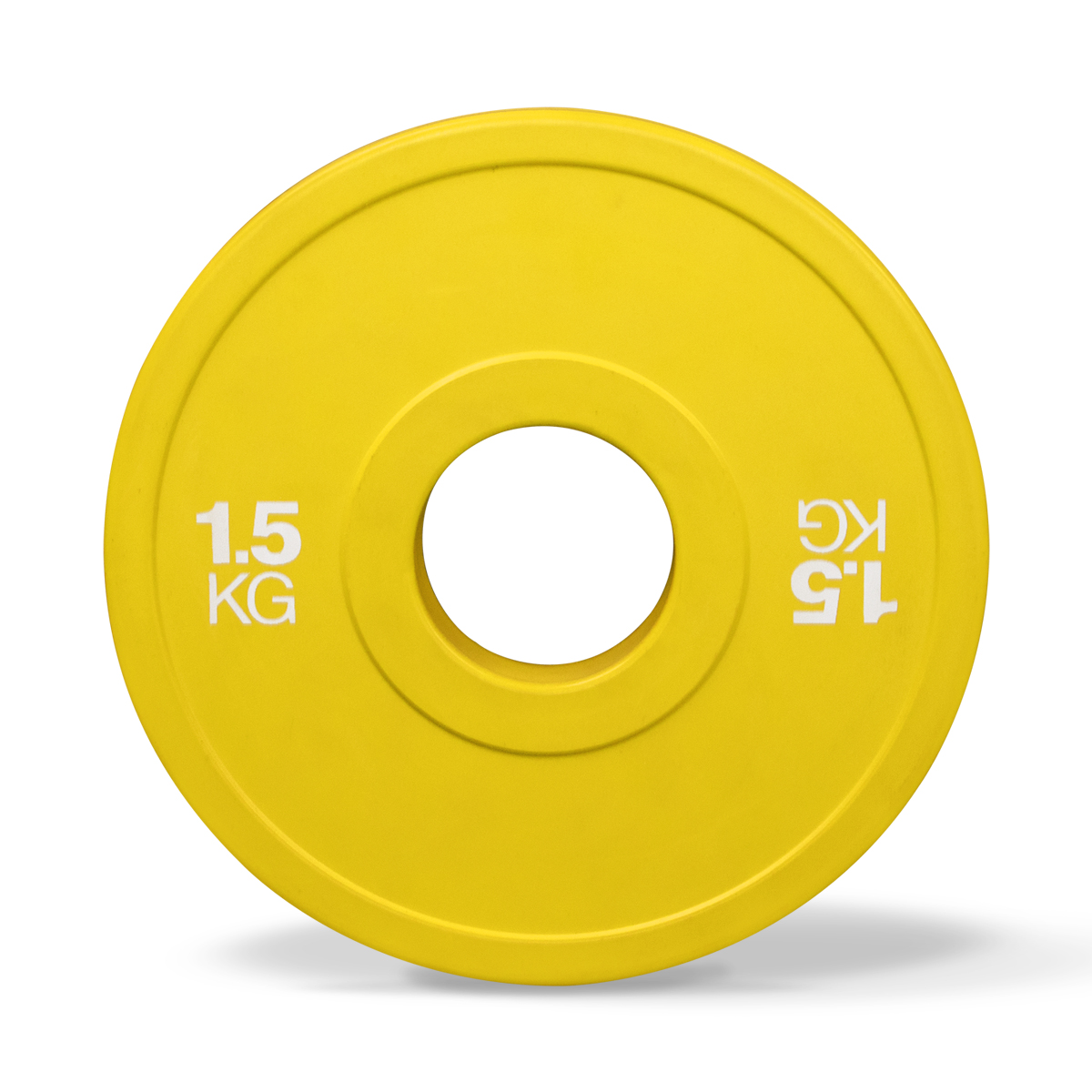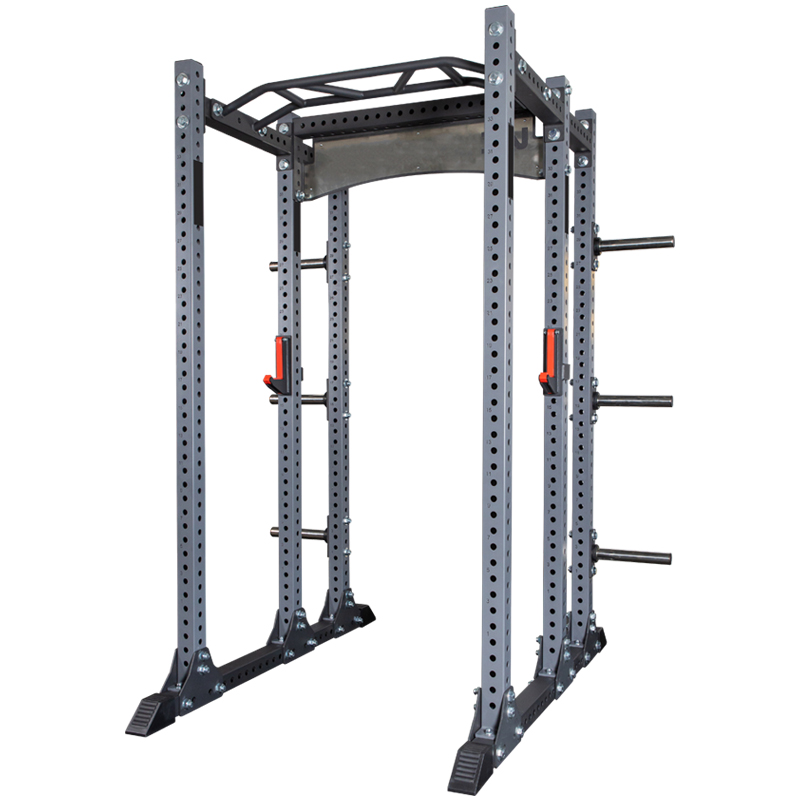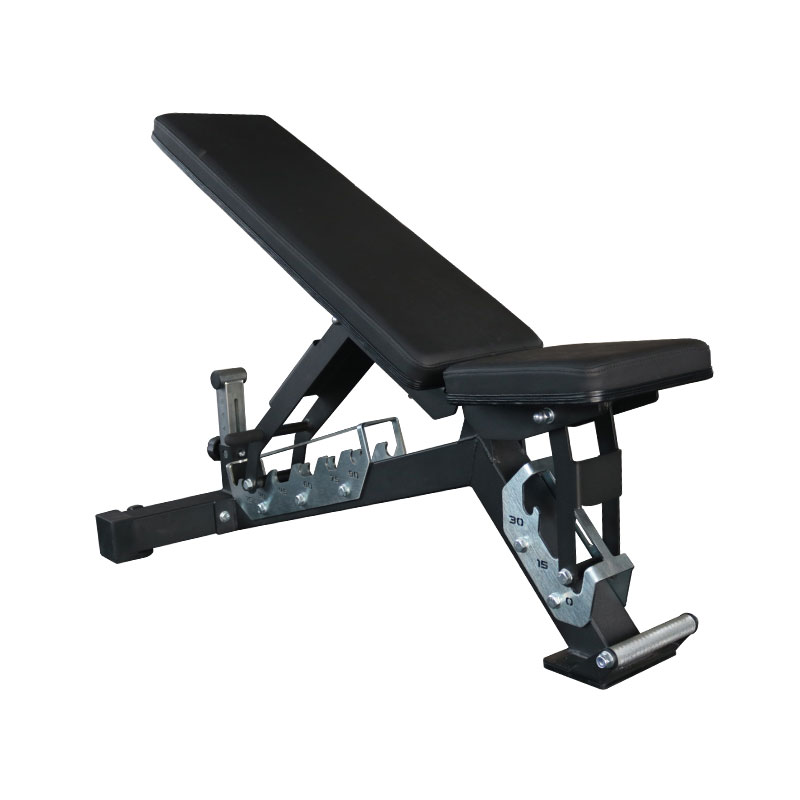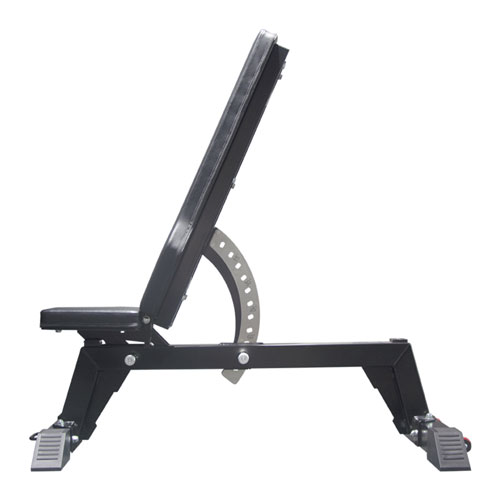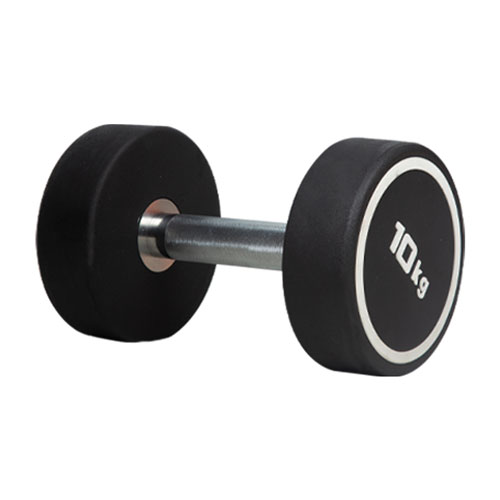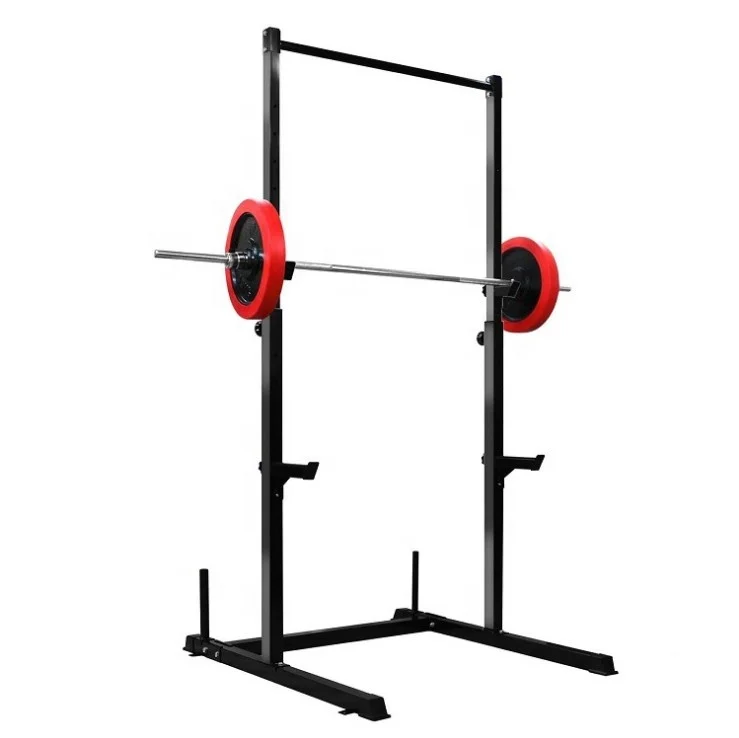
Selecting the right commercial gym equipment suppliers is a critical decision that impacts the long-term operational efficiency, user safety, and durability of any fitness facility. Unlike residential-grade hardware, commercial-grade machinery must withstand high-volume usage, constant mechanical stress, and rigorous maintenance cycles. A qualified supplier provides more than just physical units; they offer engineering reliability and specialized logistical support.
Core Selection Criteria for Procurement Professionals
When evaluating potential manufacturing partners, professionals should focus on several key technical dimensions: Structural Integrity, Mechanical Precision, and Material Compliance. High-quality suppliers utilize heavy-gauge steel construction and precision-engineered bearings to ensure smooth resistance profiles in both strength and cardiovascular machines. It is essential to verify that the supplier adheres to international safety standards and uses industrial-grade upholstery and coatings that are resistant to sweat, UV exposure, and heavy impact.
Categorization of Commercial Equipment Tiers
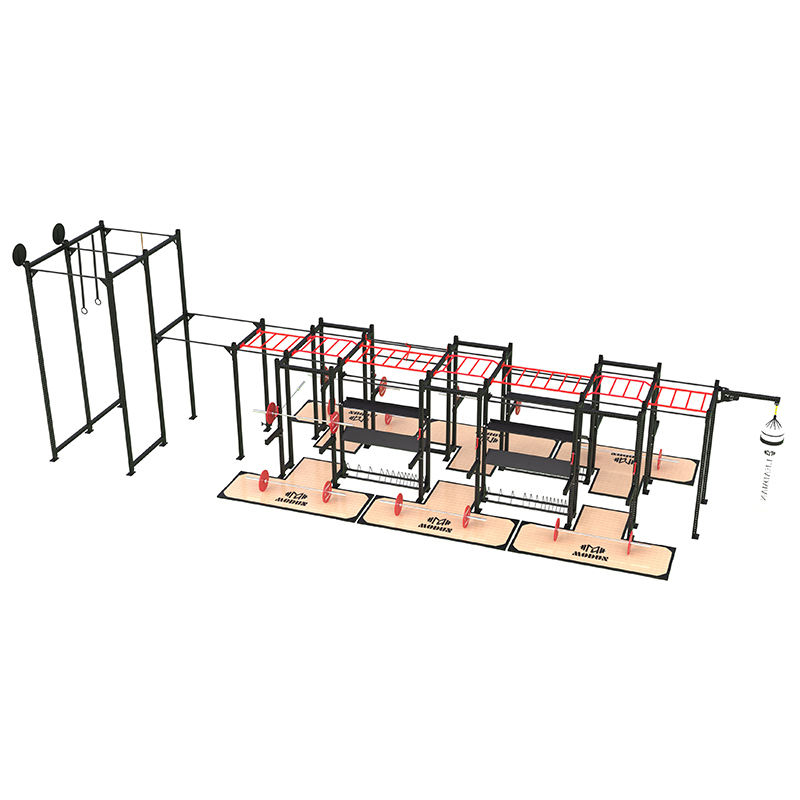
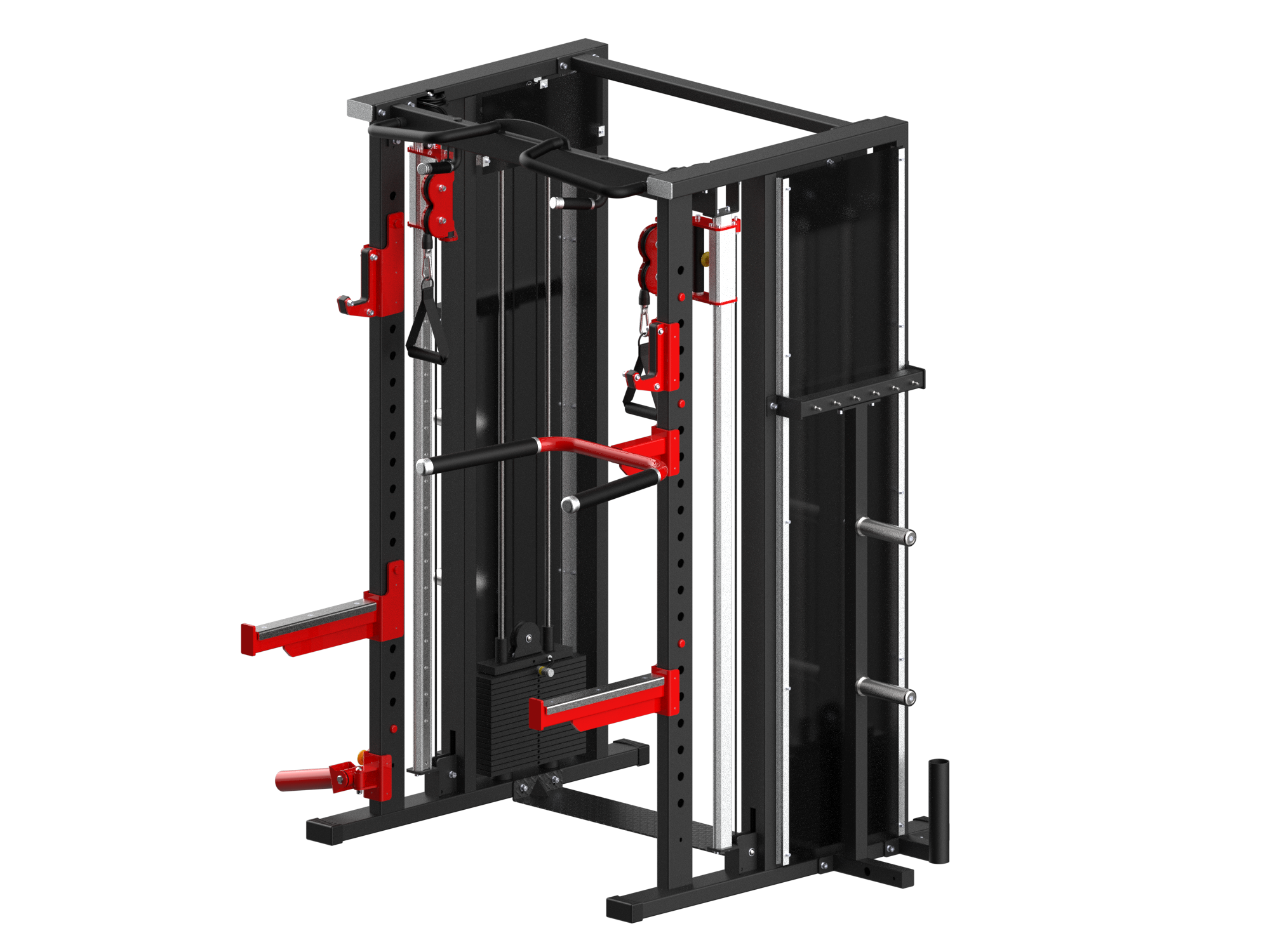
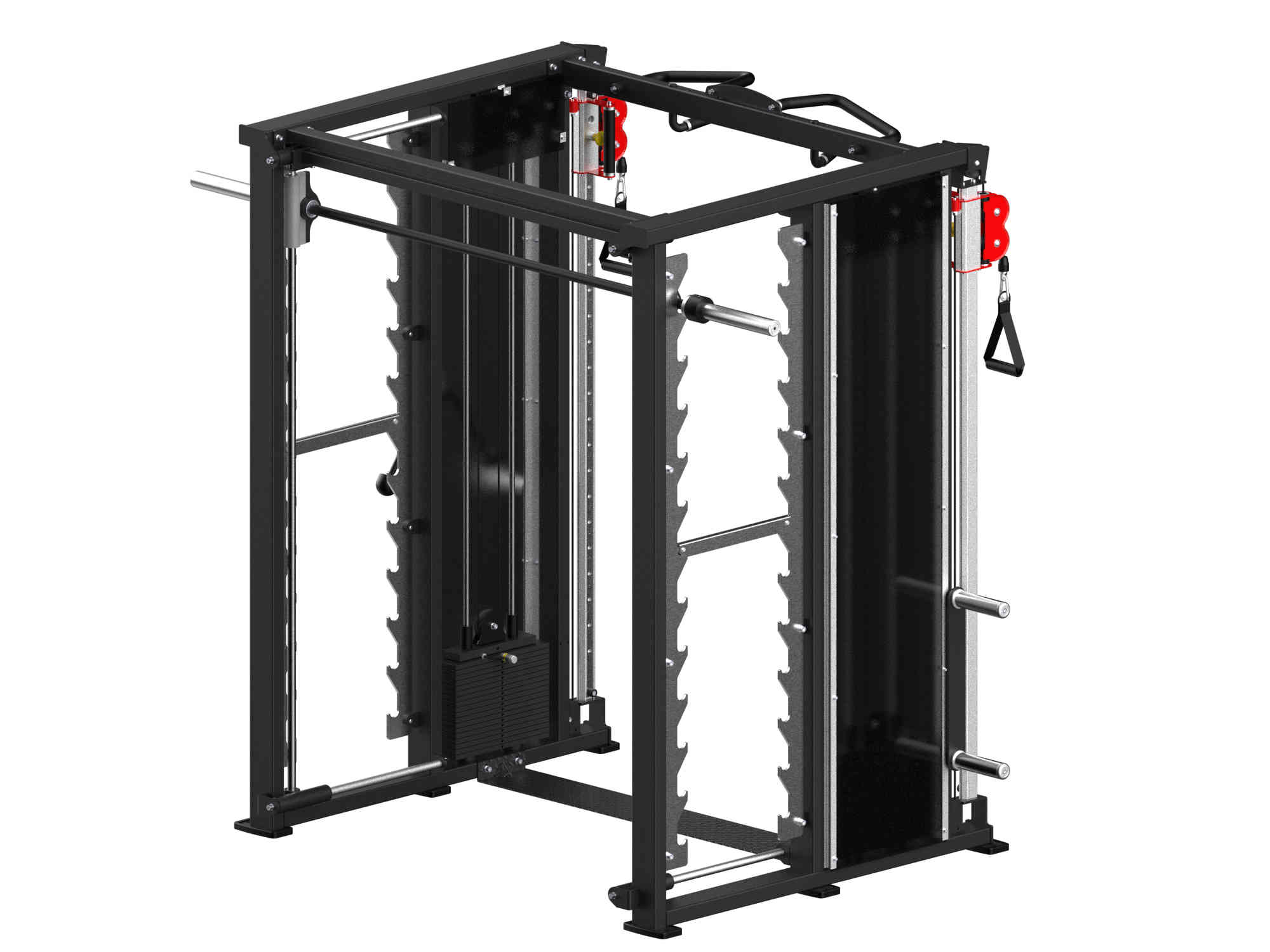
Suppliers typically specialize in specific segments of the fitness market. Understanding these specializations helps in optimizing the procurement process:
Strategic Sourcing and Logistics
A professional supplier must demonstrate robust supply chain capabilities. This includes the ability to manage large-scale shipping logistics, provide detailed technical documentation, and offer comprehensive after-sales service. Reliable partners provide detailed CAD drawings for facility planning, assembly guides, and a consistent supply of replacement parts to minimize equipment downtime. Whether you are outfitting a single high-end boutique studio or a large-scale multi-location fitness franchise, your supplier choice determines the total cost of ownership (TCO) over the equipment's lifecycle.