
Optimizing Facility Safety with Soft Weight Plates
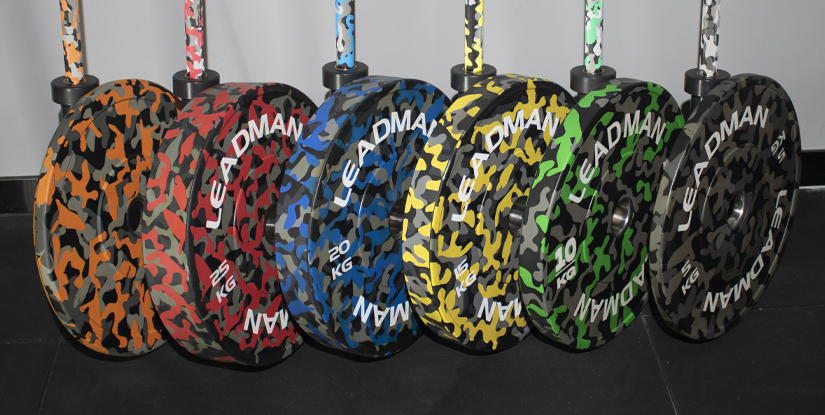
Understanding Soft Weight Plate Mechanics and Material Composition
Selecting the appropriate loading equipment for a commercial or high-end boutique fitness facility requires a deep understanding of density and impact absorption. Unlike traditional iron or rubber-coated bumper plates, Soft Weight Plates utilize high-density foam cores encased in specialized synthetic skins. This construction is designed specifically to mitigate the kinetic energy transfer during high-velocity drops and to provide a safer environment for members in close-proximity training zones.
The Science of Impact Mitigation
The primary mechanism of action for these plates is the dissipation of force through cellular compression. When a plate hits the floor, the internal foam structure undergoes controlled deformation, spreading the impact force over a larger surface area and a longer duration. This prevents the sudden, jarring shock typical of solid steel or dense vulcanized rubber. For facility operators, this translates to reduced structural vibration and extended longevity of the subfloor and surrounding equipment.
Density and Shore Hardness Considerations
In the selection process, professionals must evaluate the Shore hardness of the outer casing. A casing that is too soft may suffer from permanent deformation or 'bruising' under heavy loads, while a casing that is too hard loses the primary safety benefit. High-quality options typically feature a dual-layer construction: a resilient center for impact and a high-tensile outer skin for abrasion resistance. Choosing the wrong density can lead to premature material fatigue or improper load distribution on the barbell.
Once the material science is understood, the next critical step involves assessing how these plates perform under specific operational load requirements.
Comparing Material Performance: Soft vs. Standard Bumper Plates
Deciding between traditional bumper plates and soft-core alternatives is rarely about weight alone; it is about the specific environment of the training floor. While standard bumper plates are the industry staple for heavy lifting, they possess a high degree of rebound and a significant 'thud' that can cause structural resonance in multi-story buildings.
| Feature | Standard Bumper Plates | Soft Weight Plates | Operator Impact |
|---|---|---|---|
| Impact Noise | Moderate to High | Very Low | Essential for multi-use/hotel gyms |
| Rebound Ratio | Significant | Minimal | Reduces unpredictable bar movement |
| Surface Abrasion | Low (Rubber) | Moderate (Synthetic) | Requires monitoring of skin integrity |
| High-volume drops | Controlled/Functional movement | Determines lifespan in high-traffic zones |
As the table demonstrates, the choice depends heavily on the facility's acoustic and structural constraints. Understanding these trade-offs allows an operator to justify the procurement cost based on long-term facility maintenance savings. This leads directly into the logistical requirements for successful implementation and loading protocols.
Operational Setup and Barbell Compatibility Standards
With the selection criteria established, the focus shifts to how these plates interact with your existing barbell inventory. A common failure mode in facility management occurs when operators attempt to use high-density soft plates on barbells with suboptimal sleeve tolerances, leading to uneven weight distribution and potential bar bending.
Verifying Sleeve Fit and Tolerance
Because soft-core plates can occasionally exhibit slight variations in outer diameter due to their composite nature, the fitment on the barbell sleeve must be precise. Operators should implement a standard verification check during the unboxing phase to ensure the center hole diameter aligns with the barbell specifications. If the fit is too loose, the plates may wobble during dynamic movements, creating an inconsistent center of gravity.
- Check 1: Ensure the center hole is free of manufacturing debris that might prevent a flush fit.
- Check 2: Verify that the plate thickness does not excessively crowd the barbell sleeve, leaving no room for collars.
- Check 3: Test the balance of the bar with a single plate on each side to detect any eccentric weight distribution.
Ensuring a proper fit prevents the physical degradation of both the plate and the barbell, preserving the capital investment. Once the equipment is correctly loaded, the focus must move to the long-term maintenance of the material integrity.
Related reading:
Preventative Maintenance and Surface Integrity Inspections
Maintaining the professional appearance and functional safety of your equipment is a continuous process. Unlike iron, which is largely inert, the synthetic skins of Soft Weight Plates are susceptible to environmental factors and mechanical wear. Failure to implement a routine inspection can result in torn skins, which expose the internal foam to moisture and degradation.
Daily and Weekly Inspection Checklists
Facility managers should integrate a visual inspection into their standard closing or opening procedures. The goal is to identify micro-tears or discoloration before they become catastrophic failures.
| Inspection Frequency | Focus Area | Action Required |
|---|---|---|
| Daily (Visual) | Outer skin integrity and surface cleanliness | Wipe down with a damp cloth; report any tears immediately. |
| Weekly (Tactile) | Compression memory and density consistency | Press the plate surface to check for permanent indentations or soft spots. |
| Center hole wear and sleeve fitment | Verify the plate still sits securely on the bar without excessive play. |
By following this structured approach, operators can mitigate the risk of material fatigue. If a plate fails an inspection, it must be removed from circulation immediately to prevent injury or further damage. This rigor in maintenance is particularly vital when preparing for high-capacity usage periods or seasonal surges.
Related reading:
Troubleshooting Common Failure Modes in Soft Core Equipment
Despite high-quality construction, certain operational errors can lead to premature failure of the equipment. Most issues stem from improper storage or the use of the plates in contexts for which they were not engineered. Recognizing these causes allows for faster resolution and better staff training.
Problem: Surface Cracking or Delamination
Cause: This is frequently caused by exposure to extreme temperature fluctuations or the use of harsh chemical cleaners that strip the synthetic coating. Fix: Transition to a pH-neutral, non-abrasive cleaner and ensure the facility's HVAC system maintains a stable environment. Verification: Check if the cracking persists after cleaning; if it is a deep fissure, the plate must be decommissioned.
Problem: Permanent Compression (Deformation)
Cause: Stacking the plates vertically under heavy weight for extended periods without a dedicated rack can crush the internal foam cells. Fix: Always store plates horizontally or in a specialized vertical rack designed for the specific weight class. Verification: Measure the thickness of the plate at several points; if it is uneven, the core has been compromised.
Addressing these issues proactively ensures that the equipment remains a reliable asset rather than a liability. Proper troubleshooting knowledge forms the basis of a safe, long-term operational strategy.
Related reading:
Optimizing Floor Load and Spatial Layout
The implementation of soft-core equipment should also consider the wider facility layout, specifically regarding floor-load constraints and the density of the training area. While these plates reduce impact shock, they do not eliminate the total static load placed on the building structure.
Floor Load and Subfloor Interaction
When planning the placement of heavy lifting zones, operators must calculate the total static weight of a loaded barbell plus the weight of the lifter. In environments such as hotel gyms or high-rise fitness clubs, even with the benefits of Soft Weight Plates, excessive concentrated loads can lead to subfloor deflection. It is recommended to use a high-density rubber flooring system (at least 20mm thickness) in conjunction with these plates to provide a secondary layer of vibration damping.
Spatial Density and Safety Buffers
Because these plates are often used in functional training and high-intensity interval training (HIIT) environments, the space required around the equipment must account for lateral movement. A common mistake is failing to provide adequate 'buffer zones' between the weights and other moving objects. Ensure that the footprint of the barbell, including the diameter of the plates, is clearly marked in your facility'ality layout to prevent collisions during high-speed training sessions.
With the layout and safety protocols in place, the final step is to establish a rigorous verification cycle to maintain high standards of service.
Related reading:
Verification of Performance and Lifespan Metrics
To determine the true ROI of your equipment, you must be able to verify its ongoing performance against the initial benchmarks. This is not merely a matter of looking for visible damage, but of assessing functional consistency over time.
Implementing a Performance Audit
A professional facility audit should include a weight verification step. Over time, through heavy use and environmental exposure, some composite materials may undergo minor mass changes, although this is rare in high-quality products. Periodically weighing a sample of plates can ensure that the equipment remains compliant with the standards promised during procurement. Furthermore, evaluating the 'bounce' or rebound consistency of the plates during standard drops can serve as a qualitative indicator of the foam's current health.
- Audit Step 1: Weigh a 10kg, 20kg, and 25kg sample to check for variance.
- Audit Step 2: Perform a controlled drop test on a standardized flooring surface to note any changes in rebound height.
- Audit Step 3: Document all findings in a digital maintenance log for long-term trend analysis.
Regularly documenting these metrics allows for data-driven decisions regarding future procurement and equipment replacement cycles. By following these professional standards, you ensure that your facility remains a premier destination for high-performance training.