Progressive Overload with Weight Plates—A Practical Guide
Progressive overload is the fundamental principle of muscle hypertrophy and strength development. At its core, it involves the systematic increase of stress placed upon the body during exercise. While many lifters focus solely on adding more weight to a barbell, the most effective way to achieve long-term results is through the strategic use of different weight plates to manipulate resistance. This guide provides a deep dive into mastering progressive overload using various plate types and loading techniques.
The Fundamental Principles of Progressive Overload
Before diving into the technicalities of plate selection, one must understand that progressive overload is more than just adding weight. It is about the continuous adaptation of the musculoskeletal system to a stimulus. By utilizing weight plates effectively, you can manipulate volume, intensity, and density to ensure your body never hits a stagnant state. This process requires a nuanced approach to how you select and stack your resistance.
Once you understand the basic physiological need for increasing stimulus, the next logical step is choosing the right tools for the job, starting with the specific types of plates available in the market.
Related reading:
What's the Difference Between a Cheap Yoga Mat and an Expensive One
Understanding Different Weight Plate Types
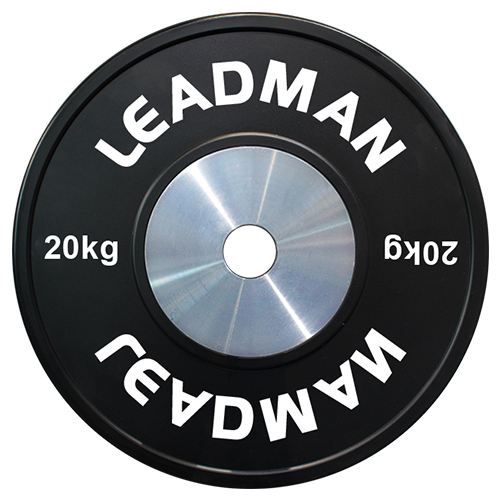
Building upon the need for systematic stimulus, we must look at the tools used to deliver that stimulus. Not all weight plates are created equal; each serves a specific purpose in a training regimen. Standard iron plates are excellent for foundational strength, while bumper plates are designed for high-impact movements. For those looking to refine their precision, fractional or micro-plates become essential tools in the kit.
Each of these plate types offers unique advantages regarding durability, precision, and safety, which leads us to how these specific characteristics influence your lifting technique.
Related reading:
Precision Loading with Steel and Cast Iron Plates
In addition to recognizing the general types of plates, it is crucial to understand the distinction between precision-focused steel and durable cast iron. Steel plates are often calibrated to a higher standard of weight accuracy, making them the gold standard for powerlifting where every gram counts. Cast iron, while slightly less precise in some mass-produced forms, offers incredible longevity and a rugged feel that many traditional lifters prefer.
The precision of your plates directly impacts your ability to implement small increments, a concept we will explore in the following section regarding micro-loading.
The Power of Micro-Loading for Advanced Lifters
While steel and cast iron provide the foundation, the real secret to breaking plateaus lies in micro-loading. As you move into advanced training phases, jumping by 5kg or even 2.5kg increments can become too aggressive and may lead to form breakdown. Micro-loading involves using fractional plates—often weighing as little as 0.1kg to 0.5kg—to ensure constant, incremental progress.
Successfully implementing micro-loading requires a high level of discipline and, more importantly, the right equipment to support these tiny changes in resistance.
Bumper Plates vs. Standard Plates in Progression
Moving from the concept of micro-loading to practical application, many lifters must decide between using bumper plates or standard steel plates. Bumper plates are essential for Olympic lifting where the bar is dropped frequently, providing a level of safety and shock absorption. However, they can sometimes lack the extreme precision found in calibrated steel plates, which might slightly hinder the micro-loading process.
Selecting the right plate type is only half the battle; you must also ensure that the plates are loaded in a way that maintains the balance and safety of the barbell.
Optimizing Weight Distribution and Barbell Balance
Following the discussion on plate selection, we must address the critical factor of weight distribution. Even with high-quality plates, an unbalanced barbell can lead to injury or diminished performance. Ensuring that the weight on each side of the bar is identical—not just in total mass, but in the way it is distributed across the sleeves—is paramount for structural integrity and consistent lifting.
A well-balanced load is the prerequisite for a successful training session, but even the best-loaded bar requires regular maintenance to remain effective.
Related reading:
Maintenance and Inspection Protocols
In relation to maintaining a balanced load, it is vital to perform regular inspections of your equipment. Rust on cast iron plates or cracks in rubber-coated bumpers can change the center of gravity and affect the precision of your progressive overload. A systematic check of your plates ensures that your increments remain accurate and your training environment remains safe.
Maintaining your equipment is a long-term investment that prepares you for the next stage of training: hitting and overcoming plateaus.
Related reading:
Overcoming Plateaus with Systematic Adjustments
After establishing a routine of loading, balancing, and maintenance, you will eventually hit a plateau. This is a natural part of the strength journey. When progress stalls, you must revisit the principles of progressive overload by adjusting your increment size. Instead of forcing a large jump with standard plates, pivot back to the micro-loading techniques discussed earlier to find a new path to growth.
By mastering the nuances of weight plate utilization, you transform a simple lifting session into a sophisticated, data-driven progression toward your peak physical potential.