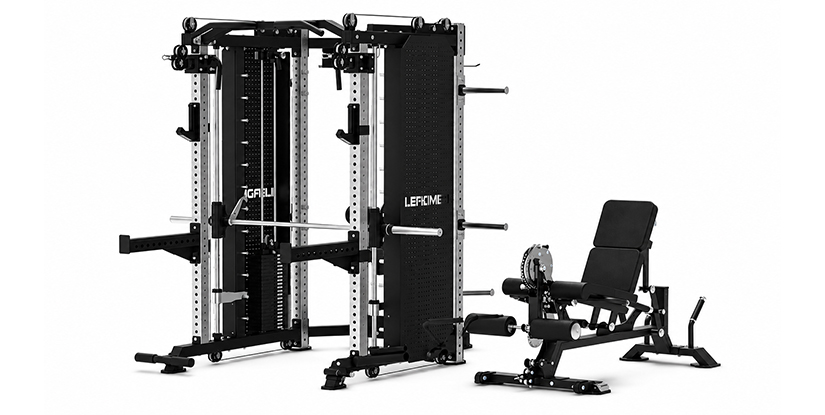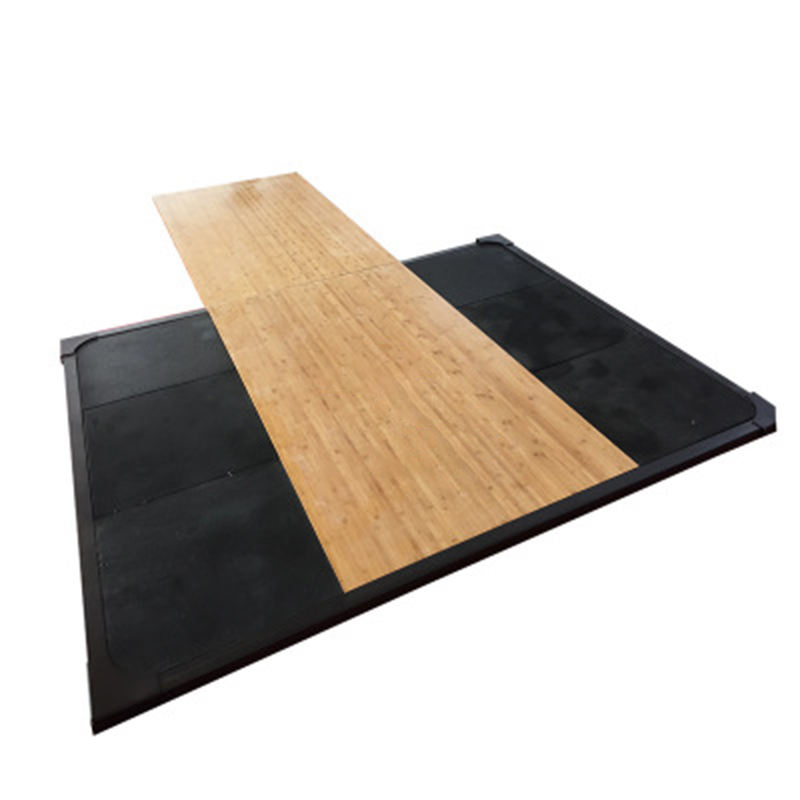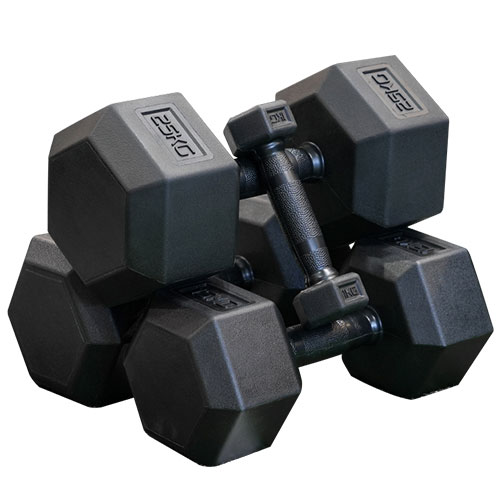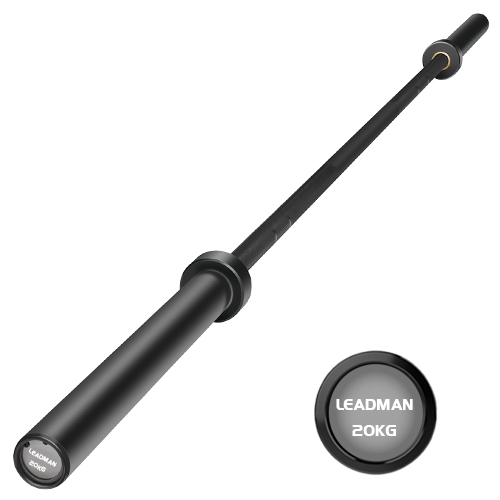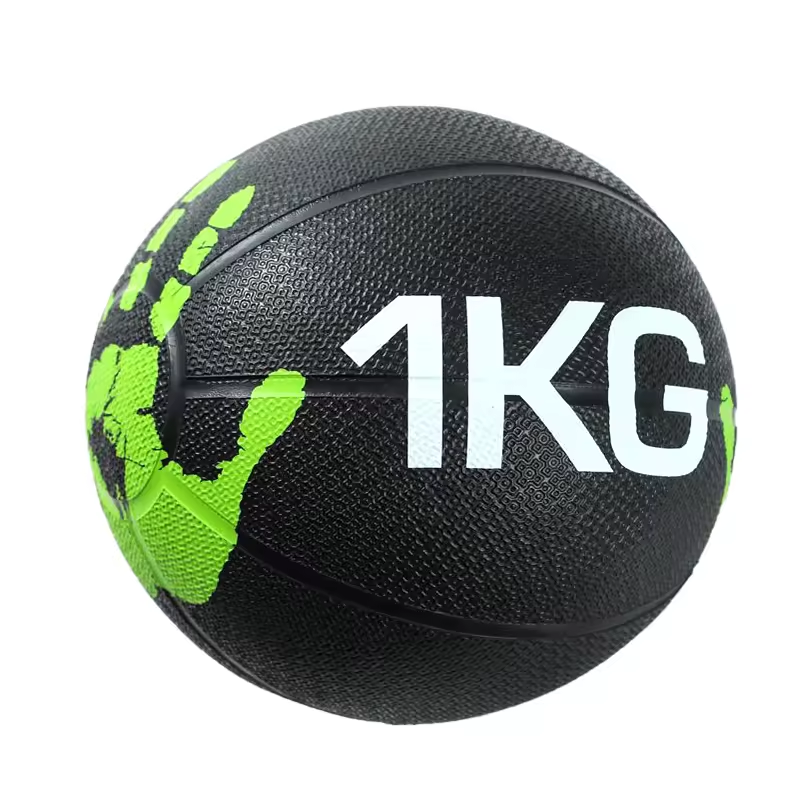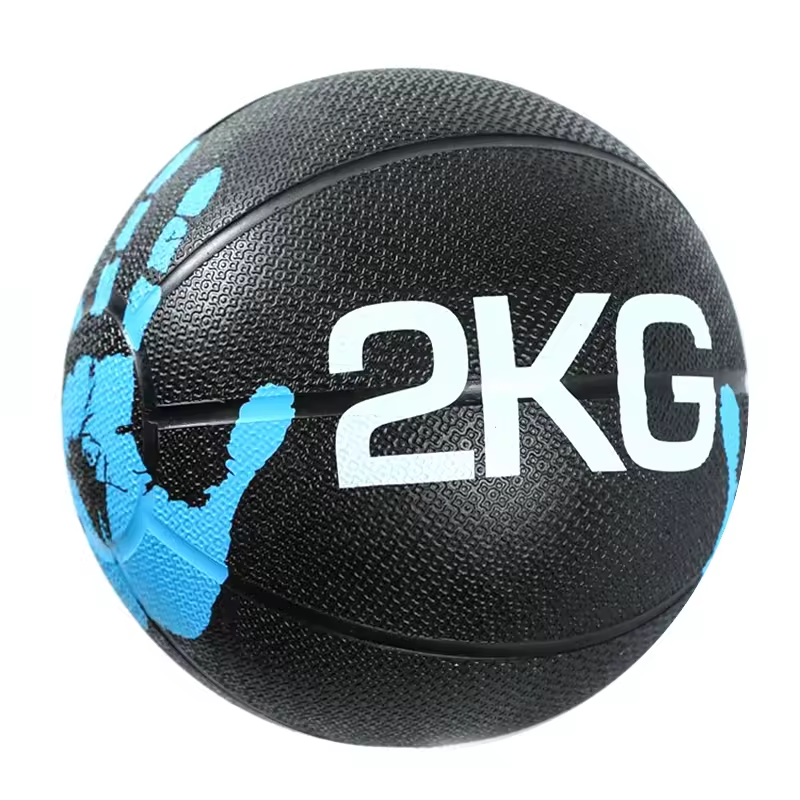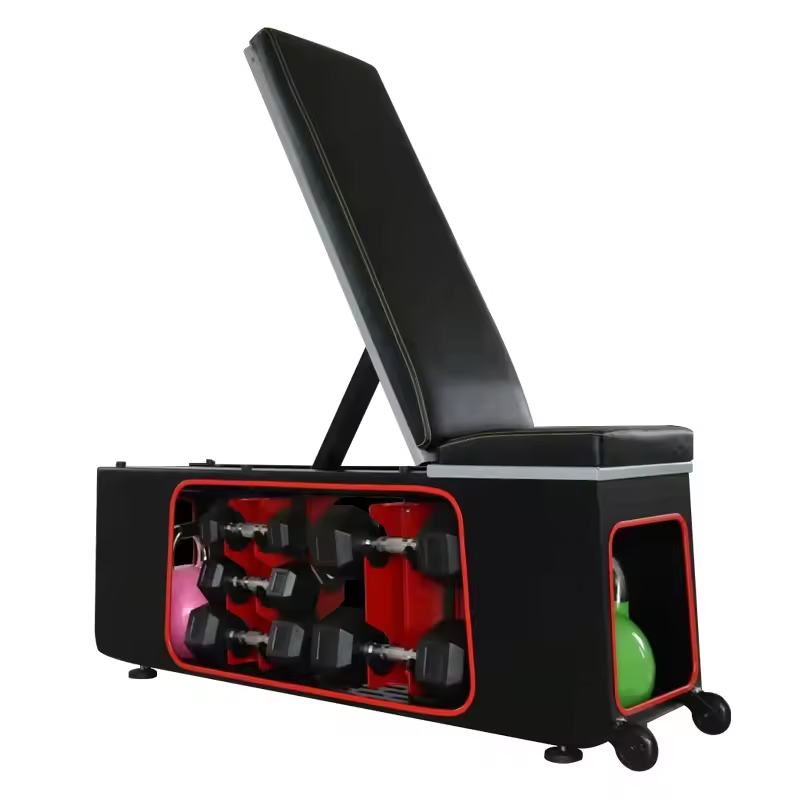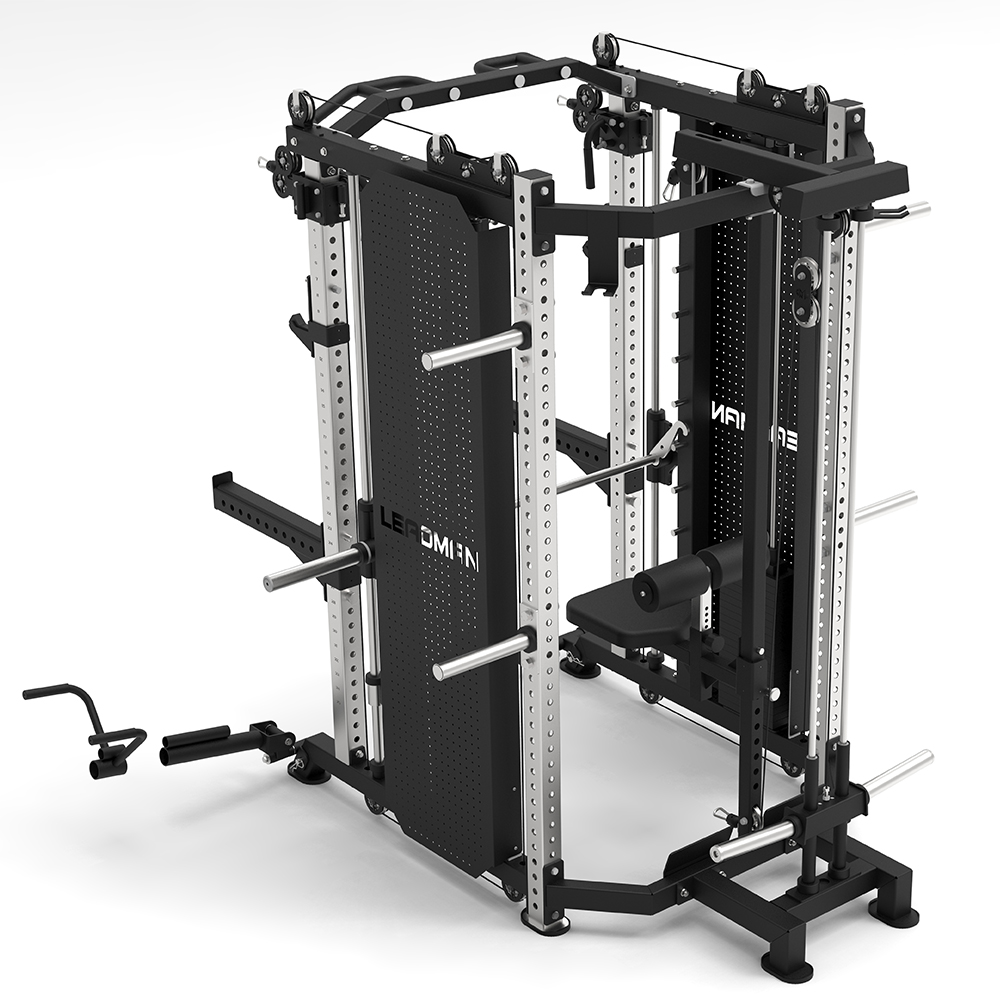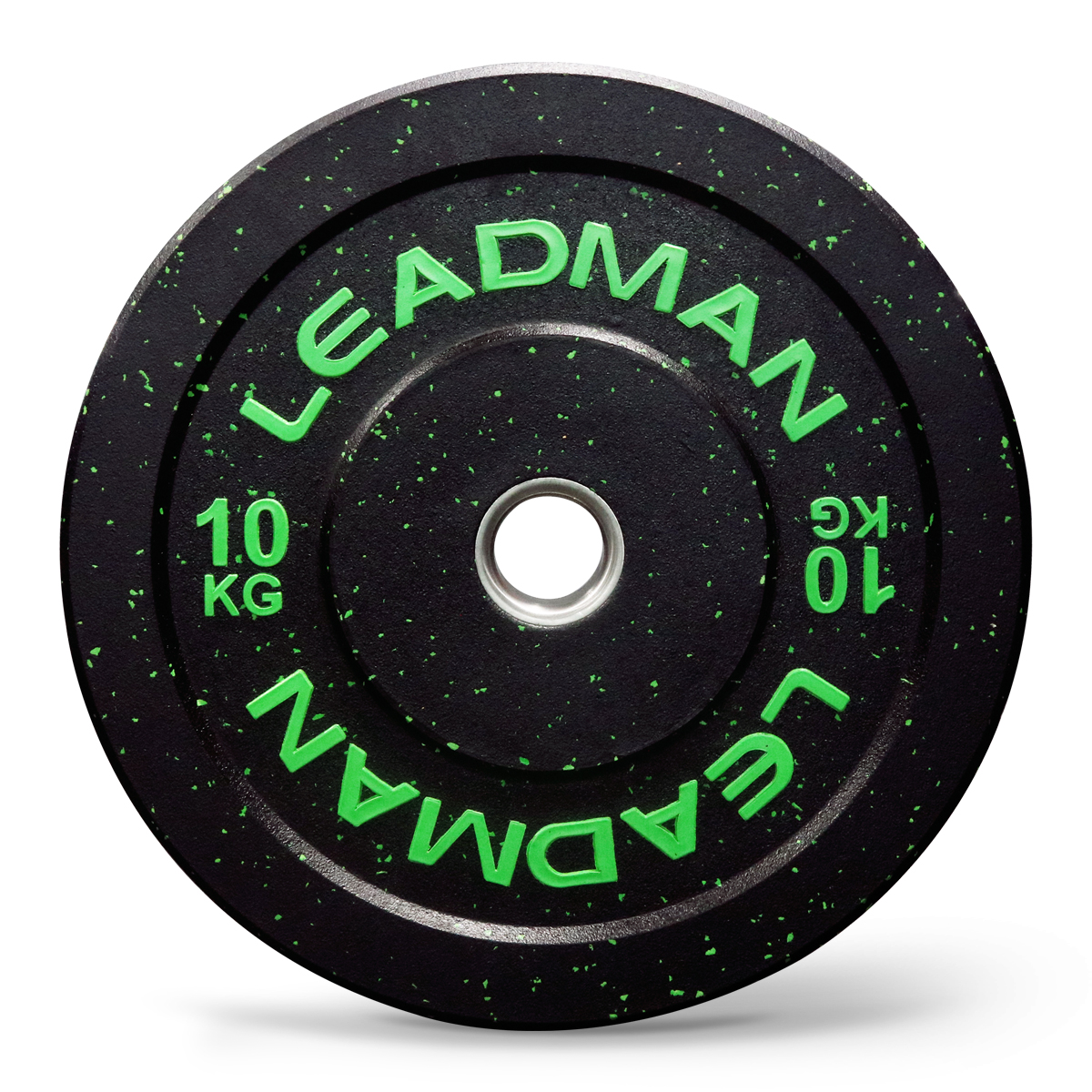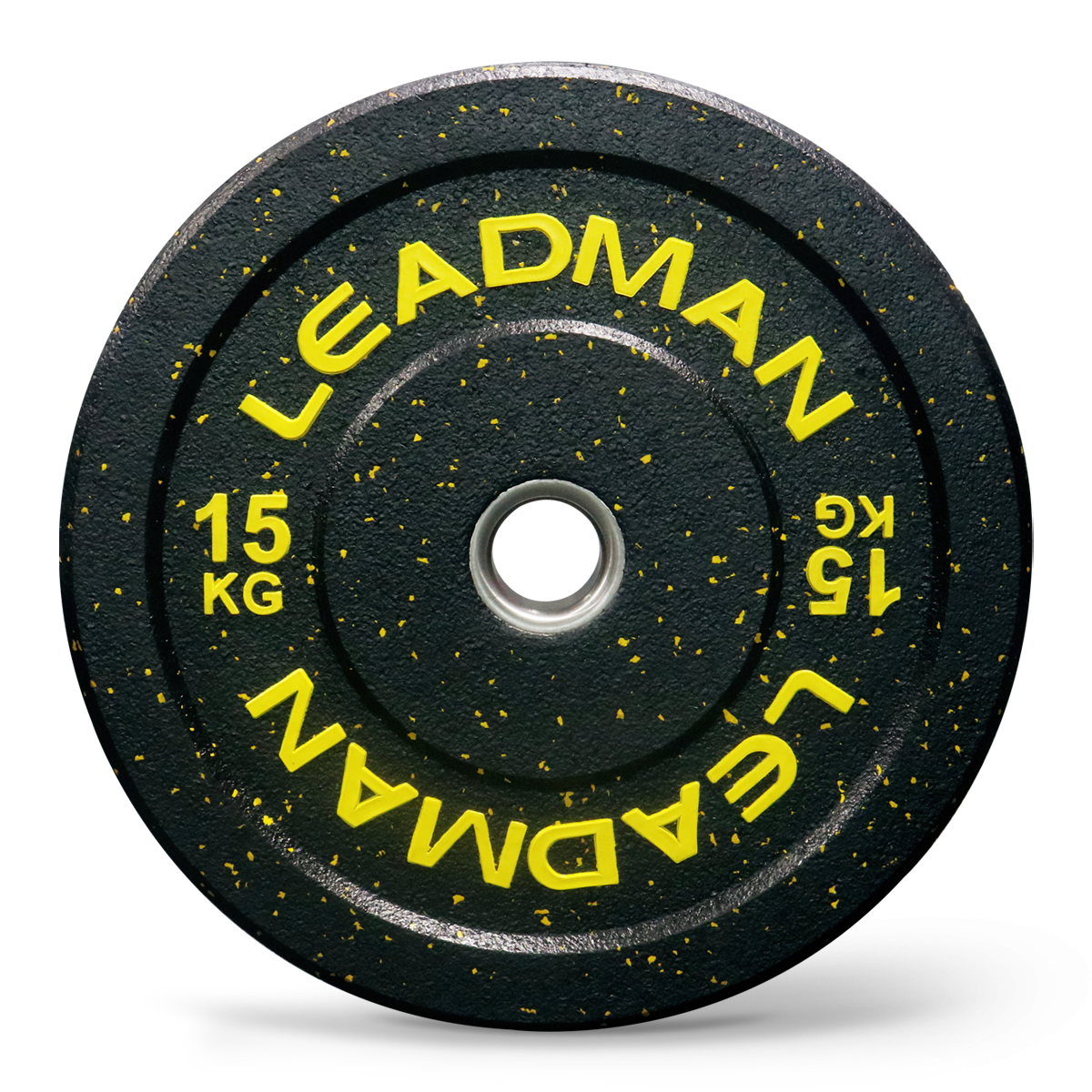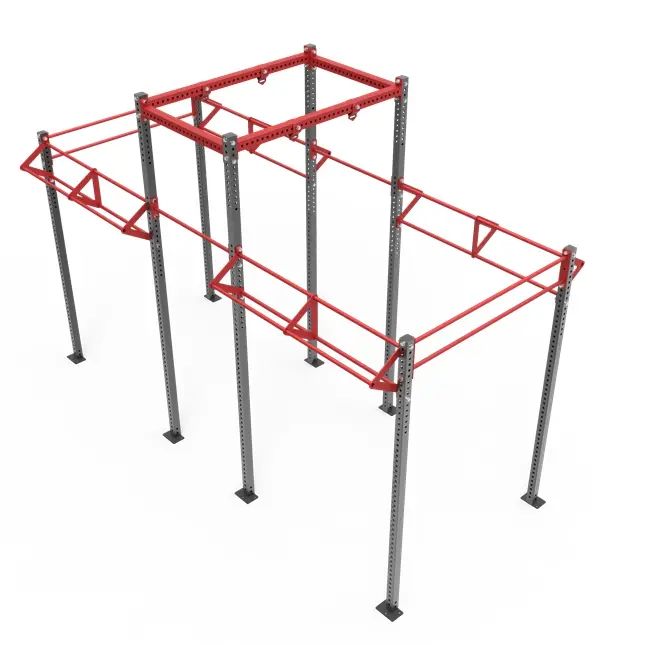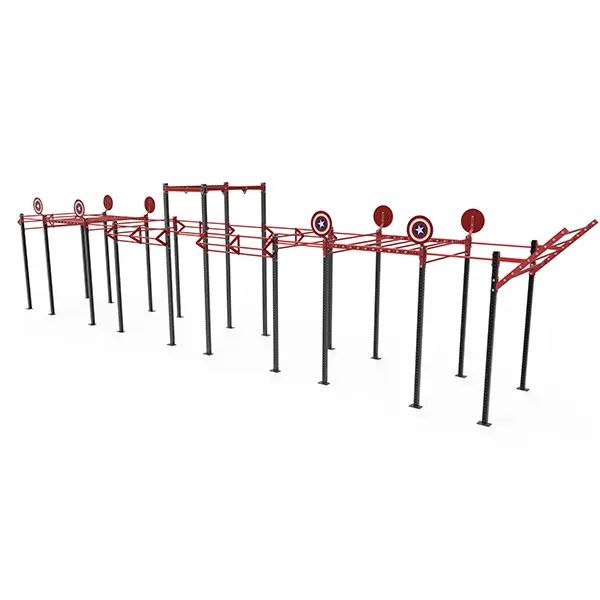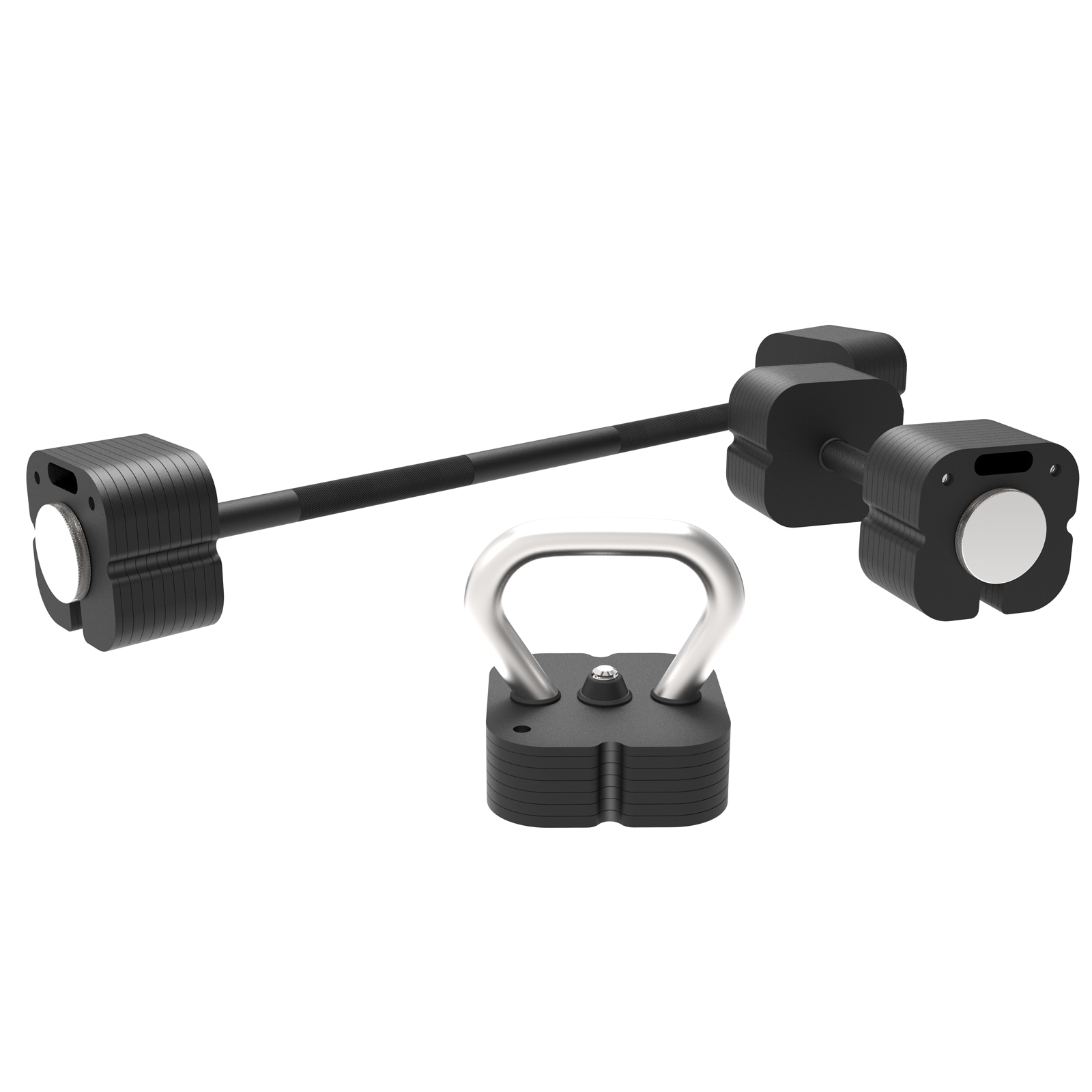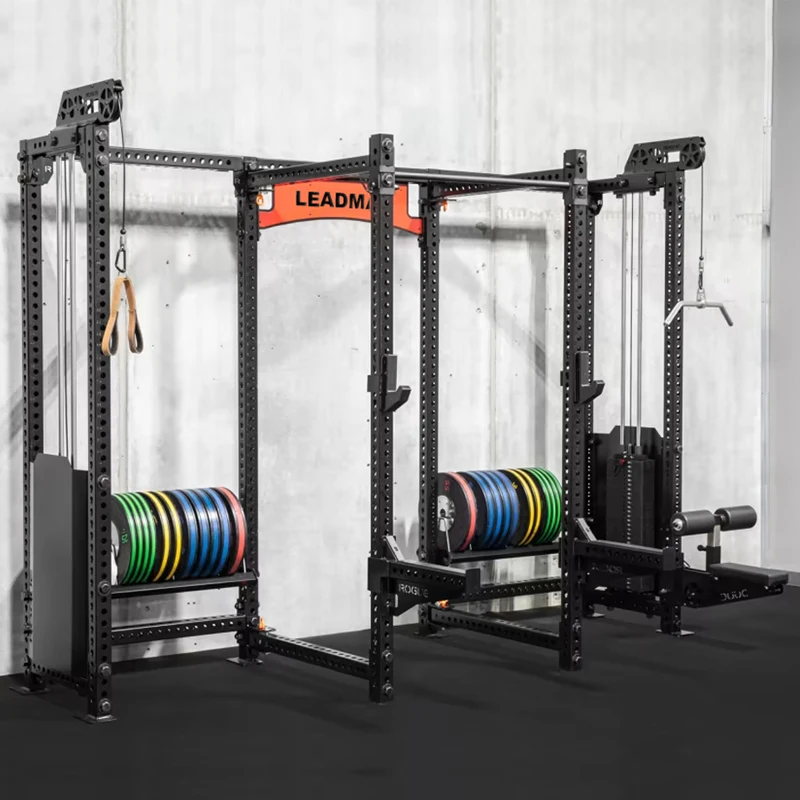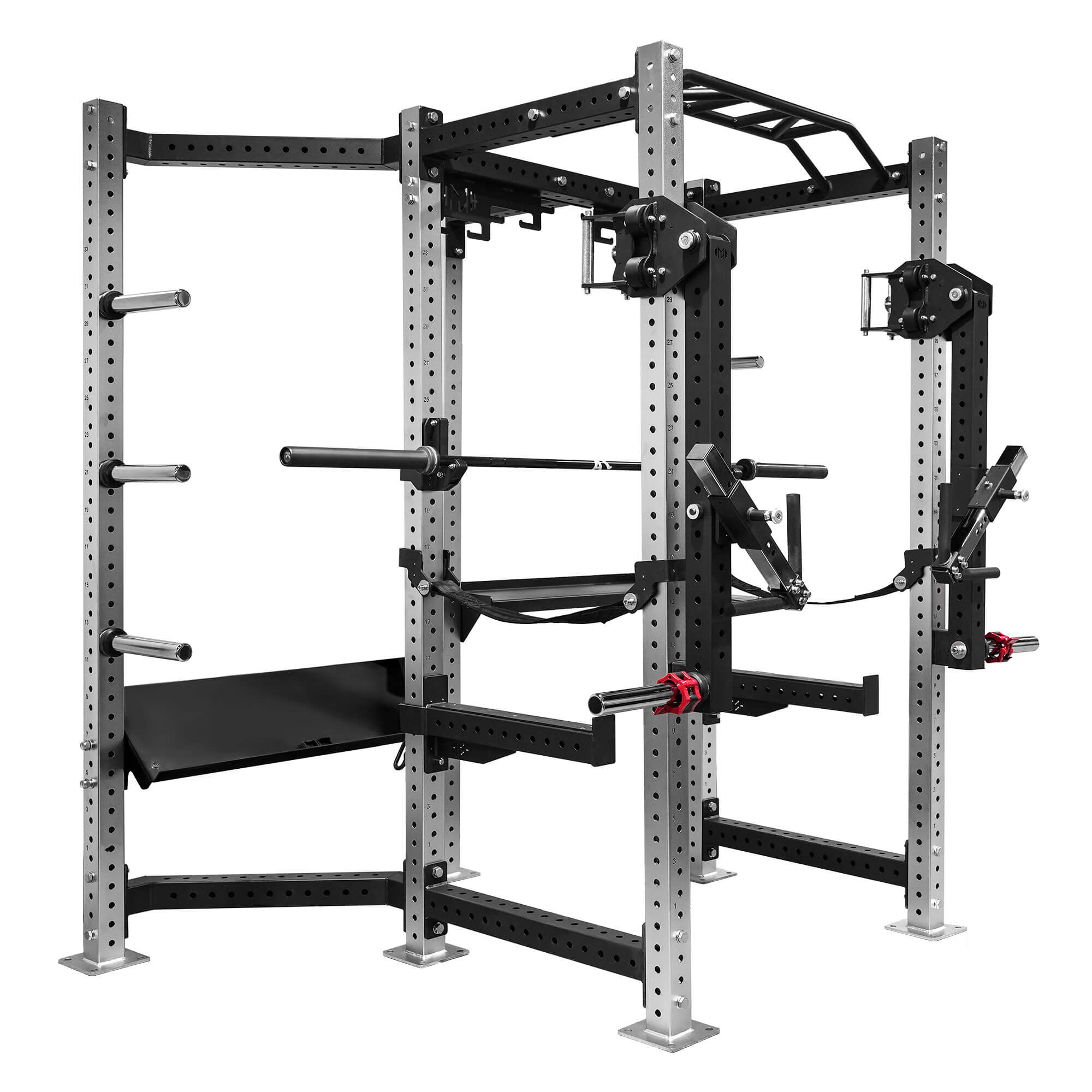
The gym equipment package purchasing model has fundamentally altered how fitness facilities, hotels, and residential complexes procure their gear. Instead of piecemeal acquisitions across multiple vendors—which introduces shipping fragmentation, inconsistent warranty terms, and aesthetic mismatches—buyers now seek a single-source solution that delivers a coordinated suite of strength, cardio, and accessory items. However, the term "package" spans a wide spectrum, from pre-configured "garage gym in a box" bundles to fully customized commercial fit-outs exceeding 200 line items. Understanding where a particular package falls on this spectrum determines whether it serves as a genuine operational advantage or a convenient but suboptimal shortcut.
The financial architecture of a gym equipment package typically yields savings through two mechanisms: volume consolidation and reduced logistics overhead. A facility ordering 12 pieces of cardio equipment, 8 strength stations, 50 barbells, and 300 bumper plates individually would pay separate freight charges from multiple suppliers, often exceeding $4,000-7,000. A single gym equipment package from one manufacturer fills a 40-foot high-cube container (approximately 68 cubic meters) at a flat freight rate of $3,000-5,000 from major Asian ports to North American warehouses. Additionally, suppliers discount packaged orders by 8-15% below ala carte pricing, reflecting their reduced sales administration costs. Audit data from 23 gym openings indicates that buyers using customized packages saved an average of 19% compared to sourcing each category from specialty vendors, while pre-configured "starter packages" saved only 7% due to unnecessary included items.
From an operational continuity perspective, gym equipment package suppliers offering component interchangeability provide significant long-term value. For example, a package where all plate-loaded machines use identical weight horn diameters (50mm) and the same bushing material allows facilities to stock single replacement parts across multiple stations. Similarly, gym equipment package configurations with standardized upholstery colors (e.g., black vinyl across all benches, lat pulldowns, and ab stations) simplify reupholstering cycles—facilities can order 100 meters of matching material rather than managing four distinct color codes. Conversely, packages assembled from multiple OEM sources often use incompatible fasteners (metric vs. imperial), different grip diameters (28mm vs. 30mm barbell sleeves), and non-uniform pulley ratios, creating maintenance headaches that erode initial savings.
Procurement specialists evaluating gym equipment package proposals should scrutinize three often-overlooked elements: spare parts inclusion, installation documentation, and future expansion compatibility. A comprehensive package includes 5-10% overage on wear items (cables, pulleys, pads) and a digital parts catalog with OEM part numbers. The gym equipment package should also provide anchor bolt templates and floor layout drawings—missing these adds $1,200-2,500 in contractor measurement time. For multi-phase builds, verify that the supplier maintains the same frame finishes and upholstery dye lots for at least 36 months, preventing visible mismatches when expanding. The emerging standard in this category includes virtual facility walkthroughs using the supplier's 3D library, allowing buyers to visualize equipment density and traffic flow before committing to container orders.