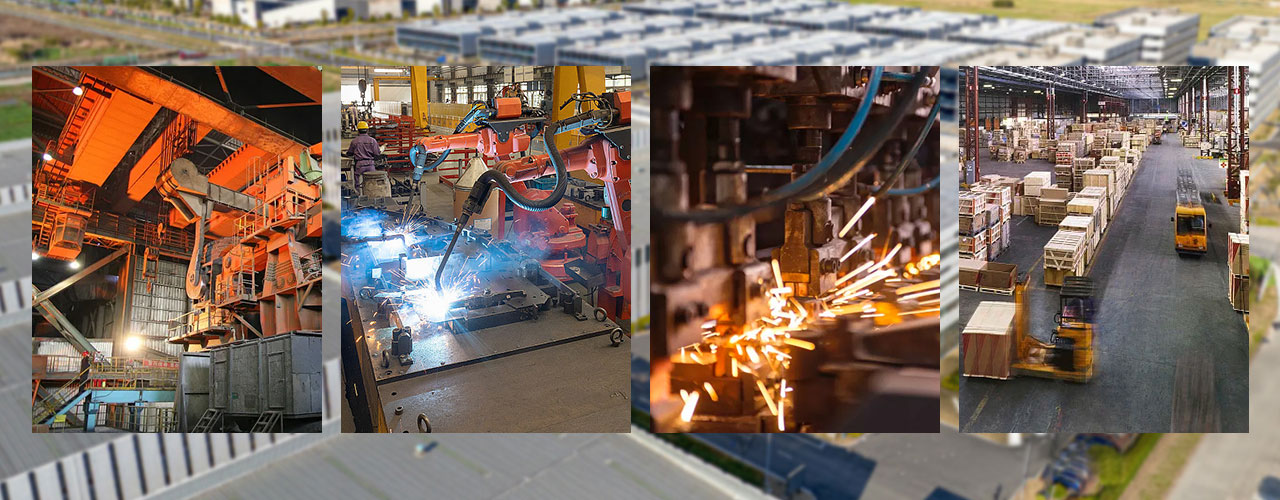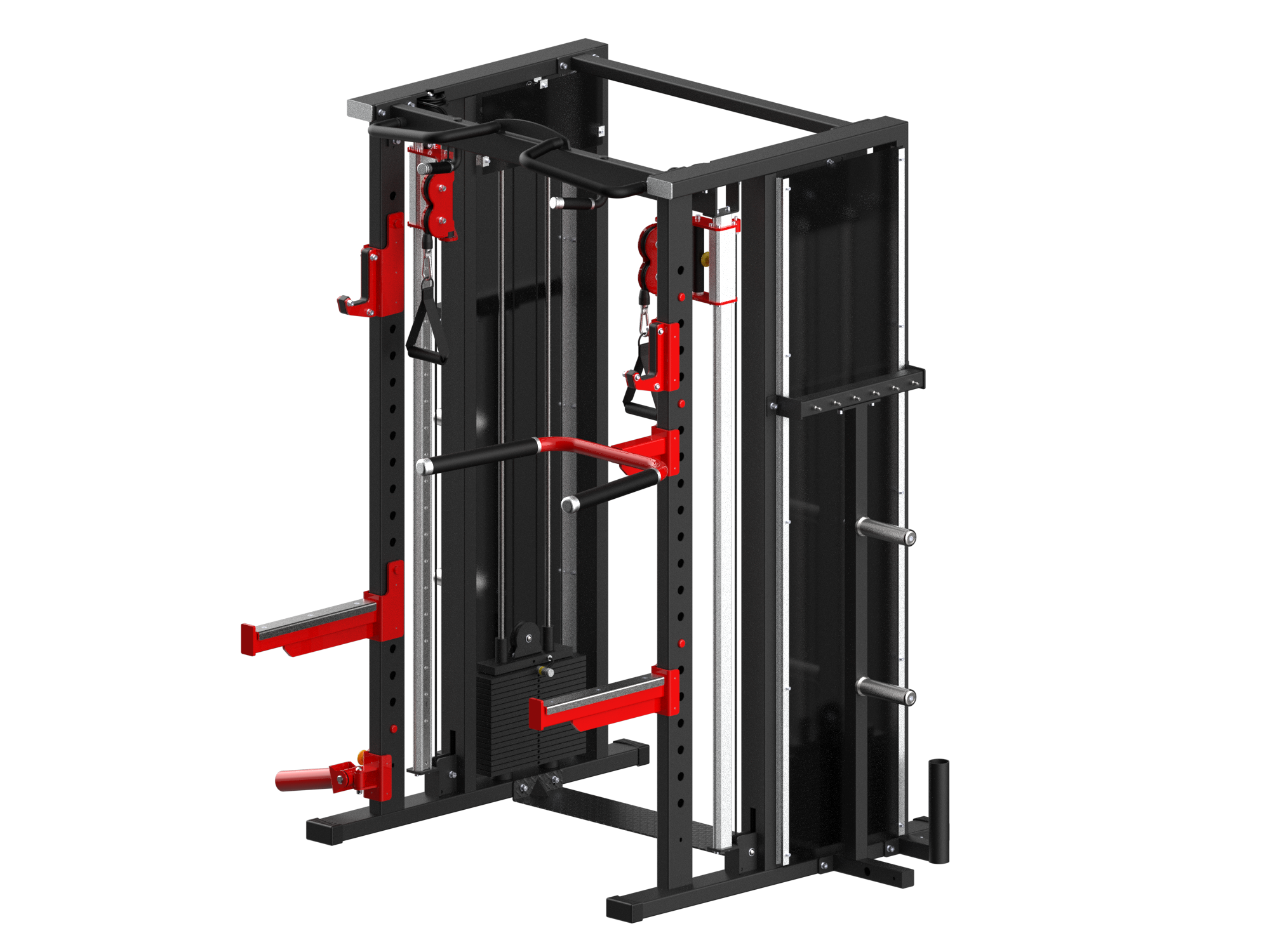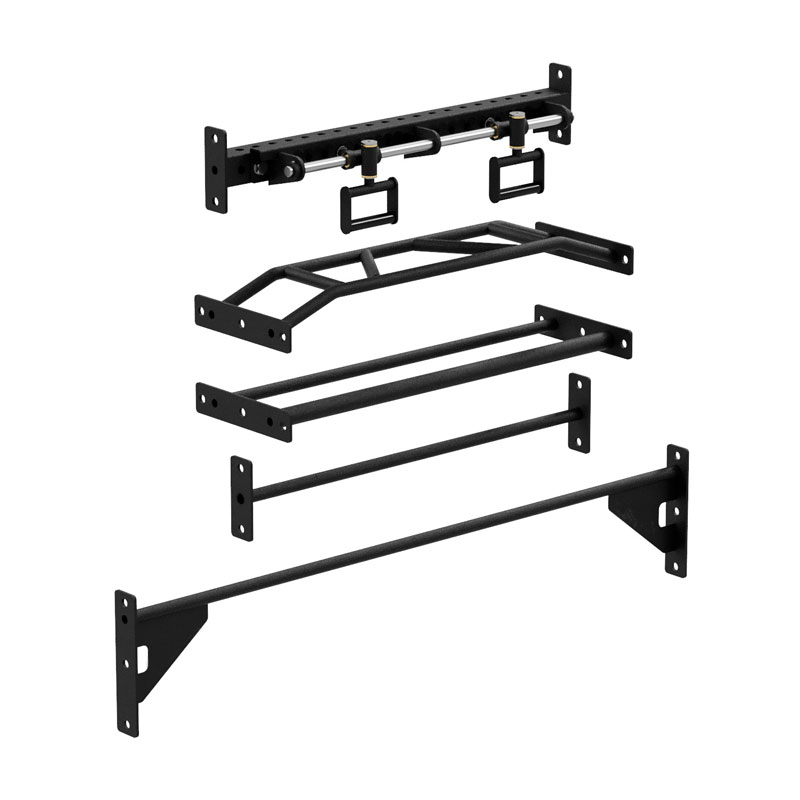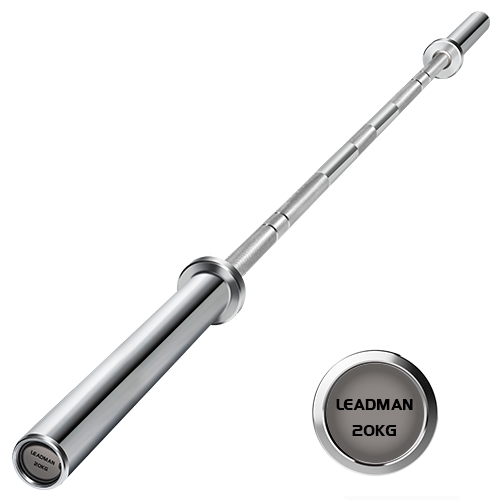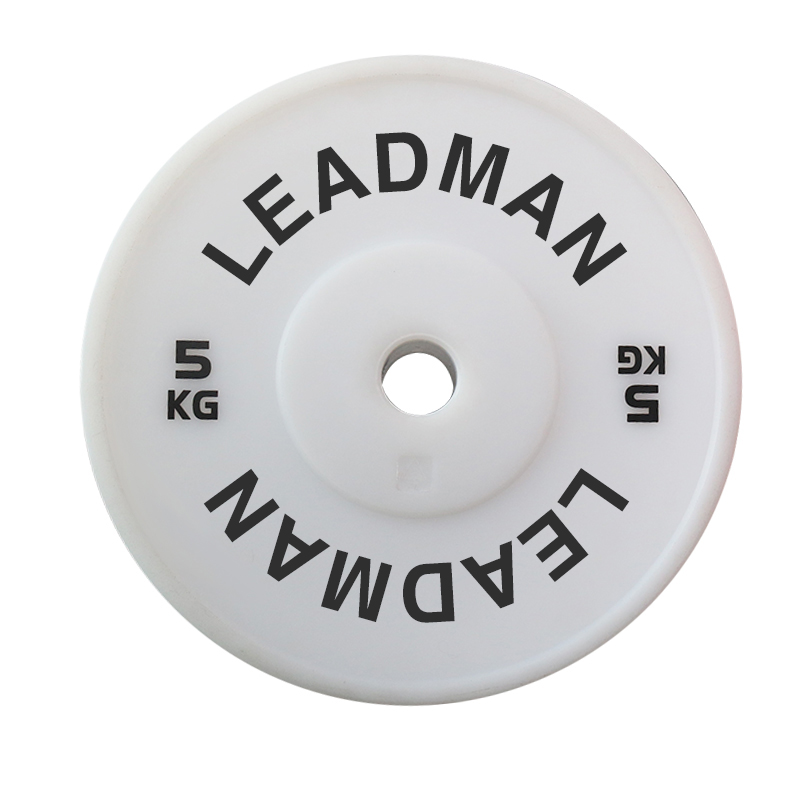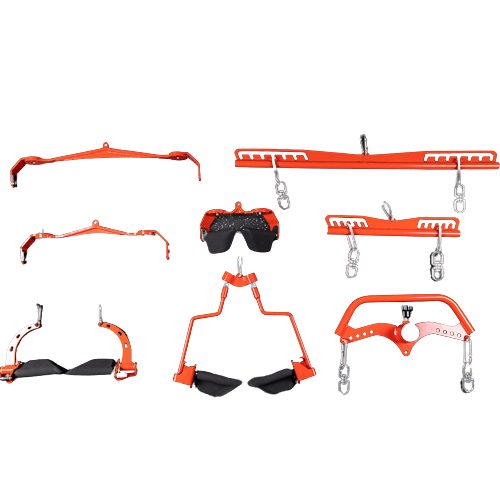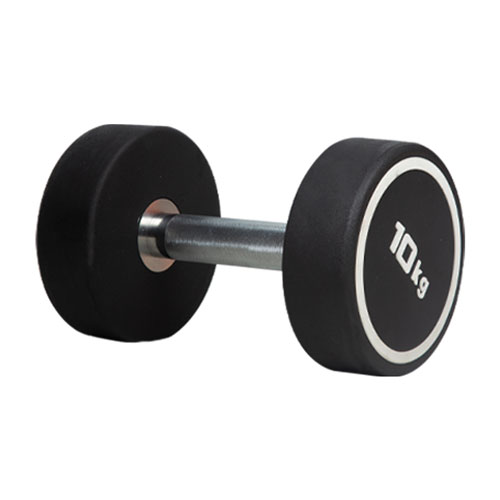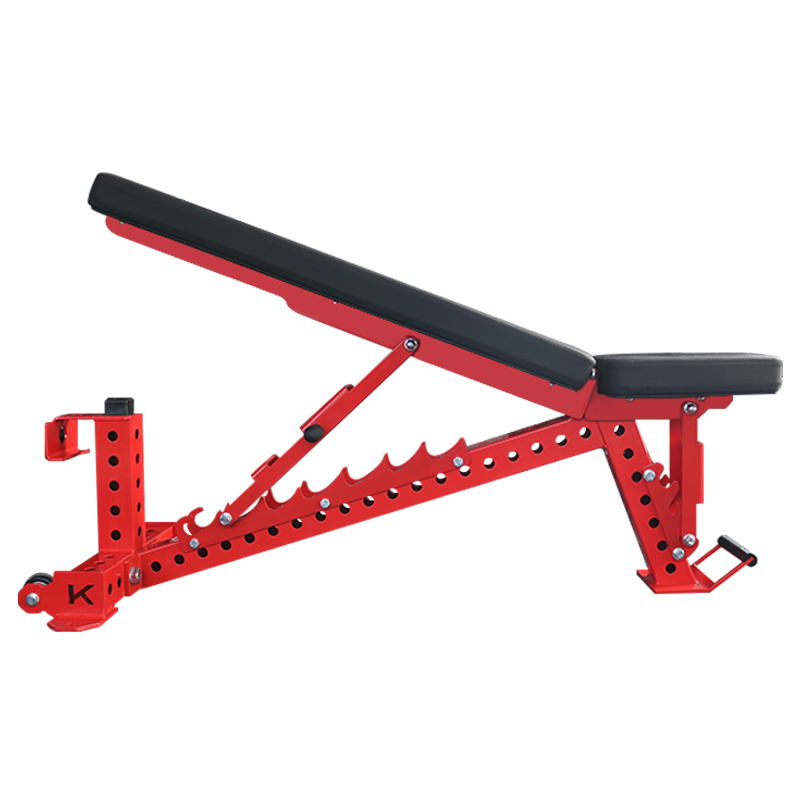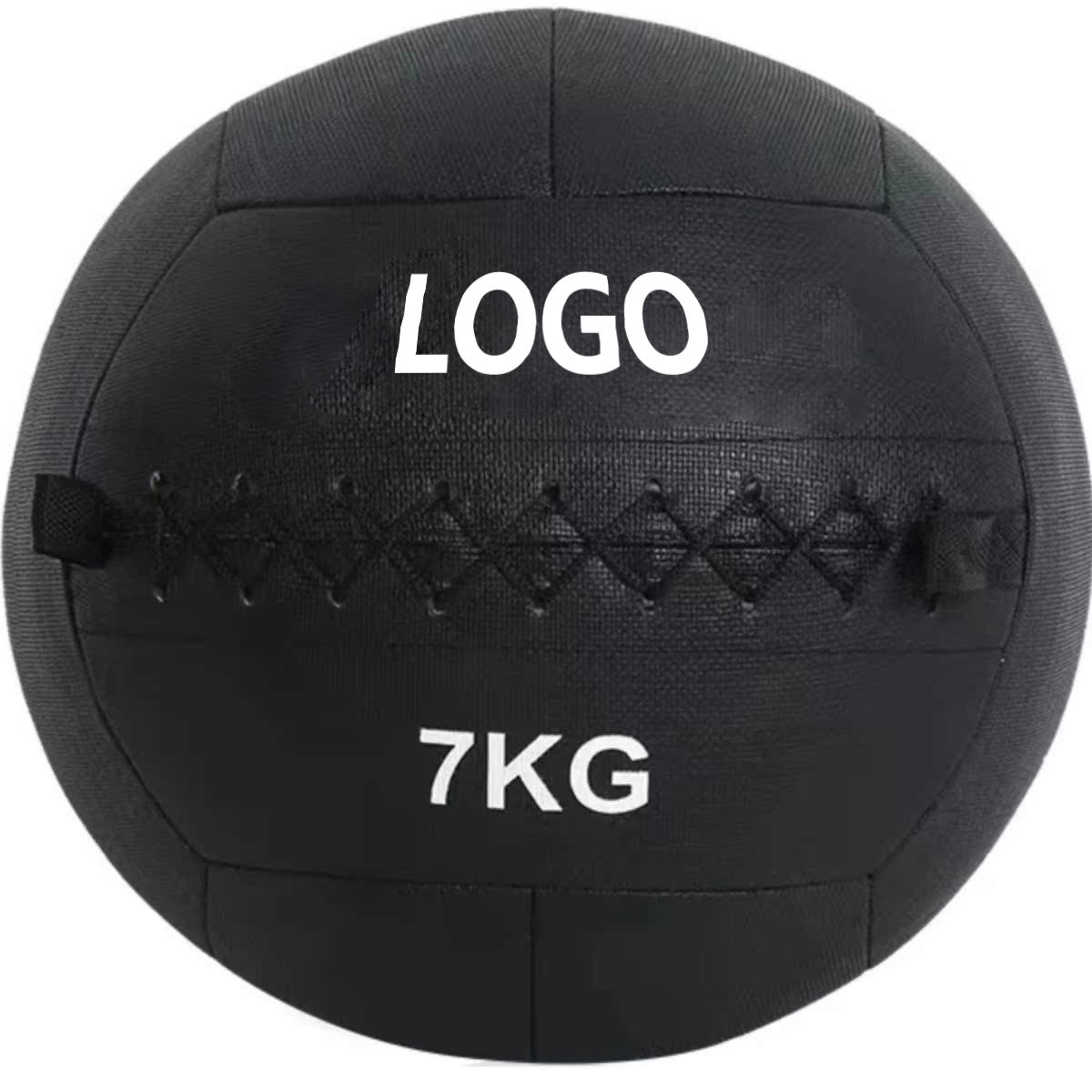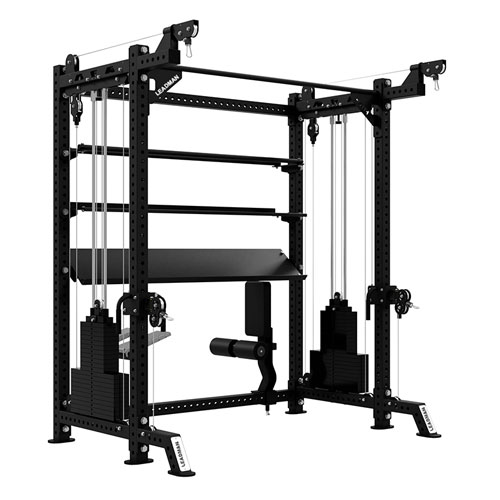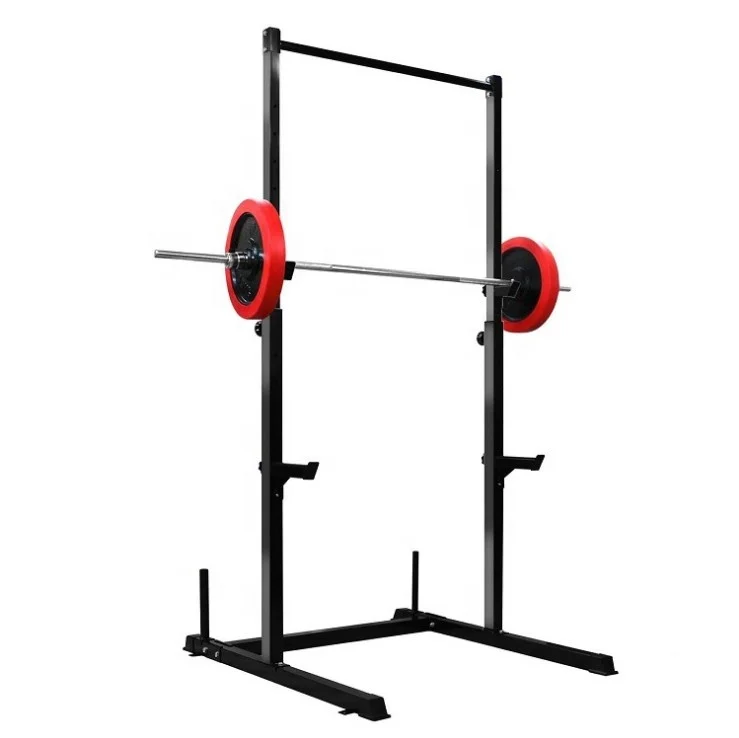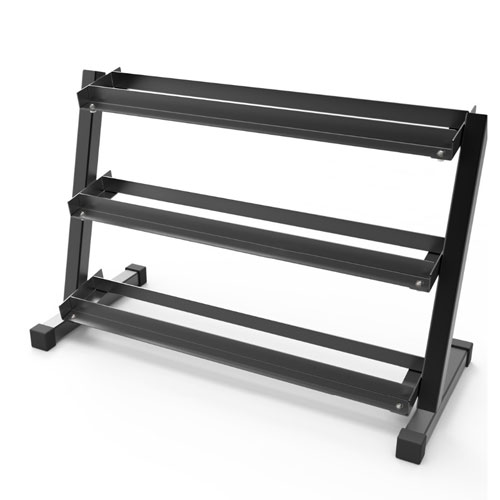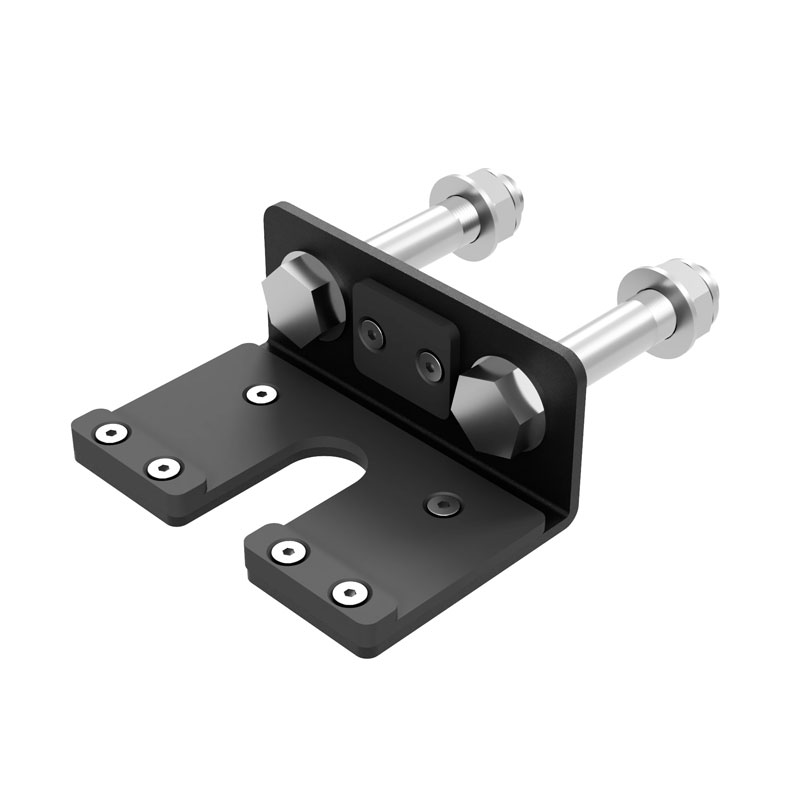
Optimizing high-density cargo logistics is a critical factor in the global supply chain for commercial fitness hardware. Because gym equipment ranges from high-volume, low-weight items like yoga mats to high-density, heavy-duty steel structures like power racks and plate-loaded machines, managing fitness equipment container load shipping requires sophisticated spatial and structural planning. Effective container utilization directly impacts landed costs and minimizes the risk of transit damage.
Strategic Load Planning and Volumetric Efficiency
Maximizing the cubic capacity of a 20ft or 40ft High Cube (HC) container is essential for reducing per-unit shipping costs. Specialized freight strategies include:
Protective Packaging and Load Securing
The physical characteristics of fitness equipment, such as polished steel surfaces, upholstery, and electronic consoles, demand specific protection protocols. To prevent oxidation and mechanical fatigue, shippers must implement:
Logistical Compliance and Documentation
Successful international transport of heavy fitness machinery involves more than just physical loading. Shippers must ensure rigorous adherence to HS Code classification and maritime safety regulations. Proper documentation, including the Bill of Lading, Packing List, and Certificate of Origin, ensures smooth customs clearance. Furthermore, understanding the weight limits of specific container types is vital to avoid overweight penalties at port terminals and ensures compliance with road weight limits for final-mile delivery to commercial gyms or distributors.