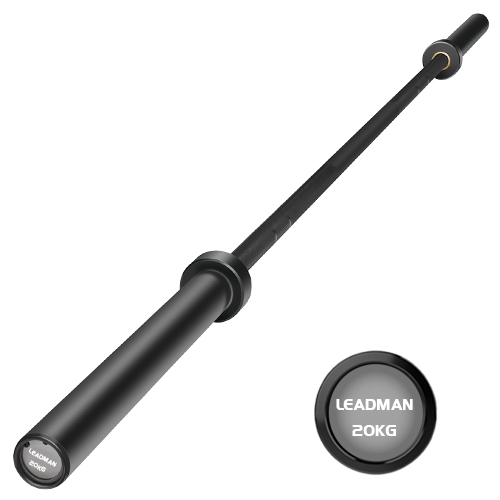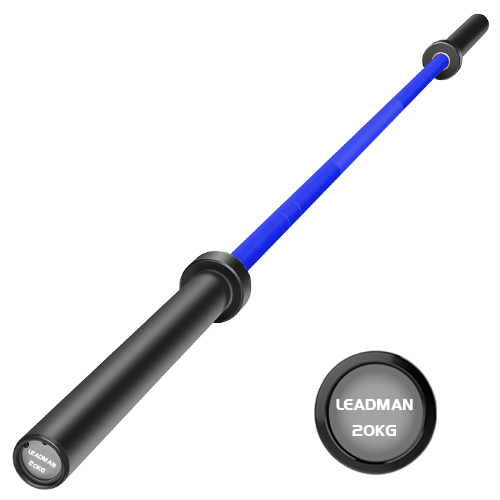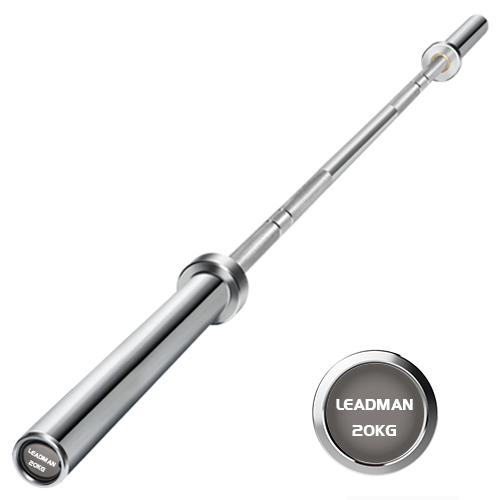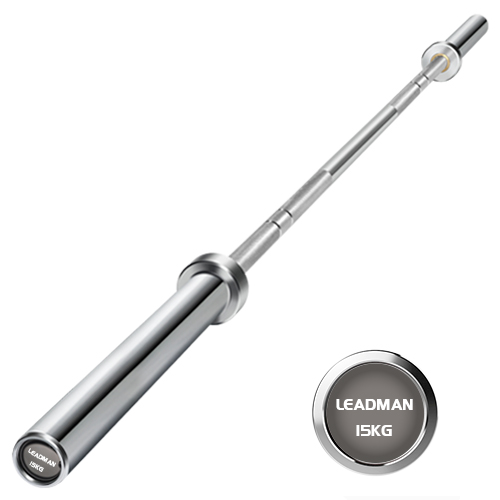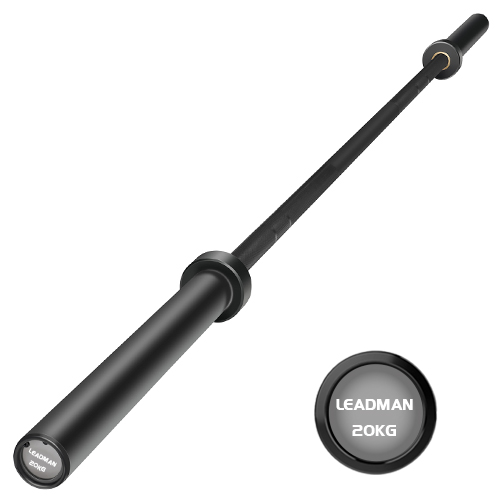

Selecting the best barbells for a commercial facility requires a technical understanding of metallurgy, knurling patterns, and mechanical tolerances. Unlike residential-grade equipment, professional barbells must withstand high-frequency impact and heavy load capacities without permanent deformation. This guide outlines the critical engineering parameters and use-case specializations necessary for procurement and facility management.
Technical Specifications & Construction
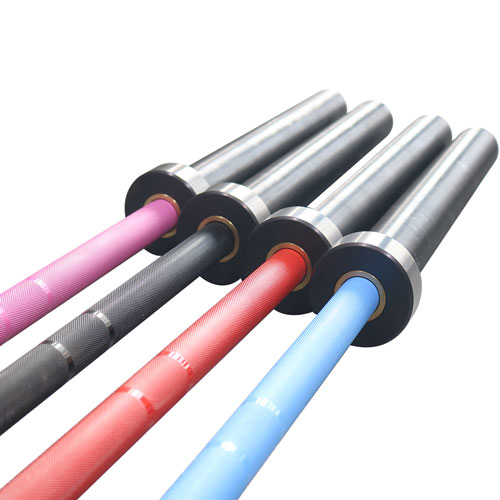
The performance of a barbell is largely determined by its tensile strength and yield strength. High-quality commercial bars typically utilize high-tensile steel to ensure maximum whip and durability. Key components to evaluate include the shaft diameter, sleeve thickness, and the precision of the bearing system. For precision movement, needle bearings are preferred in weightlifting bars to ensure smooth rotation, whereas bushings are often sufficient and more durable for powerlifting or general strength training applications.
Categorization by Discipline
Barbells are not interchangeable; they are engineered for specific mechanical functions:
Critical Procurement Criteria
When sourcing for a commercial or professional training environment, buyers must prioritize three technical factors: Knurling Aggression, Tensile Strength, and Sleeve Rotation. The knurling must provide sufficient friction for safety without causing excessive skin abrasion. The sleeve rotation must be consistent to prevent torque from transferring to the lifter's wrists during rapid transitions. Finally, the finish—whether it be Cerakote, Chrome, or Black Oxide—will dictate the long-term corrosion resistance and maintenance requirements of the equipment.