Twenty-five kilograms sits at an interesting crossroads. Heavy enough to challenge advanced lifters. Light enough that it rarely appears on a bar alone. In most gyms, the 25KG plate functions as a force multiplier—stack it with blues and greens to reach working weights efficiently. But for the athlete specifically training for competition, the 25KG plate carries a different meaning. It represents the heaviest standard increment before jumping to custom fractional loading. Get the engineering wrong at 25KG, and every lift above 170KG suffers.
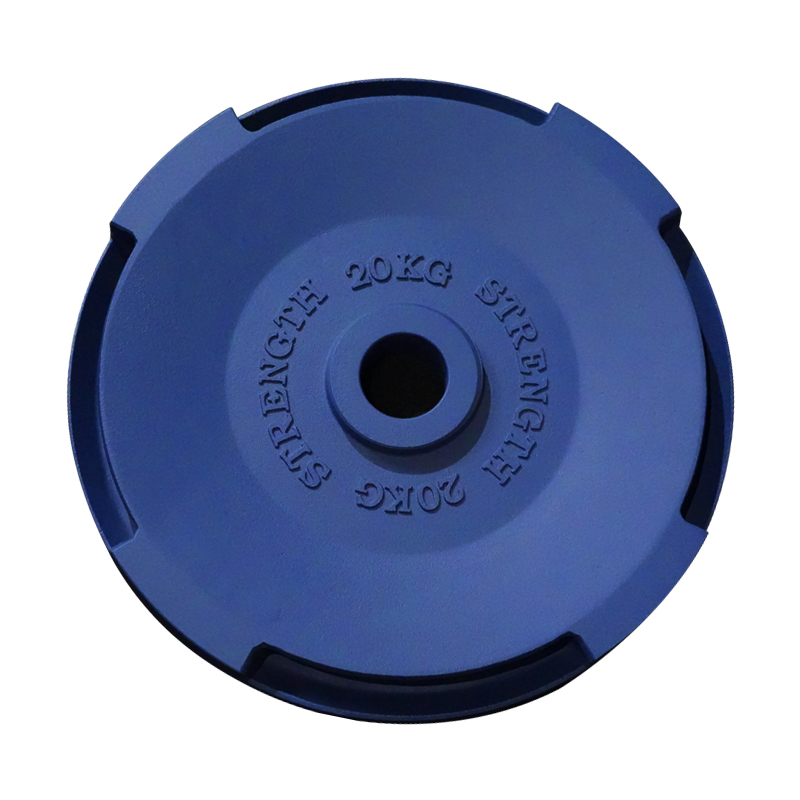
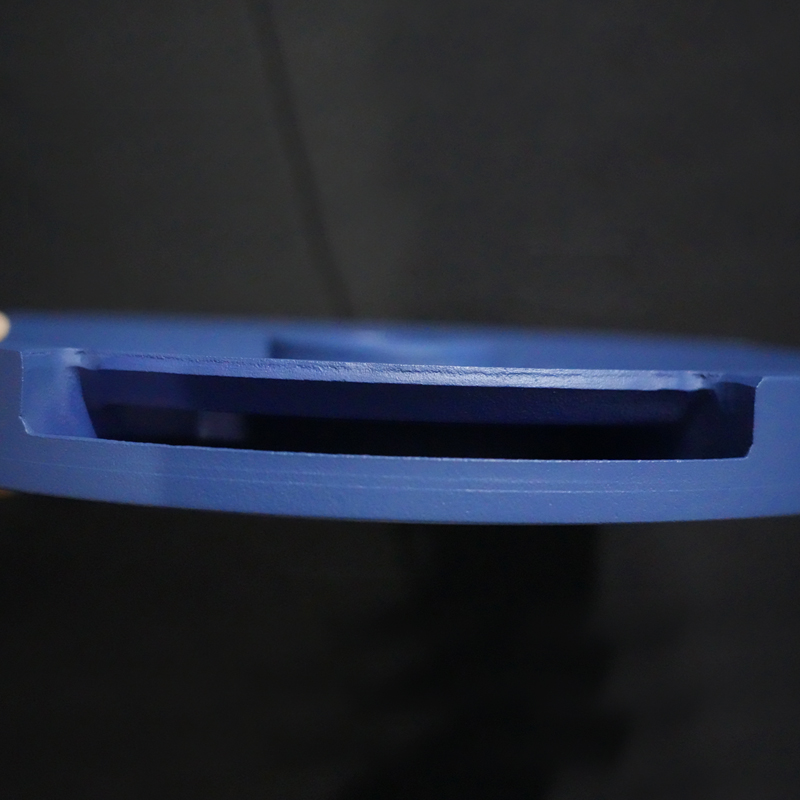
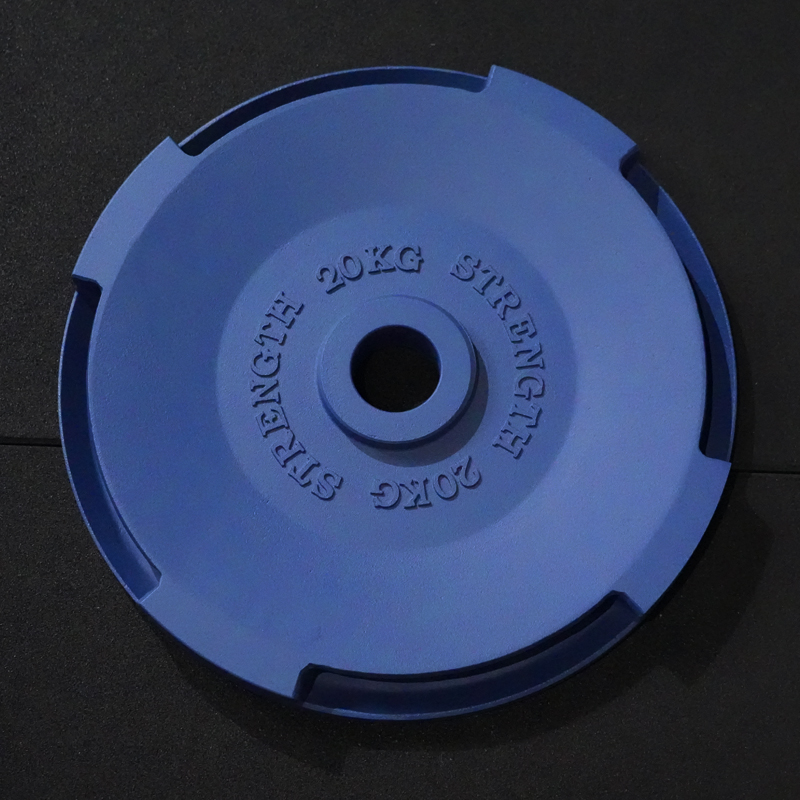
The red 25KG competition steel plate shown here addresses that upper-end demand directly. Steel construction becomes particularly critical at this weight class because rubber alternatives often exceed 30MM in thickness. That thickness penalty forces lifters to choose between loading enough weight or leaving sleeve space for collars. At 19MM thickness (per the specification table), this red steel disc solves that trade-off.
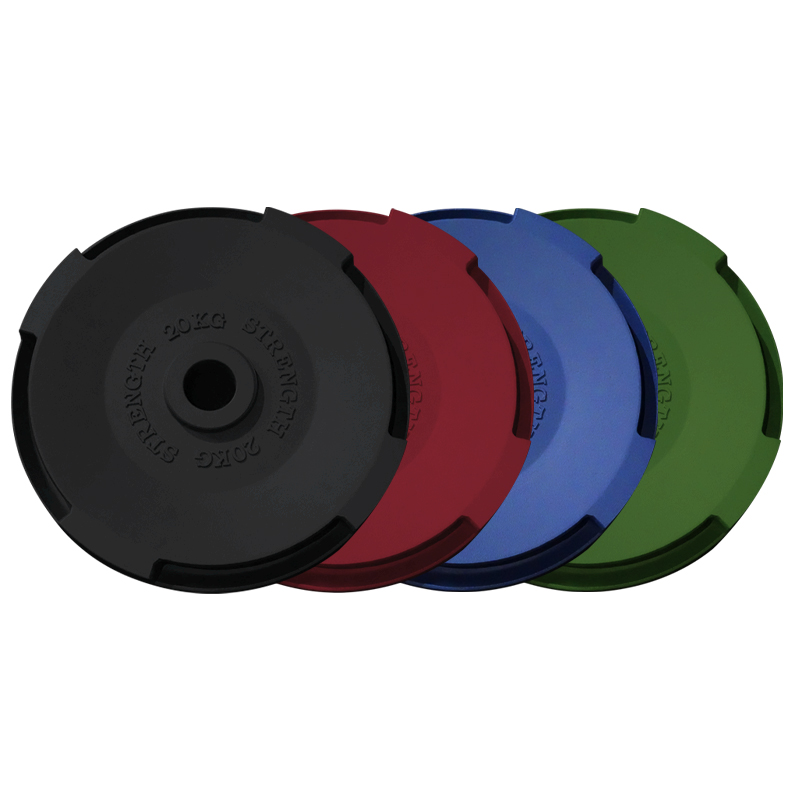
Red means 25KG across virtually every international weightlifting federation. Eleiko uses red. Werk San uses red. ZKC uses red. When a lifter sees a red plate, years of training memory trigger an immediate response: this is the heavy one. Changing that color association would confuse athletes. Maintaining industry-standard red for 25KG preserves transfer learning. A lifter walking into any equipped facility anywhere in the world should instantly recognize red as the largest common increment.
Beyond federation alignment, red offers practical visibility advantages. During competition warm-up rooms, multiple lifters share limited plate resources. Red plates are harder to lose in a crowd of black or gray iron. They announce themselves. That same visibility helps during video review—coaches can clearly identify which plates were loaded on a missed third attempt without squinting at blurry engraved numbers.
Consider a maximal deadlift attempt for a 100KG lifter attempting 250KG. Bar weight: 20KG. Required additional weight: 230KG. One efficient loading configuration: four red 25KG plates per side (200KG total) plus one blue 20KG per side (40KG total) plus one green 10KG per side (20KG total). That's six plates per side before collars.
At 19MM per red plate, four reds consume 76MM of sleeve space. The blue adds 18MM. The green adds 17MM. Total: 111MM. A typical competition barbell provides approximately 420MM of usable sleeve length. That configuration leaves ample room for collars. If those red plates were rubber bumpers at 30MM each, four would consume 120MM before adding blues and greens—still feasible but noticeably tighter. The 11MM saved per red plate adds up across the entire loading stack.
The ±10 gram tolerance on this red 25KG plate matches standards expected at sanctioned powerlifting and weightlifting meets. But calibration matters beyond competition day. For lifters running percentage-based programs from a true one-rep max, every plate in the stack contributes to the final resistance. If a lifter's true max is 200KG, and they load 180KG for a working set (90%), but the plates collectively weigh 180.8KG due to cumulative positive variance, that set is actually 90.4%—a small but real difference in intended stimulus.
Elite-level programming often prescribes lifts within 1-2% of a target intensity. At those margins, calibration drift matters. The red 25KG competition steel plate eliminates weight accuracy as a variable. Lifters can trust that 180KG today equals 180KG next month, assuming identical plate selection and environmental conditions.
When 200KG crashes onto a platform, the impact force travels through the plate stack. Rubber bumpers compress, store energy, and return a portion of that energy as rebound. Steel plates do not compress meaningfully. The impact is dead. For the lifter, this changes the receiving mechanics in Olympic lifts.
A clean receiving a steel-loaded barbell requires more active absorption because the bar won't "give" through plate compression. Some lifters prefer this—it forces better positioning and stronger catch mechanics. Others prefer rubber's cushioning effect. There's no universally correct answer. But for lifters specifically training for competition on steel plates (common in powerlifting federations), training with steel ensures meet-day carryover. Practicing on rubber then competing on steel introduces a variable best avoided.
The acoustic trade-off: steel plates are louder. Facilities expecting heavy Olympic lifting with red 25KG steel discs should invest in platform mats or crash pads rated for metal-on-rubber impact. The blue 20KG and green 10KG plates will also benefit from this noise reduction strategy.
As total load increases, so does friction between plates and the barbell sleeve. A 250KG barbell with six plates per side generates significant contact pressure at the inner bore of each plate. A rough, as-cast bore creates progressive resistance during loading—the last plate on each side requires force to slide into position. That friction wastes energy and time during meet warm-ups where every second matters.
The red 25KG competition disc features a machined 50.8MM inner diameter. Machining creates a smooth, consistent surface that slides onto sleeves without binding, even under heavy stack pressure. The 0.8MM clearance over a 50MM sleeve remains intentional—it provides reliable fit across bar brands while preventing the plate from seizing onto a slightly oversized or damaged sleeve.
The red coating on this 25KG plate faces unique stresses. Heavier plates experience greater impact forces during drops. The outer edge of the plate—the first contact point with the platform—receives concentrated abrasion. A low-quality coating chips at the edge within weeks, exposing raw steel. Humidity then attacks the exposed area, creating rust that spreads under adjacent coating layers.
The red finish shown here is engineered for edge retention. Industrial powder coating or equivalent processes bond the color layer to the steel substrate more aggressively than basic paint. For gym owners, inspecting edge coating integrity after six months of use reveals supplier quality. Plates that maintain full edge coverage after heavy rotation come from manufacturers who understand that 25KG plates live a harder life than 10KG plates.
Twenty-five kilograms is heavy enough to cause injury during improper handling. A red plate dropped on a foot from waist height will break bones. Facilities storing these plates on vertical trees should ensure the bottom pegs sit close to the floor, minimizing the distance a plate can fall if it slips during removal. Horizontal plate storage (lying flat on racks) eliminates falling risk entirely but consumes more floor space.
For home gym owners with limited space, a vertical tree with weighted base remains the standard solution. But prioritize trees with rubber peg sleeves to reduce inner bore wear on the machined 50.8MM surface. Metal-on-metal contact between peg and bore accelerates coating wear inside the hole, leading to rust and eventual fit loosening.
Competition-focused powerlifters need reds for meet-specific loading. A 227.5KG deadlift attempt (common in 75KG weight class) requires bar (20KG) plus four reds (100KG) plus two blues (40KG) plus one green (10KG) plus collars and fractional weight. Without reds, achieving that precise loading requires more plates and more sleeve space.
Commercial gyms with a strength training culture should carry at least two pairs of red 25KG plates. Even if only 10% of members ever use them, those members are often the facility's highest-revenue clients (personal training, powerlifting coaching, competition prep). Losing those clients to a competitor with better-equipped heavy plates costs far more than the plates themselves. For general population facilities, reds may never leave the storage room. That's fine. But for strength-focused facilities, red 25KG steel plates are non-negotiable equipment.
| Specification | Detail |
|---|---|
| Color Identifier | Red (competition standard for 25KG) |
| Weight Rating | 25 KG |
| Calibration Tolerance | ±10 grams (competition grade) |
| Outer Diameter (DIA) | 450 mm |
| Inner Diameter (Collar) | 50.8 mm (machined bore) |
| Thickness | 19 mm |
| Construction Material | Steel (bumper/powerlifting disc) |
| Target Use Case | Competition training, max effort lifts |