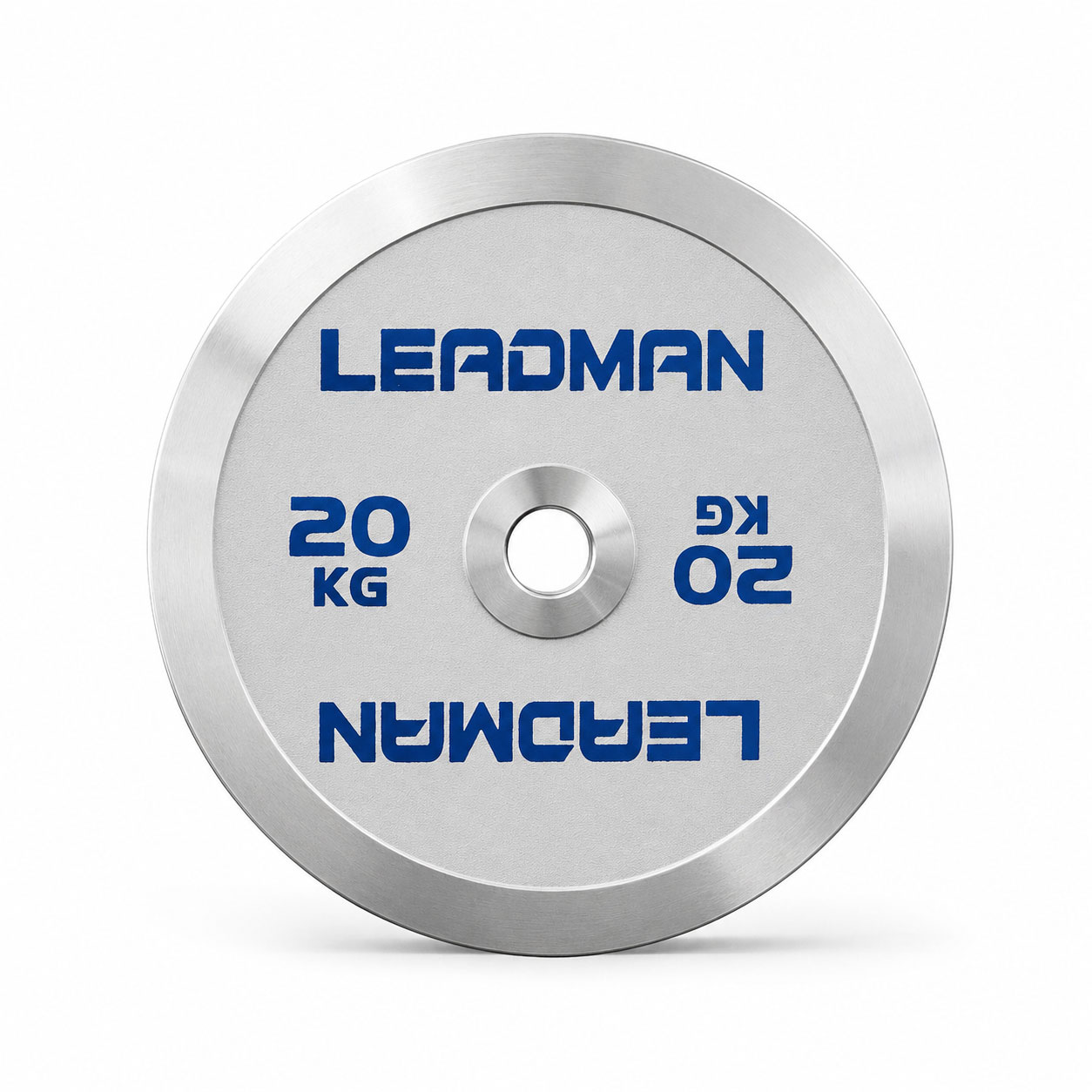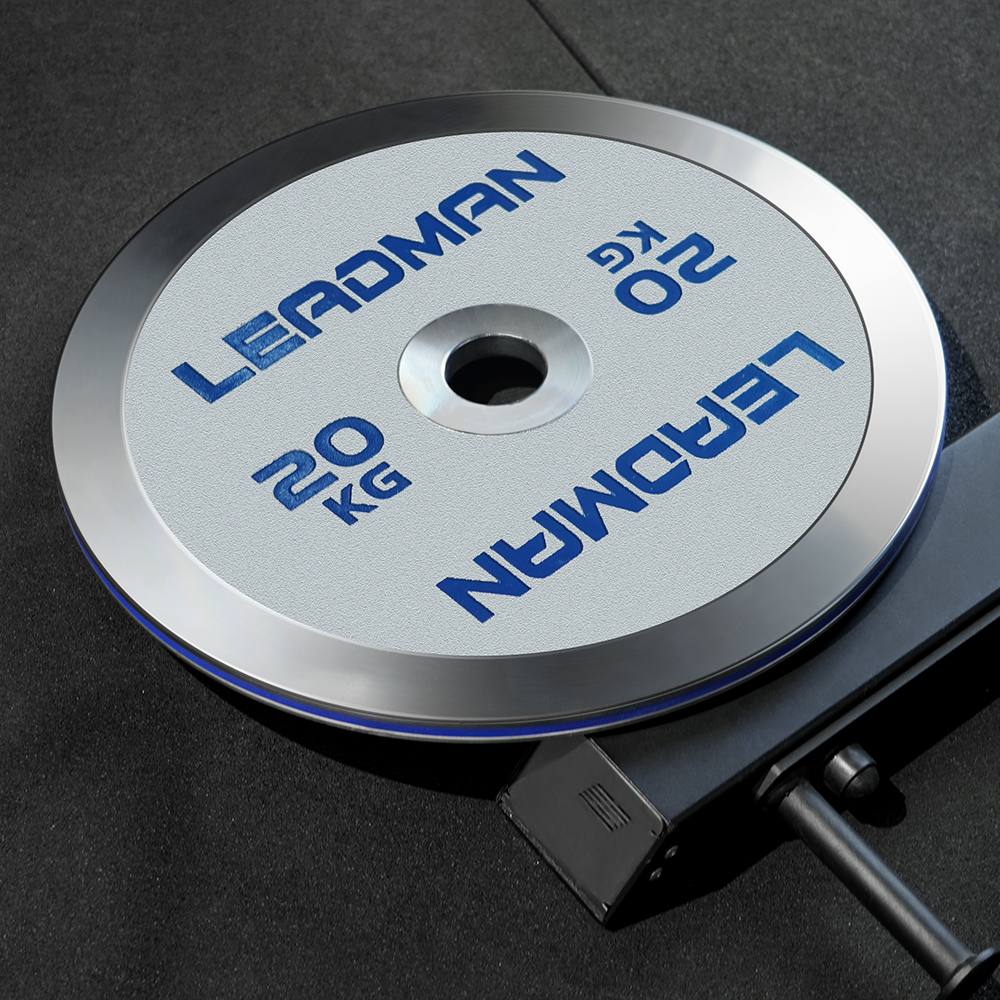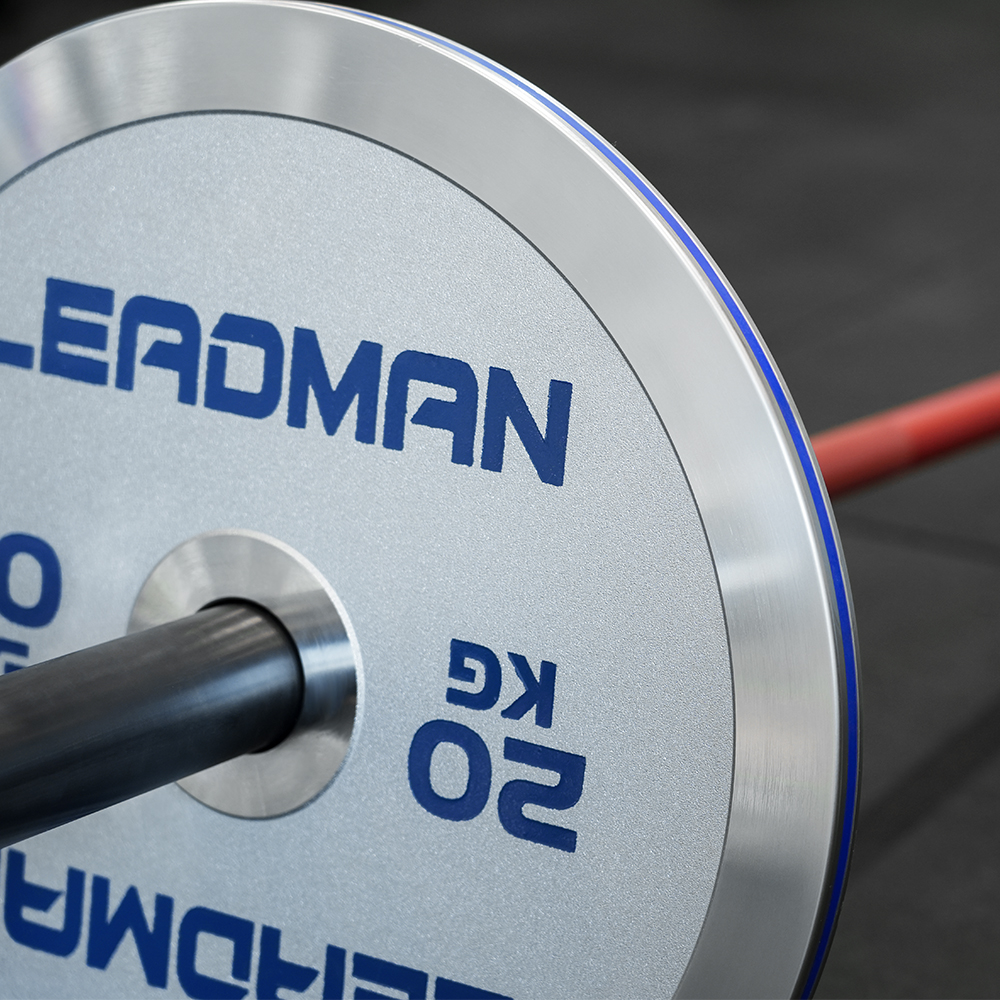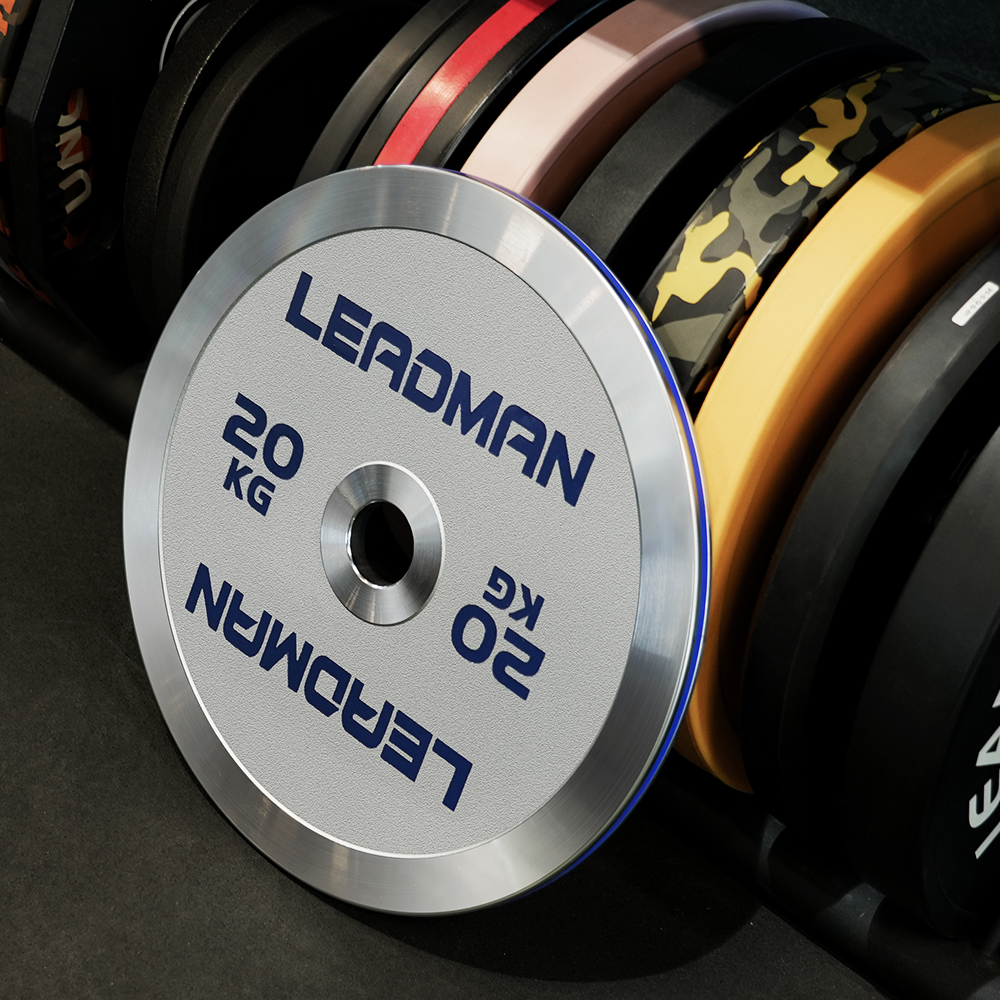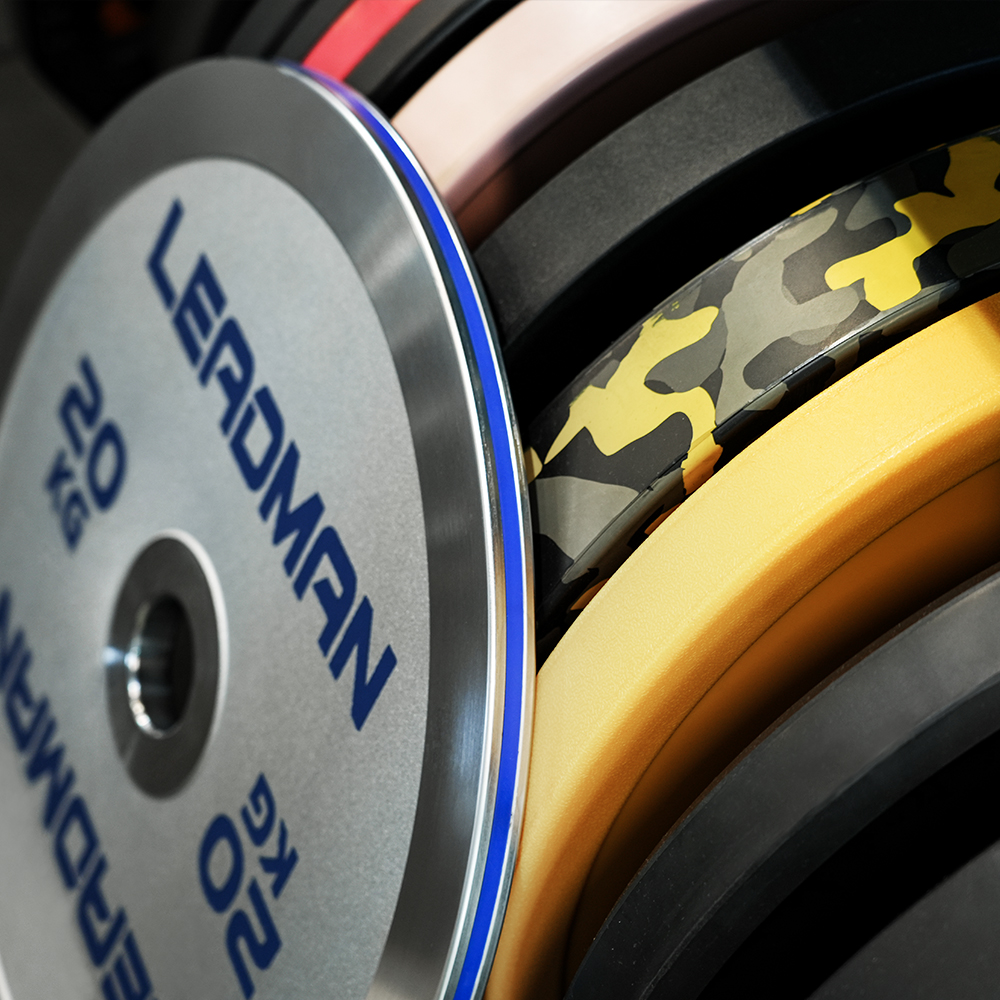
In competitive powerlifting and high-stakes strength training, equipment precision is non-negotiable. The difference between a successful record attempt and a failed lift can come down to the reliability of the plates on the bar. Standard bumper plates, while durable for Olympic lifting, introduce inconsistencies in thickness, weight accuracy, and barbell whip due to their rubber composition. This is where high-grade steel competition weight plates establish their dominance. Designed for athletes and facilities where every gram matters, these plates are engineered to eliminate variables, providing a consistent, predictable, and competition-ready loading experience.
The core engineering challenge for any steel plate is balancing three often conflicting demands: absolute weight accuracy, a minimal thickness profile to maximize load capacity, and long-term durability against corrosion and impact. This plate system resolves these challenges through a synergy of machine-calibrated precision, high-density material selection, and a protective finish optimized for high-frequency commercial use. The result is a product that doesn't just hold weight—it instills confidence in the lifter and enhances the operational credibility of any training facility.
For the competitive athlete, the psychological benefit is clear: the ability to load the bar knowing that the stated weight on each plate is authentic to within a fraction of a percent. For the gym owner, the value proposition translates to reduced equipment replacement cycles, a more professional training environment that attracts serious lifters, and compliance with international standards that validate their facility's commitment to quality. These plates are not merely accessories; they are foundational investments in performance integrity.
The defining technical specification of a competition-grade plate is its weight tolerance. Unlike standard cast iron plates that may deviate by 3% or more, these plates are individually machine-calibrated to achieve a remarkable accuracy of ±0.25% or within 10 grams, whichever standard is stricter. This dual-threshold approach is critical. For heavier plates like the 25kg or 20kg variants, the percentage-based tolerance (±0.25%) is the governing factor. For lighter change plates (2.5kg, 1.25kg), the absolute 10g tolerance ensures that even the smallest increment is precise.
This level of accuracy is achieved through a post-manufacturing calibration process. After the plates are forged or machined, each one is individually weighed on certified scales. A computerized system then calculates any minor material inconsistencies and can perform secondary machining passes to remove microscopic amounts of steel from non-critical areas (typically the outer edge or back face) until the plate falls within the specified tolerance window. This process is labor-intensive and requires sophisticated equipment, which is why truly calibrated plates command a premium over mass-produced alternatives. The benefit to the end-user is symmetrical loading—both sides of the barbell will feel and behave identically, a crucial factor in heavy squats and deadlifts where lateral imbalance can contribute to uneven bar path and increased injury risk.
Compliance with IPF (International Powerlifting Federation) standards is the gold seal of approval. The IPF prescribes not only weight accuracy but also dimensional specifications, center hole tolerances, and surface characteristics. By meeting these standards, the plates are automatically approved for use in IPF-affiliated competitions, eliminating the need for equipment checks or substitutions. For a training facility, stocking IPF-approved plates signals to serious powerlifters that the gym understands and respects the demands of the sport, directly supporting member retention and attracting a dedicated athlete demographic.
| Plate Weight (kg) | Governing Tolerance | Maximum Permissible Deviation |
|---|
| 25 kg | ±0.25% (percentage-based) | 62.5 grams |
| 20 kg | ±0.25% (percentage-based) | 50 grams |
| 15 kg | ±0.25% (percentage-based) | 37.5 grams |
| 10 kg | ±0.25% (percentage-based) → 25g, but 10g absolute may be stricter | 10 grams |
| 5 kg / 2.5 kg / 1.25 kg | 10g (absolute tolerance) | 10 grams |
| 0.5 kg / 0.25 kg | 10g (absolute tolerance) | 10 grams |
The visible and functional superiority of these plates comes from their material density. Solid steel is approximately 2.5 times denser than the vulcanized rubber used in standard bumper plates. This fundamental physical property allows a steel plate of the same weight to be dramatically thinner. Where a 20kg rubber bumper plate might be 60-70mm thick, a precision-calibrated steel competition plate of the same weight can be as thin as 15-20mm. This ultra-thin profile is not merely an aesthetic feature; it is a performance multiplier.
The practical consequence is a significantly increased total load capacity on the barbell sleeve. A standard Olympic barbell has approximately 400mm of usable sleeve length on each side. With thick rubber bumpers, a lifter might fit only 4-5 plates per side (around 200-250kg total) before running out of sleeve space. With ultra-thin steel plates, the same sleeve can accommodate 10, 12, or even more plates per side. The manufacturer cites a capacity of 700kg+ on the bar. For elite powerlifters and strongman athletes performing deadlifts or squats in the 400-500kg range, this additional sleeve real estate is essential. It allows them to load the necessary weight using 20kg and 25kg plates without resorting to smaller-diameter, heavier "fractional" plates that can change the bar's whip dynamics.
Furthermore, the solid steel construction contributes to a more rigid and predictable barbell feel. Rubber plates, by their nature, absorb and dampen some of the vibration and oscillation (whip) of the barbell. While beneficial for Olympic lifting, this dampening is undesirable for powerlifting, where athletes often use the bar's natural whip to assist in the initial drive of a squat or deadlift. Steel plates transmit force directly, providing a more responsive and "honest" feel that competitive powerlifters prefer for gauging bar speed and tension.
A frequently overlooked but critical performance parameter is the fit between the weight plate's center hole and the barbell sleeve. Standard plates often have a loosely toleranced center hole (e.g., 50.8mm to 52mm) to ensure they can slide onto slightly bent or dirty barbells. However, this loose fit introduces "plate rattle"—the audible and tactile shifting of plates during eccentric and concentric movements. This shifting is not just noisy; it introduces kinetic energy loss as the plates accelerate and decelerate relative to the bar, and it can create uneven lateral loading during heavy lifts.
These competition plates feature a precision-machined 50.4mm center hole. The 0.4mm clearance over the standard 50.0mm Olympic barbell sleeve diameter is an engineering sweet spot. It is tight enough to virtually eliminate perceptible rattle and shifting, providing a solid, one-piece feel when the plates are clamped. Yet, it retains enough clearance to slide smoothly onto the bar without needing a mallet or excessive force. This snug fit is achieved through secondary machining of the center hole after the main forging process, ensuring concentricity and a smooth internal surface that will not gall or scratch the barbell sleeve's chrome or hard chrome finish.
The benefit to the lifter is immediate: a quieter, more stable, and more confidence-inspiring lift. During deadlifts, the plates do not shift on the descent, reducing the risk of the barbell rolling or the weight distribution changing unpredictably. During squats, the absence of plate rattle eliminates a distracting auditory and tactile variable, allowing the athlete to focus entirely on their technique and intra-abdominal pressure. For gym owners, the tight fit reduces wear and tear on both the plates and the expensive barbell sleeves, as there is less microscopic abrasive movement between the two metal surfaces over thousands of loading cycles.
| Parameter | Steel Competition Plate | Standard Rubber Bumper Plate |
|---|---|---|
| Material Density | High (~7.85 g/cm³ solid steel) | Low to medium (vulcanized rubber, ~1.2-1.5 g/cm³) |
| 20kg Plate Thickness | ~15-20mm (ultra-thin) | ~60-70mm (bulky) |
| Max Load (per sleeve) | 700kg+ (limited only by bar) | ~200-250kg (sleeve space limited) |
| Weight Accuracy | ±0.25% / 10g (calibrated) | ±2% to ±5% (typical) |
| Center Hole Fit | Precision-machined 50.4mm (snug) | Loose 50.8-52mm (rattles) |
| Bar Whip / Feel | Direct, rigid, predictable | Dampened, softer, less responsive |
| Primary Application | Powerlifting, competition, heavy strength training | Olympic weightlifting, general fitness, drop tolerance |
The harsh reality of commercial gym environments is constant exposure to sweat, chalk (magnesium carbonate), cleaning chemicals, and humidity. Unprotected steel will oxidize and rust within months, leading to unsightly brown stains, rough surfaces that can snag skin, and eventual structural degradation. The final layer of engineering in these plates is the high-grade electrostatic powder coating. This finish is not paint; it is a dry powder (typically epoxy, polyester, or a hybrid) that is electrostatically charged and sprayed onto the grounded metal plate, then cured in an oven where it melts and fuses into a hard, durable polymer skin.
This process creates several functional advantages. First, the finish is far more resistant to chipping, scratching, and abrasion than wet paint. Second, it provides a non-slip surface—the slight texture of the cured powder coating offers superior grip for hands when handling plates, reducing the risk of dropped plates that could cause injury or floor damage. Third, the electrostatic application ensures complete coverage, including the edges and the center hole, creating a uniform barrier against moisture ingress. The specific black finish visible in the product imagery is not merely aesthetic; it is a practical choice that hides dirt and chalk residue better than lighter colors, maintaining a professional appearance with less frequent deep cleaning.
For a facility investing thousands of dollars in precision plates, longevity is a primary ROI factor. A high-quality powder-coated steel competition plate, when reasonably cared for (wiped down after use, stored on horizontal plate holders rather than leaning against walls), can retain its functional and aesthetic integrity for a decade or more. This stands in stark contrast to rubber plates, which can develop ozone cracking, chipping at the steel insert, and a permanent "funk" from absorbed sweat. The corrosion-resistant finish ensures that the plates' weight accuracy and fit are preserved over time, as rust and pitting do not alter the mass or the center hole diameter.
| Specification Category | Technical Details |
|---|---|
| Material | High-quality solid steel |
| Weight Accuracy / Calibration | Individually machine-calibrated to ±0.25% or 10g (whichever is stricter) |
| Certification Standard | Meets IPF (International Powerlifting Federation) standards for competition use |
| Center Hole Diameter | Precision-machined 50.4mm |
| Barbell Compatibility | Standard 50mm (2 inch) Olympic barbell sleeves |
| Profile | Ultra-thin solid steel construction |
| Maximum Load Capacity | Engineered for 700kg+ loading on the barbell (sleeve space permitting) |
| Surface Finish | High-grade electrostatic powder coating; non-slip, corrosion-resistant |
| Available Weight Increments | 25kg, 20kg, 15kg, 10kg, 5kg, 2.5kg, 1.25kg, 0.5kg, 0.25kg (typical competition set) |
| Product Identifiers | Model variations exist (e.g., MD0303F with color trim options as per system listings) |