How to Use Stability Balls with Weight Plates
Integrating resistance into your core training can significantly elevate your functional strength. Learning how to use stability balls with weight plates allows you to challenge your center of gravity in ways that standard floor exercises cannot. This guide explores the technical nuances, safety protocols, and advanced movement patterns required to master this hybrid training method.
Understanding the Fundamentals of Weighted Stability Training
Before diving into complex movements, it is essential to understand the physics behind this training method. Using a weight plate while seated or leaning on a stability ball introduces asymmetrical loading and shifts your center of mass. This requires your deep stabilizers to work harder to maintain equilibrium. To succeed, you must first master the equipment and the basic mechanics of balance. Once you understand the fundamental relationship between the ball's inflation and the plate's center of gravity, you can progress to specific exercise variations.
Related reading:
Essential Equipment Preparation and Safety Checks
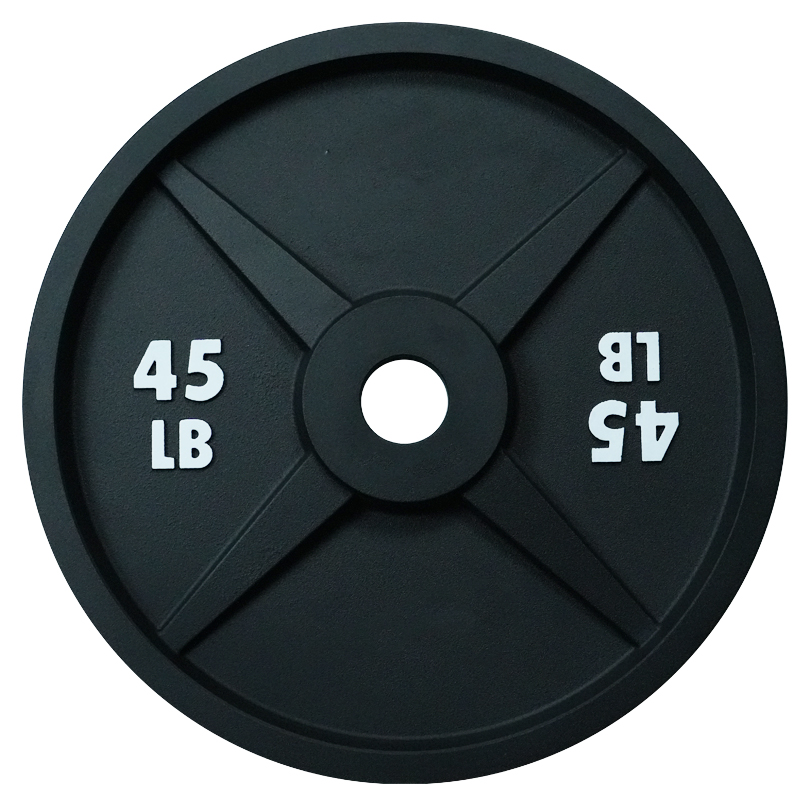
Building upon the fundamental mechanics discussed above, your first step in a successful session is rigorous equipment inspection. You cannot safely perform weighted movements if your equipment is compromised. First, check the stability ball for any signs of thinning material or micro-tears. Second, ensure the ball is inflated to the correct pressure—firm enough to support your weight, but with enough elasticity to prevent abrupt snapping. Third, select weight plates with ergonomic edges to ensure a secure grip. Preparing your equipment correctly sets the stage for the specific movement patterns we will examine next.
Core Stability Exercises: Seated Movements
With your equipment verified, you can begin with seated exercises, which offer the highest level of control. A foundational move is the Weighted Seated Balance. Sit upright on the ball, place a weight plate on your thighs, and lift it to chest height. Slowly move the plate in small circles or side-to-side patterns. This movement forces the core to react to shifting loads. As you master these seated variations, you can increase the difficulty by incorporating more dynamic lifting patterns, such as the exercises described in the following section.
Advanced Weighted Movements: Dynamic Transitions
After mastering static seated positions, you can transition into more dynamic movements to further challenge your proprioception. One effective technique is the Stability Ball Weighted Reach. From a kneeling or seated position, hold the weight plate toward the floor and slowly extend your arms forward and slightly to the sides. This movement requires intense control of the transverse abdominis. Transitioning from controlled reaches to more explosive movements will require even greater stability, which leads us to the importance of proper posture.
Maintaining Optimal Posture and Spinal Alignment
Success in dynamic movements depends heavily on the foundational technique of posture. When using weight plates on a ball, there is a natural tendency to lean into the weight, which can lead to rounded shoulders or a collapsed lumbar spine. Always maintain a neutral spine and engage your core before the plate moves. If your posture breaks, the weight becomes a liability rather than a tool. Maintaining this alignment is critical, especially when you move into the more intensive floor-based exercises listed below.
Integrating Weight Plates with Floor-Based Core Work
While seated exercises are excellent for balance, floor-based exercises with weight plates offer a different type of resistance. For example, during a Stability Ball Weighted Crunch, you can lie with your upper back on the ball and hold a plate above your chest. As you crunch upward, the ball creates an unstable surface for your spine, while the plate adds resistance to your rectus abdominis. This combination of instability and load is highly effective for building functional strength. As you progress through these floor movements, you should also consider how to use the ball for upper body stability.
Related reading:
Enhancing Upper Body Stability with Weighted Holds
The core strength built during floor-based work is vital for the upper body stability exercises discussed here. An advanced move involves performing a Weighted Plank on the Stability Ball. Place your forearms on the ball and hold a weight plate in each hand, or hold a single plate against your chest. This requires extreme core tension to prevent the ball from rolling. This level of high-intensity stability training is the pinnacle of using these two pieces of equipment together, but it requires a deep understanding of the loading patterns we covered earlier.
Related reading:
Common Pitfalls and How to Avoid Them
As we have covered the various methods of using stability balls with weight plates, it is important to recap the common mistakes that can lead to injury. The most frequent errors include uneven plate distribution, which causes sudden torque, and insufficient ball inflation, which leads to unpredictable wobbles. Always prioritize controlled, slow movements over speed. By mastering these techniques and respecting the safety protocols mentioned throughout this guide, you can safely and effectively harness the power of weighted stability training for a stronger, more resilient core.
| Exercise Type | Primary Target | Difficulty Level | Focus Area |
|---|---|---|---|
| Seated Balance | Deep Core Stabilizers | Beginner | Static Equilibrium |
| Weighted Reach | Obliques/Transverse Abdominis | Intermediate | Dynamic Control |
| Weighted Crunch | Rectus Abdominis | Intermediate | Resistance/Compression |
| Weighted Plank | Full Core/Upper Body | Advanced | Total Body Stability |