Plate Workouts for Senior Fitness: A Technical Guide to Strength and Safety
Challenging the Myth of Fragility in Senior Strength Training
A common misconception in the fitness industry suggests that senior populations should avoid resistance training involving heavy objects, such as weight plates, to prevent injury. This perspective often stems from a failure to distinguish between 'uncontrolled movement' and 'structured resistance.' In reality, controlled plate-based movements can significantly enhance bone density and muscle hypertrophy in older adults. The problem is not the weight itself, but rather the lack of standardized protocol regarding weight distribution and grip stability. When implemented with professional-grade oversight, plate workouts provide the necessary stimulus to combat sarcopenia and osteopenia.
The core cause of injury in senior weight training is rarely the load, but rather the sudden onset of mechanical instability or inadequate equipment preparation. By transitioning from a mindset of avoidance to one of controlled loading, facility operators and trainers can provide a safer, more effective environment. Understanding the physical properties of the equipment is the first step toward building a high-performance senior fitness program. This structural foundation leads directly into the critical requirement of selecting the right grade of weight plates.
Related reading:
Selecting Optimal Weight Plate Specifications for Aging Populations
Building upon the necessity of controlled loading, the selection of the specific weight plates used is a critical decision for any operator. Not all weight plates are created equal, and for a senior-focused demographic, the physical profile of the plate determines the ease of use and the risk of repetitive strain. A common mistake is utilizing standard, large-diameter plates for low-weight increments, which can force a senior into an awkward ergonomic position just to hold the plate.
Plate Diameter and Material Composition
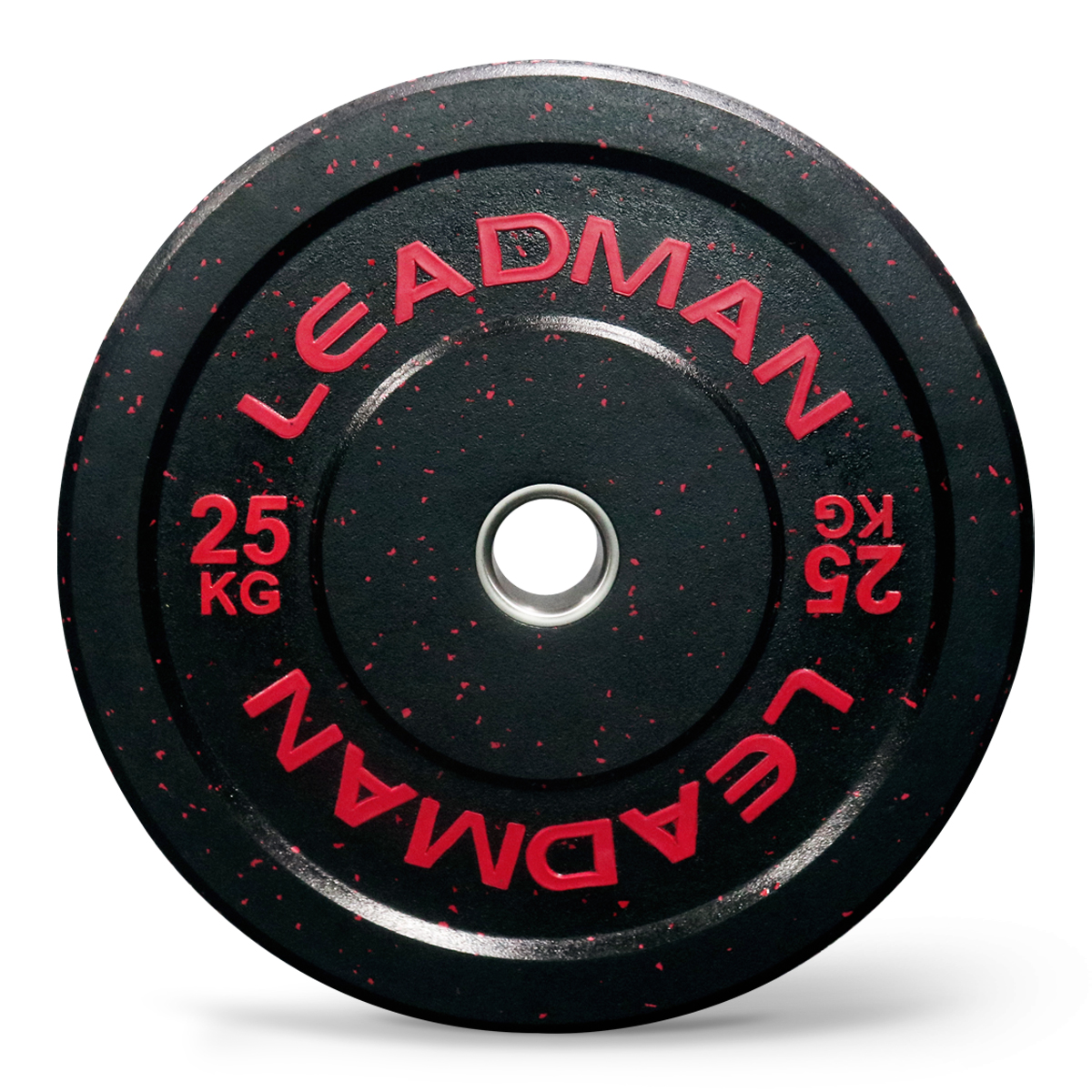
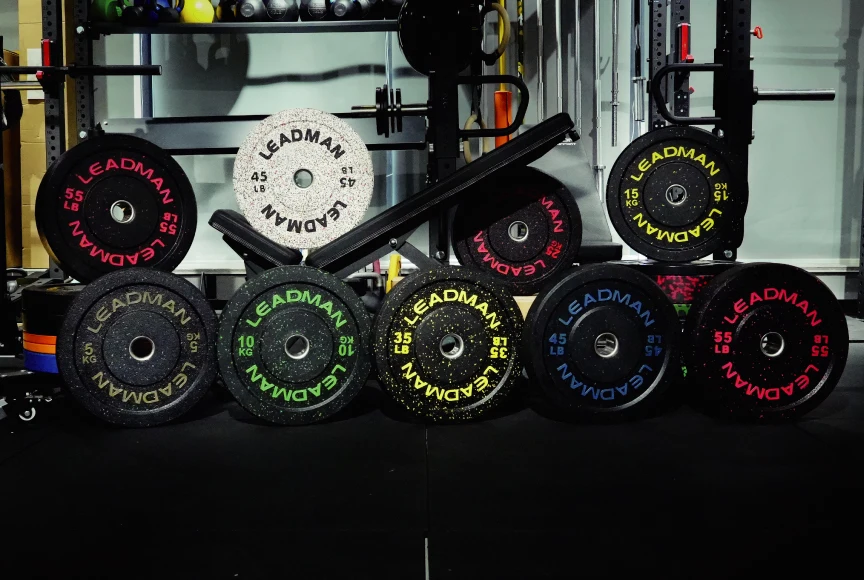
For senior fitness, the material of the plate impacts both the durability and the tactile feedback during a set. Commercial-grade equipment typically offers three main varieties: cast iron, rubber-coated, and urethane. While cast iron is durable, it lacks the shock absorption required for high-frequency use. Rubber-coated plates are often the preferred standard for senior programs due to their increased grip friction and reduced noise profile during placement.
| Plate Type | Primary Benefit | Potential Drawback | Best Use Case |
|---|---|---|---|
| Cast Iron | High Durability/Low Cost | Hard Surface/Low Grip | Basic Strength Drills |
| Rubber-Coated | High Impact Absorption | Slightly Larger Footprint | General Senior Fitness |
| Urethane | Premium Grip/Longevity | Higher Cost | High-Use Commercial Gyms |
When selecting equipment, operators must verify that the plate diameter is proportional to the weight to ensure that the center of gravity remains manageable. A 2kg plate that is too small can be difficult to manipulate, while a 2kg plate that is too large may interfere with range of motion. Once the hardware is selected, the focus must shift to how the human hand interacts with these objects through ergonomic considerations.
Related reading:
Ergonomic Grip and Hand Interface Optimization
Properly selecting the hardware is only half the battle; the way a senior interacts with the weight's edge is a primary determinant of safety. As we age, grip strength and fine motor control can diminish, making the 'feel' of a weight plate a critical variable. A common failure mode occurs when a trainee attempts a movement and the plate slips due to poor surface texture or inadequate thickness, leading to sudden, uncontrolled movements.
Managing Grip Fatigue and Plate Thickness
The thickness of the plate's rim (the handle area) directly impacts the mechanical advantage of the grip. For seniors, a rim that is too thin can cause localized pressure points on the fingers, while a rim that is too thick can prevent a secure wrap-around grip. To optimize the interface, operators should look for plates with rounded, ergonomic edges that allow for various grip styles, such as the 'pinch grip' or the 'palm hold.'
- Verification Step: Have the user perform a 30-second static hold with a 5kg plate to ensure the rim diameter does not cause discomfort or cramping.
- Failure Mode: Excessive sweat or moisture on the plate surface can lead to rapid slip; ensure plates are wiped down after every use.
Mastering the grip interface ensures that the resistance is transferred effectively to the target muscle group without compromising hand integrity. This control over the hands and wrists provides the necessary stability to move toward larger, integrated movements that engage the core.
Integrating Core Stability and Resistance Protocols
Effective plate workouts for seniors move beyond simple isolation and into functional, integrated movements. While isolation exercises have their place, the real benefit of plate training lies in its ability to challenge the core and improve balance. A common problem in senior fitness is the 'disconnected' workout, where the user performs a movement that lacks total-body coordination, leading to instability.
Structural Stability vs. Weight Load
The goal of a plate-based core movement is to use the weight as a tool for balance training rather than just a heavy load. For example, a plate carry or a slow goblet hold forces the musculature of the trunk to stabilize the spine against an external force. This is essential for fall prevention and postural integrity. The following table outlines common movement progressions designed for stability:
| Movement Category | Exercise Example | Primary Goal | Safety Verification |
|---|---|---|---|
| Static Hold | Goblet Hold (Chest Level) | Postural Control | Check for spinal curvature |
| Dynamic Carry | Plate Front Carry | Functional Balance | Monitor foot strike and gait |
| Rotational | Plate Halo | Mobility & Core | Limit range of motion to pain-free zone |
By prioritizing stability-driven movements, trainers can build a foundation of strength that supports daily activities. However, even the most stable movement can become hazardous if the equipment is not maintained to a high standard. The following section details the rigorous inspection protocols required to keep these tools safe for long-term use.
Routine Maintenance and Equipment Inspection Cycles
A highly effective program is undermined if the equipment itself becomes a liability. In senior fitness environments, the physical integrity of the weight plates is paramount, as any degradation in surface quality or structural uniformity can lead to unpredictable behavior during a lift. This includes checking for cracks in the metal, peeling rubber, or uneven weight distribution.
Inspection Checklists for Facility Operators
Operators should implement a tiered inspection system to ensure that no faulty equipment reaches the user. A failure to inspect can lead to a 'phantom weight' scenario, where a plate is unevenly balanced, causing a sudden shift in center of gravity during a movement. This is particularly dangerous for seniors who have slower reaction times.
- Weekly Visual Check: Inspect all rubber-coated plates for peeling or cracking. Even minor peeling can create a snag hazard for fingers.
- Monthly Weight Verification: Ensure that weight sets remain uniform. If plates have been mixed from different manufacturers, the weight discrepancy can cause imbalance.
- Surface Integrity Audit: Check for any oxidation or rust on cast iron surfaces, which can increase friction and discomfort during handling.
Regularly verifying the condition of the equipment ensures that the focus remains on the movement rather than the hardware. This diligent oversight leads to the final, and perhaps most important, layer of a professional program: the safety protocols that govern actual usage.
Related reading:
Implementing Safety Protocols and Load Graduation
Even with perfect equipment and a well-maintained facility, the human element remains the most significant variable. Safety protocols must be strictly enforced to ensure that the transition from light to heavy resistance is handled with technical precision. A frequent error is 'rapid loading,' where a weight is increased too quickly, bypassing the body's ability to adapt to the new load, resulting in acute strain.
The Principle of Gradual Loading
For the senior demographic, the rate of progression must be significantly slower than that of younger athletes. Instead of focusing on the absolute maximum weight one can lift, the focus should be on the 'repetition quality.' If a senior can perform 12 repetitions of a plate movement with perfect form, they have mastered that load. Only then should a marginal increase be considered.
Safety Verification Protocols
Before any new movement or weight is introduced, the following checks should be performed by the instructor or the user:
- The 'Three-Second' Rule: Can the user control the weight for a 3-second descent without shaking? If not, the load is too high.
- Range of Motion (ROM) Check: Ensure the plate does not block the user's view of their feet or the floor, which can lead to loss of balance.
- Environmental Scan: Verify that the floor surface is non-slip and that there is sufficient clearance around the user for the entirety of the movement.
Establishing these rigorous standards transforms a standard workout into a professional-grade fitness solution. As these protocols become second nature, the focus naturally shifts toward long-term, sustainable development through variety and evolution.
Diversifying Movement Patterns for Long-Term Engagement
Once the safety and stability foundations are established, the program can evolve to prevent stagnation. A lack of variety in plate-based workouts can lead to both physical plateaus and mental disengagement. To keep a senior fitness program effective, the implementation of different movement planes—sagittal, frontal, and transverse—is essential for holistic development.
Movement Plane Integration
Using weight plates in different planes of motion ensures that the user is training for real-world challenges, such as reaching for an object or stepping to the side. This prevents the 'one-dimensional strength' trap, where an individual is strong in a single direction but lacks lateral stability.
- Sagittal Plane: Lunges with a plate hold or front squats for forward/backward strength.
- Frontal Plane: Lateral plate reaches or side lunges for side-to-side stability.
- Transverse Plane: Plate twists or rotations for rotational core strength.
By diversifying these patterns, the program becomes a comprehensive tool for functional independence. This level of sophisticated training design ensures that the benefits of plate workouts extend far beyond the gym walls.
The Future of Resistance Training in Senior Wellness
As we have explored, the effective use of plate workouts for senior fitness requires much more than just picking up a weight. It is a multi-layered discipline involving precise equipment selection, ergonomic awareness, strict maintenance, and highly structured progression. The shift from 'avoiding weight' to 'managing resistance' is the key to unlocking the potential of aging populations.
Looking ahead, the integration of even more specialized equipment—such as plates with adjustable grip profiles or enhanced tactile surfaces—will likely become the standard. However, the core principles of stability, control, and gradual loading will remain the bedrock of any successful program. For the professional operator, the goal is to maintain these high standards of technical excellence to ensure that strength training remains a safe, lifelong pursuit for the senior community.