How to Pair Weight Plates with Resistance Bands for Maximum Gains
Introduction to Hybrid Resistance Training
In the modern landscape of strength and conditioning, athletes are constantly seeking ways to optimize their training stimulus. One of the most effective, yet underutilized, methods is learning how to pair weight plates with resistance bands. This technique, often referred to as variable resistance training, allows you to combine the constant tension of traditional iron or bumper plates with the ascending resistance of elastic bands. By integrating these two tools, you can overcome strength plateaus and target muscle fibers more effectively throughout a full range of motion. Understanding the mechanics of this pairing is the first step toward a more dynamic workout routine.
Essential Equipment Compatibility and Selection
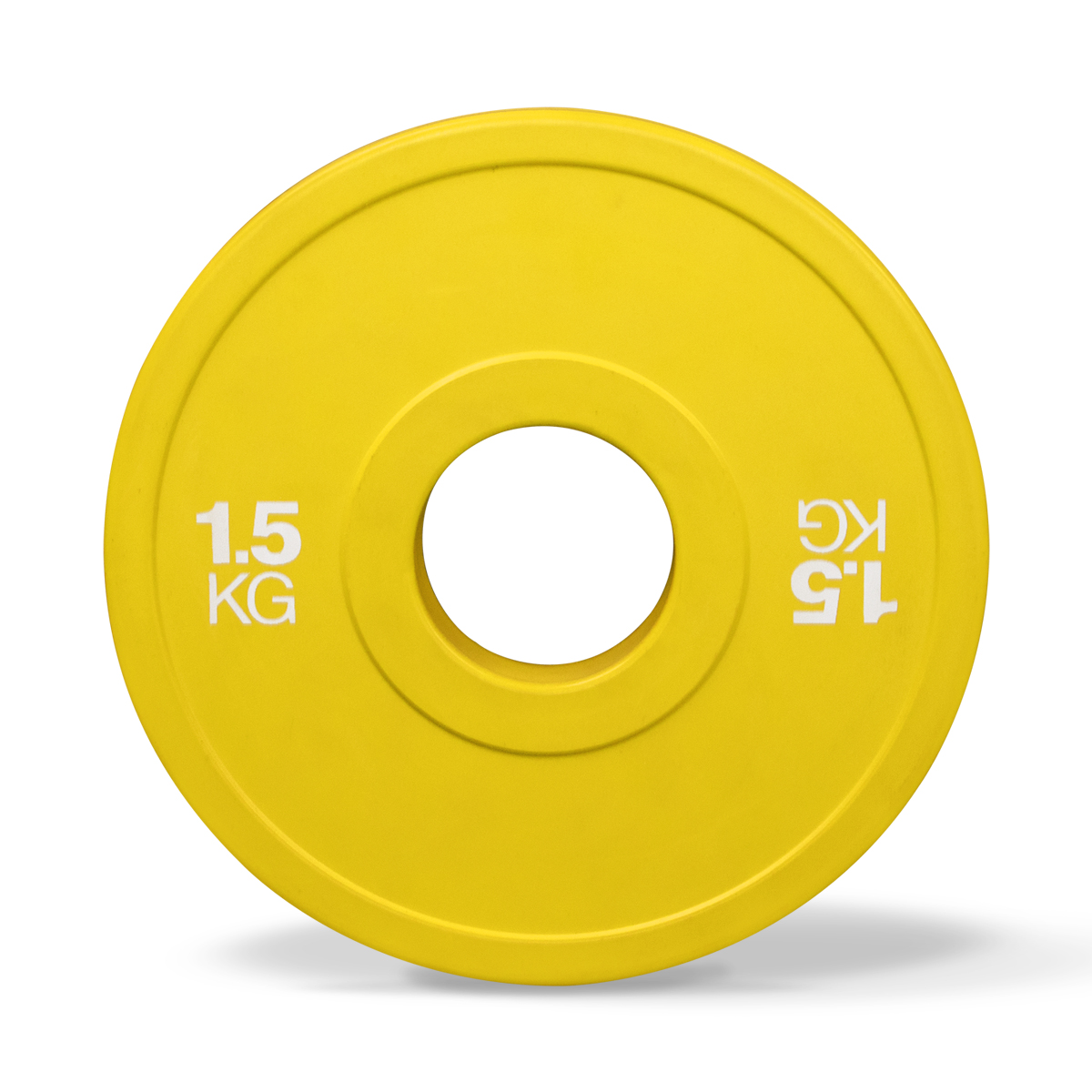
Before you dive into the mechanics discussed in the introduction, you must ensure your equipment is compatible. Not all weight plates and bands are created equal. When choosing how to pair weight plates with resistance bands, consider the surface texture of your plates. Textured cast iron plates generally offer better grip for rubber or latex bands compared to smooth, high-polish bumper plates. Additionally, ensure your resistance bands are high-quality latex or fabric-wrapped models to prevent snapping under tension. Selecting the right gear ensures that your transition from static weight to variable resistance is seamless and safe. Once you have selected your compatible gear, you can focus on the actual setup processes.
Related reading:
Step-by-Step: Setting Up a Barbell with Resistance Bands
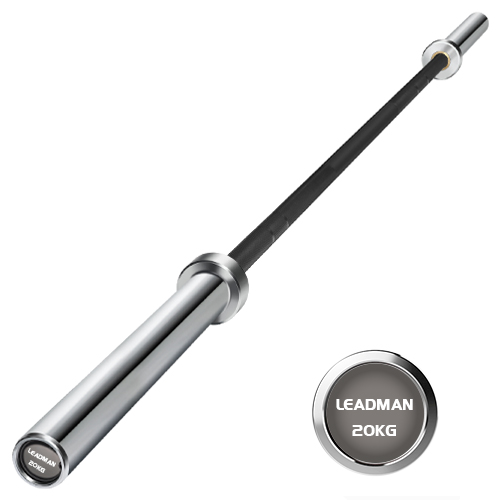
Following the selection of compatible gear, the next logical step is the physical installation. To set up a barbell, first, secure your weight plates onto the sleeves of the bar as you would in a standard lifting session. Once the plates are locked in with collars, you can introduce the resistance. Take your resistance band and loop it over the center of the barbell or hook it onto a specialized attachment. For the most stable setup, many athletes choose to loop the band through the center hole of a weight plate or use a heavy-duty carabiner. This connection point must be centered to avoid uneven torque on the bar. After the bands are securely looped, you are ready to move on to the crucial aspect of weight distribution.
Related reading:
Achieving Symmetrical Loading and Balance
Building on the setup process, achieving symmetrical loading is vital for preventing injury and ensuring even muscle development. When you pair weight plates with resistance bands, you must ensure that the tension is identical on both sides of the barbell. If one band is slightly longer or has a tighter loop than the other, the barbell will tilt, forcing your stabilizer muscles to work overtime and potentially leading to a skewed lift. To ensure perfect symmetry, use the exact same model and thickness of weight plate on both sides, and ensure both bands are anchored at the same distance from the center. Achieving this balance leads directly into the importance of managing load progression.
Related reading:
Managing Variable Resistance and Progressive Overload
Once you have achieved a balanced setup, it is time to understand how this affects your strength curve. The primary benefit of pairing weight plates with resistance bands is the introduction of 'accommodating resistance.' As you lift the weight and the band stretches, the resistance increases. This means the weight is heaviest at the top of the movement (the lockout) and lightest at the bottom. This helps you train through the 'sticking points' of a lift. To master this, start with lighter plate weights and a higher degree of band tension, gradually increasing the weight of the plates as you become accustomed to the increasing tension. As you master these loading patterns, you must remain vigilant about the safety of your connections.
Safety Protocols and Attachment Security
Because the setup involves combining two different types of physical tension, safety must remain your top priority. While the loading patterns described above drive progress, they also create unique stresses on your equipment. It is vital to use high-quality collars to keep your weight plates from shifting, as the movement of the resistance band can create micro-vibrations that might loosen standard clamps. Always ensure that the anchor point of your band is robust and that the band itself is not rubbing against the sharp edges of the weight plates. Maintaining a secure connection is a prerequisite for the advanced techniques used in professional strength training. However, even with a secure setup, environmental factors can play a role.
Environmental Factors and Equipment Longevity
Beyond the immediate mechanical setup, you should be aware of how your training environment impacts your equipment. Temperature and humidity can change the way resistance bands behave. For instance, extreme heat can make rubber-based bands more pliable and potentially more prone to slipping, while extreme cold can make them less elastic. Similarly, the grip of your weight plates can be affected by moisture or condensation. Being aware of these variables ensures that your training remains consistent regardless of the setting. Understanding these external influences leads us to the final, most important step: regular maintenance and inspection.
Related reading:
Routine Maintenance and Inspection Standards
As a final note on how to pair weight plates with resistance bands effectively, you must commit to a strict inspection routine. Because the combination of heavy plates and high-tension bands creates significant mechanical stress, your equipment will experience more wear and tear than standard lifting gear. Regular visual and physical checks are essential to identify any degradation before it leads to failure. By combining high-quality equipment with disciplined maintenance and a deep understanding of resistance mechanics, you can safely unlock a new level of athletic performance. Mastering these elements ensures that your hybrid training is both productive and sustainable for the long term.