Smart Equipment Buying for Small Studios on a Budget
You are planning to open a small fitness studio, or maybe you want to upgrade your existing one. The budget is tight—maybe 50,000 yuan, 80,000 yuan, 100,000 yuan at most. You open the supplier catalog and see squat racks, functional trainers, bumper plates, dumbbells, benches, flooring mats… every single item looks like a "must-have." The anxiety kicks in: not enough money. What do you do?
We have seen this scenario too many times. The first mistake most studio owners make when buying equipment is not overpaying—it is buying in the wrong order. They buy what looks "professional" first, and what is actually "needed" later. The result? Money is spent, space is filled, but the member training experience is still lacking. The equipment is all there, but something always feels off.
Further reading:
A smart equipment buying decision is not about buying the most expensive gear. It is about buying the right gear. The right equipment, the right quantity, the right order, the right timing. This article breaks down the buying logic into three dimensions: priority ranking, value assessment, and purchasing timing and channels. By the end, you will know how to make 50,000 yuan deliver the impact of 100,000 yuan.
Step One: Set Your Equipment Priorities
When the budget is tight, the worst thing you can do is "buy a little bit of everything." A squat rack here, a functional trainer there, a set of dumbbells, a few barbells, some plates—you buy a bit of each, and none of it is sufficient. The result? The equipment looks complete, but every workout feels limited. Members try to run a full strength program and discover they are missing pieces everywhere.
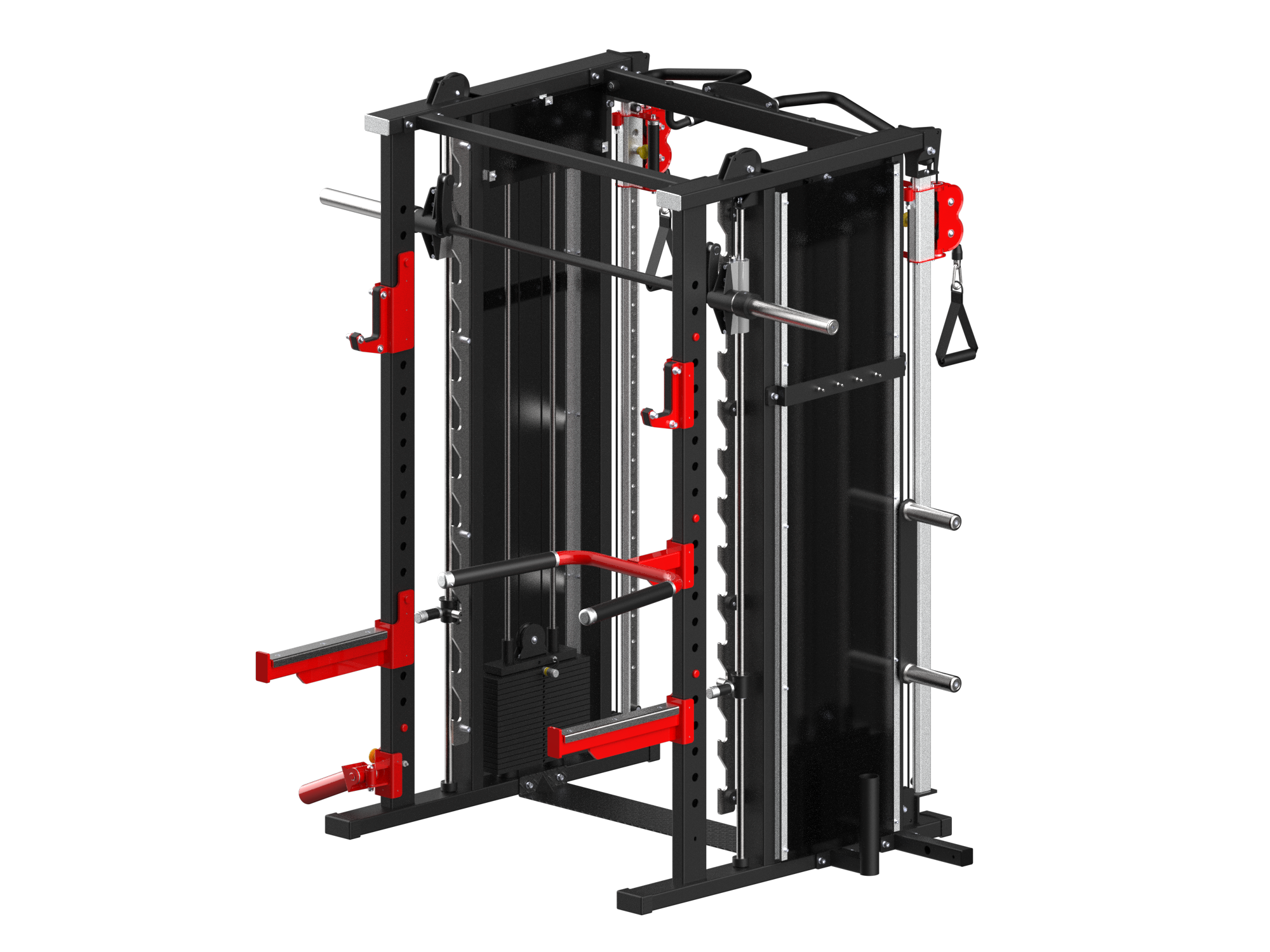
This is where the concept of the "core training chain" comes in. What is the minimum set of equipment needed to complete a full strength training cycle? The answer: one piece of equipment that supports squats, bench presses, and deadlifts (a power rack or functional trainer), a set of free weights that covers different weight ranges (bumper plates + barbells), and a set of handheld weights for different training needs (dumbbells or kettlebells). These three items form the skeleton of your training floor. Everything else is just flesh on the bones.
When the budget is tight, prioritize the completeness and quality of these three core items above all else.
Must-Haves vs. Nice-to-Haves
The "non-negotiable" equipment list for a small studio is very short: one multi-functional trainer or rack (squats, bench press, pull-ups), a full set of bumper plates (covering all training weight ranges), and one set of adjustable dumbbells (space-saving, covering most training scenarios). These three items are the training core of your studio—without them, you cannot even open your doors.
Everything else is "nice-to-have." A dedicated bench is nice, but you can use the bench attachment on your trainer. A cable attachment is nice, but your trainer already has cables. Kettlebells are nice, but dumbbells cover most kettlebell movements. When the budget is tight, cross all these "nice-to-haves" off the list. Add them later when cash flow stabilizes.
Here is a simple rule: if members can perform the same movement using other equipment today, do not buy it. If they cannot, put it on the must-have list.
Prioritize Member Needs, Not Personal Preferences
This is the most common buying mistake. The owner loves powerlifting, so they buy a heavy-duty squat rack and tons of plates. But the studio's members are mostly there for group classes and functional training. Equipment sits idle. Money is wasted. Member needs go unmet.
Buying decisions should serve member data, not the owner's personal preferences. If you are not sure what your members actually need, run a simple training preference survey. Ask three questions: "How many times per week do you train?" "What is your favorite exercise?" "What fitness quality do you most want to improve?" Collect twenty responses, and you will have a clear picture of what to buy first.
When your purchases are backed by member data, the equipment you buy will be "tools for your members," not "toys for the owner."
Step Two: Assess True Value, Not Just Price
Many studio owners look at the unit price when buying equipment—this rack is 8,000 yuan, that one is 5,000 yuan, so the cheaper one is the better deal. But "cheaper" and "better value" are two completely different things.
The real way to measure equipment value is to calculate total cost—not "how much you pay at purchase," but "how much it costs while you use it." If the cheaper equipment takes up more space, breaks down more often, has a shorter lifespan, and gives members a worse experience—three years later, you will realize that the cheaper equipment actually cost you more.
Functional Density Is the Key Metric
In our first blog post, we introduced the concept of "functional density." The formula: functional density = number of training functions the equipment supports ÷ floor area occupied. Run this calculation on every piece of equipment you are considering, and you will notice a pattern: single-function equipment has low functional density; multi-functional equipment has high functional density.
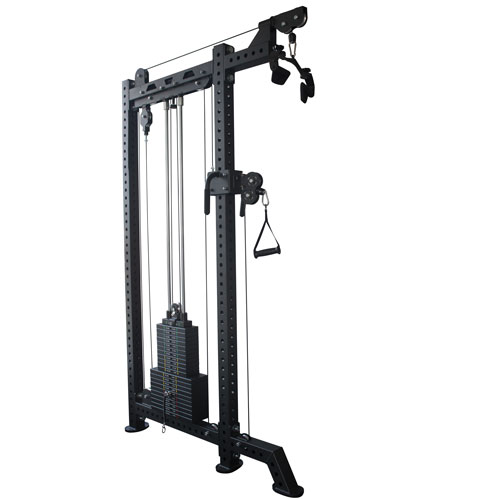
Here is a concrete example. A traditional power rack occupies 2.5 square meters and supports primarily squats and bench presses—functional density of about 1.2. A multi-functional trainer occupies 1.8 square meters and supports over 15 movements—functional density over 8. Even though the trainer costs 30 percent more per unit, it delivers six times the value per square meter. Which one is the better deal? The answer is obvious.
When calculating your purchase budget, do not just look at "equipment price." Also factor in "space cost"—floor area × monthly rent × years of use. Over five years, space cost often exceeds the equipment itself. Equipment that saves space, even with a higher unit price, is cheaper in the long run.
Calculate Total Cost of Ownership
From purchase to disposal, how much does a piece of equipment actually cost? Three components: purchase price + space cost + maintenance cost. Most owners only calculate the first one and ignore the rest.
Let us run a concrete comparison. Option A: a 5,000 yuan power rack, occupying 2.5 square meters, with 1,000 yuan in maintenance over five years. Option B: a 7,500 yuan functional trainer, occupying 1.8 square meters, with 800 yuan in maintenance over five years. At 200 yuan per square meter per month, the five-year space cost for the rack is 2.5 × 200 × 12 × 5 = 30,000 yuan. For the trainer, it is 1.8 × 200 × 12 × 5 = 21,600 yuan. Total cost comparison: rack at 5,000 + 30,000 + 1,000 = 36,000 yuan; trainer at 7,500 + 21,600 + 800 = 29,900 yuan. The more expensive equipment is actually cheaper.
Spending an extra 2,500 yuan at purchase saves you 6,000 yuan over five years—that is the power of total cost thinking. Do not let the "unit price" fool you. Calculate the "total cost of ownership."
Step Three: Timing and Channels Matter
Buying equipment is not just about "what" and "how much." It is also about "when" and "from where." The same equipment, at different times and through different channels, can come with very different prices and service levels.
Bulk Buying vs. Phased Buying
Bulk buying has clear advantages: one order means you can request consistent colors (visual cohesion), consolidated shipping (lower logistics costs), and suppliers are more willing to offer discounts. The downside: heavy cash flow pressure, and if you buy wrong, you buy wrong in bulk.
Phased buying has the advantage of lighter cash flow pressure. You can also adjust your future orders based on member feedback after the first batch is in use—if members say "we need another pair of dumbbells," you buy dumbbells. If they say "we want battle ropes," you buy battle ropes. Decisions are more flexible and risk is lower. The downside: color consistency across batches may suffer, and per-unit pricing may be higher.
The recommended approach is a hybrid strategy: buy core equipment (trainer, plates, barbells) in one batch to ensure complete core functionality and consistent colors. Buy auxiliary equipment (dumbbells, kettlebells, attachments) in phases, gradually adding based on member feedback. This keeps your training floor operational from day one while preserving flexibility.
Factory Direct vs. Distributor
Buying factory direct (OEM/ODM) offers advantages: lower prices (no middleman), more customization options (colors, logos, finishes available on request), and direct communication. The downsides: higher minimum order quantities, potentially longer lead times, and it may not be cost-effective for small orders.
Distributors offer advantages: flexible small-batch, multi-product ordering, local services (installation, after-sales), and quick response times. The downsides: prices are 15-30 percent higher than factory direct, customization options are limited, and communication can be slower due to the middle layer.
For small studios, the recommended strategy is: buy core equipment factory direct (larger quantities, clear customization needs), and buy auxiliary equipment from distributors (varied types, small quantities, need flexible restocking).
Further reading:
Case Study—How to Allocate a 50,000 Yuan Budget
Below is a sample budget allocation for 50,000 yuan. Actual prices will vary by supplier, customization requirements, and region, but the proportional structure serves as a useful reference for decision-making.
| Equipment Category | Budget | % | Notes |
|---|---|---|---|
| Core Strength Equipment | 25,000 yuan | 50% | Multi-functional trainer (factory custom, unified color scheme) |
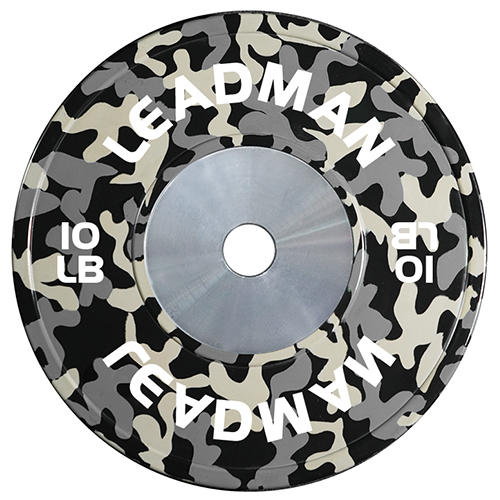
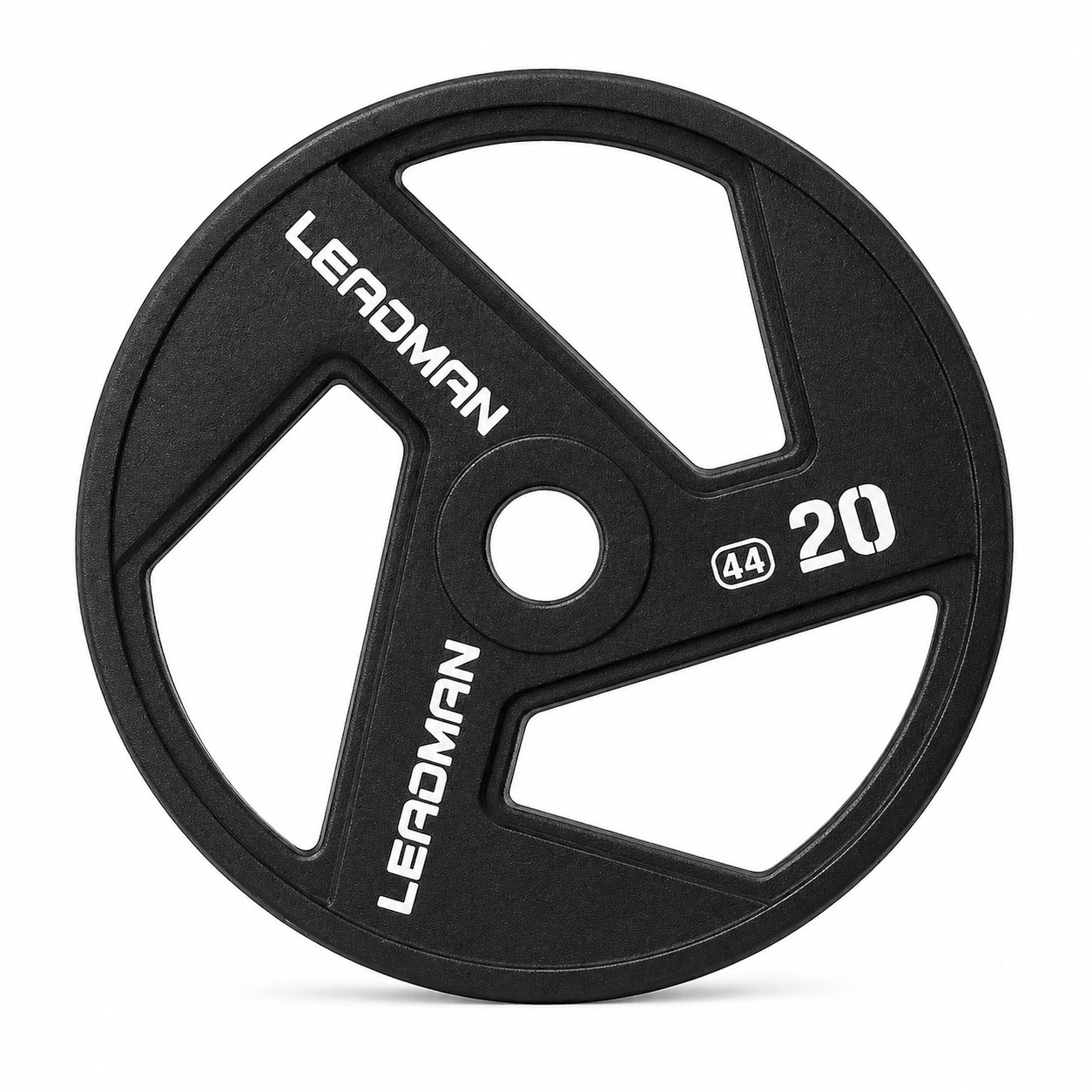
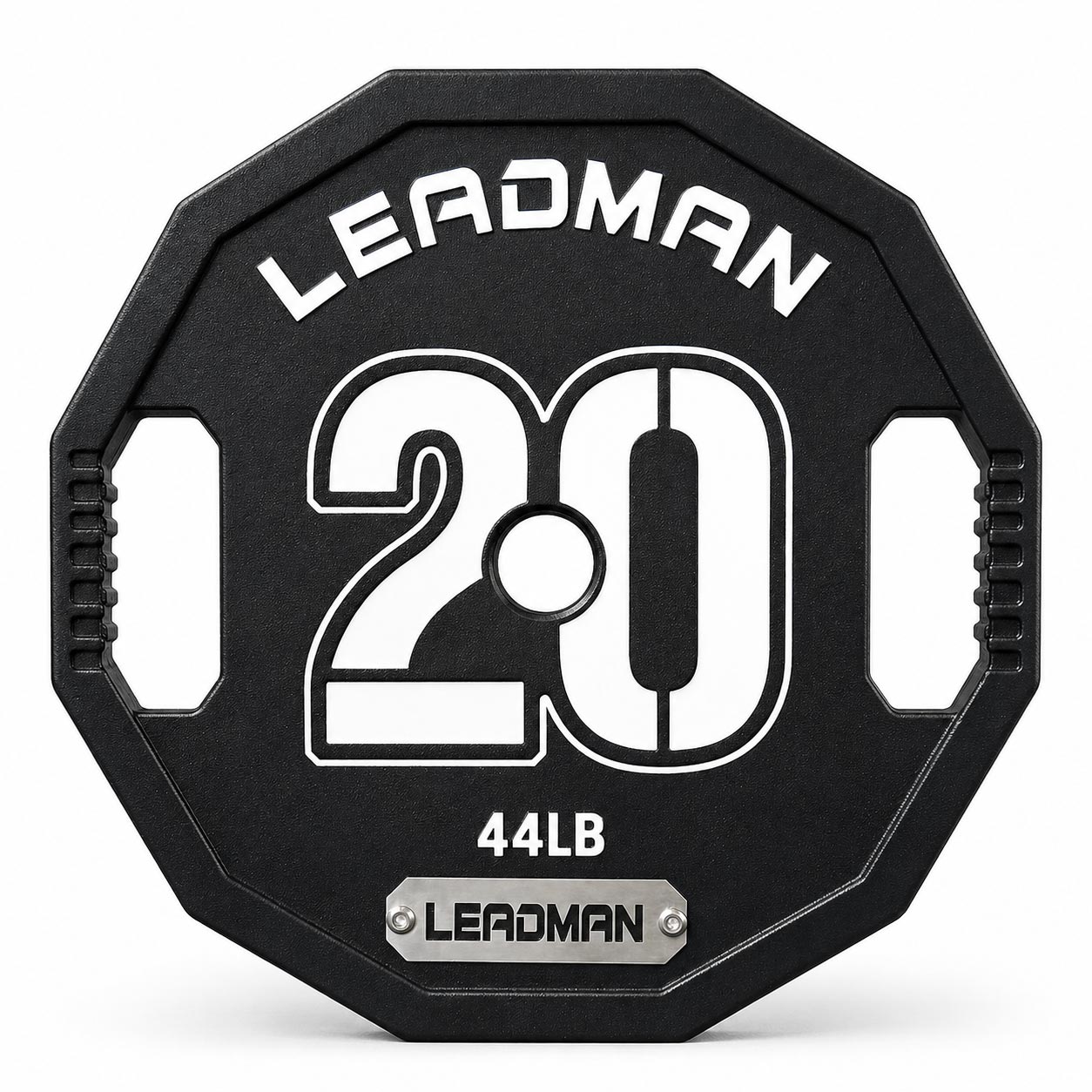
| Free Weights | 12,500 yuan | 25% | Bumper plate set + barbells + adjustable dumbbells |
| Auxiliary Equipment | 7,500 yuan | 15% | Bench, rubber flooring, storage racks |
| Visual Cohesion | 5,000 yuan | 10% | Unified colors + logo customization |
The core logic of this allocation is to put the most money into the most frequently used equipment. The trainer is the highest-use piece in any studio—it deserves the biggest budget. Free weights are the second most used category—they come next. Auxiliary equipment can be economy-grade because the "experience difference" between a cheap bench and an expensive one is far smaller than the difference between a cheap trainer and a good one. And do not forget to reserve budget for visual cohesion—that is the foundation of your brand premium.
Further reading:
Common Buying Mistakes
Through years of helping studios make purchasing decisions, we have seen three mistakes repeat over and over. Avoid these, and your buying decisions will improve dramatically.
Mistake #1: "Buy Cheap Now, Upgrade Later"
This logic sounds reasonable—the budget is tight, so buy cheap equipment for now, and when you start making money, upgrade to better gear. But reality rarely works this way. Cheap equipment delivers a poor experience. Members may not stick around long enough for you to "upgrade later." Cheap equipment also has a shorter lifespan, requires more maintenance, and has lower resale value. When you actually want to upgrade, you cannot sell the old gear, and you cannot afford the new gear. You are stuck in the middle.
The smarter strategy is to buy your core equipment right the first time. Buy fewer pieces if you have to, but buy good ones. Fifty thousand yuan spent on three good pieces of equipment is a better decision than fifty thousand yuan spent on six cheap pieces. Members do not stay because you have more equipment. They stay because your equipment works well.
Mistake #2: "More Equipment Is Better"
Many first-time studio owners have "equipment anxiety"—they worry that if they do not have enough equipment, members will be turned off. So they cram as much gear as possible into the space, squeezing aisles down to 60 centimeters. Now they have more equipment, but members cannot move during peak hours.
The logic for small studios is: every square meter must generate value—not "fill the space to look professional." Five pieces of equipment that all get used are better than ten pieces where five sit idle. In purchasing decisions, "usage rate" matters more than "total quantity."
Mistake #3: "Customization Is for Big Brands"
We covered the importance of visual cohesion in detail in blog post #3. But many small studio owners think "custom colors and logos are only for large chains." This is a misconception. The cost of color coordination is not high—simply request black or your brand color when ordering from the factory. Many suppliers do not charge extra, or charge very little. Logo customization typically involves mold or printing costs, but spread across the total order, the per-piece increase is minimal.
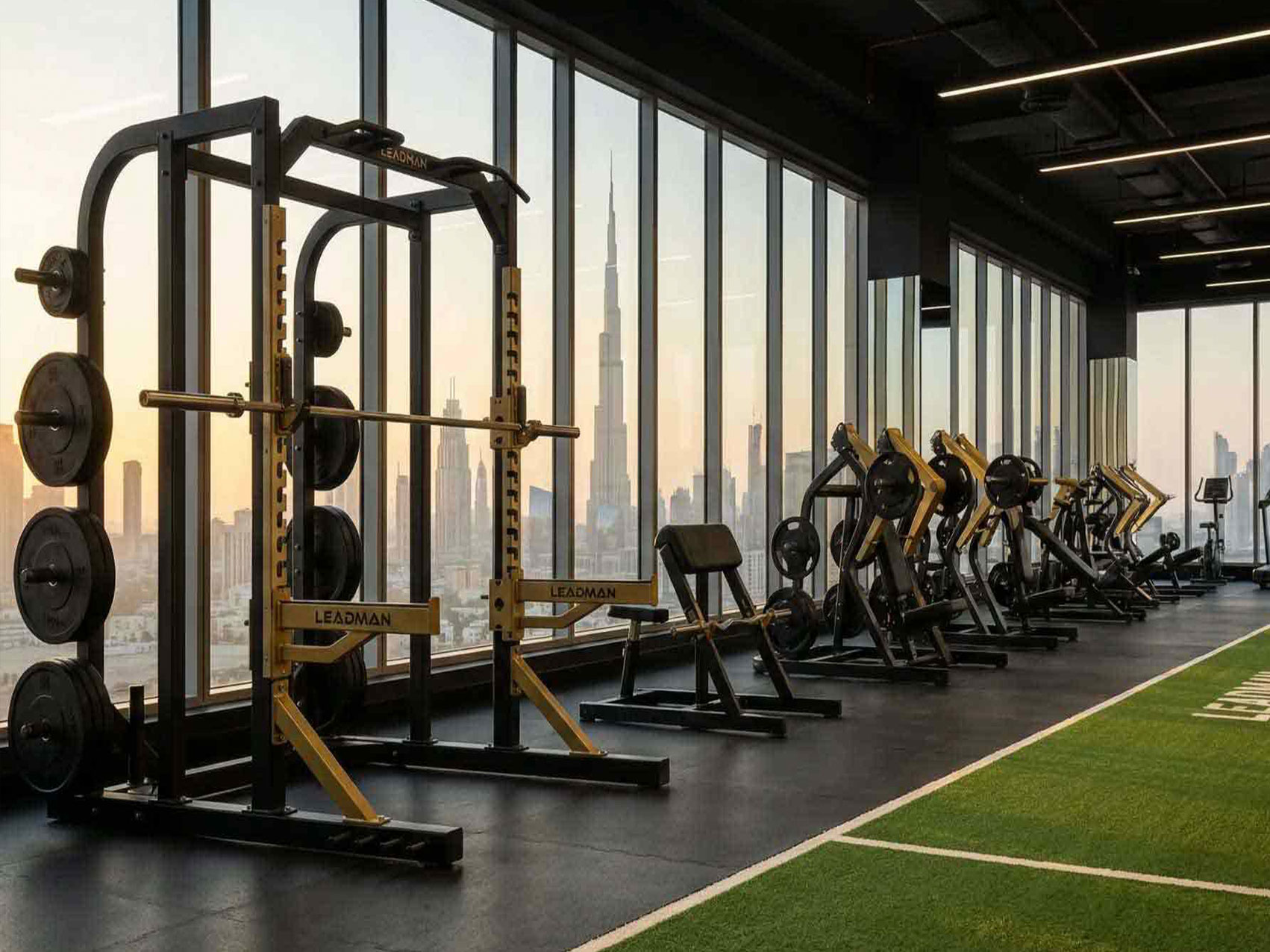
The most expensive thing is not customization—it is inconsistency. Mismatched equipment makes your space look cheap and unprofessional, directly lowering members' perceived value and renewal willingness. We already ran the numbers in blog post #3: a 15 percent pricing gap for small studios means tens of thousands of yuan per year. That gap far exceeds the cost of customization.
Further reading:
Equipment Buying Is Not a One-Time Event—It Is Ongoing Planning
Many studio owners treat equipment buying as a "done once, forget forever" task. They buy a batch before opening and never think about it again. Three years later, they look back and see declining space utilization, aging equipment, and shrinking membership. Equipment buying is not a one-time project. It is a continuous process of optimization and iteration.
Conduct an equipment usage audit every six months: which pieces are used daily (core assets), which are used less than once a week (maybe need repositioning or replacement consideration), and which are barely touched (consider removing to free up space). Equipment buying is not "buy and forget." It is "buy and continuously track performance."
Every time you add new equipment, ask yourself three questions: What is the expected usage frequency of this piece? Does the space it occupies have a higher-value alternative use? Does its color and style unify with existing equipment? These three questions will help you avoid impulse purchases and ensure every new buy serves your long-term goals.
Your equipment is your studio's biggest asset—not just on the balance sheet, but in your members' training experience and retention. Plan every purchase carefully. Make every piece of equipment truly "work for you," not just "exist in your space."