
Self-Powered Gym Equipment—A Hotel's ESG Strategy
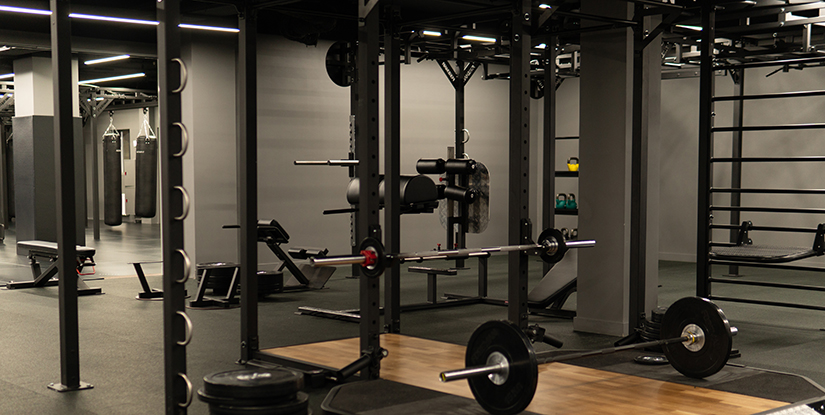
The Invisible Drain: Addressing Energy Consumption in Hotel Fitness Centers
For modern hotel operators, the fitness center often represents a significant, constant drain on building energy resources. Traditional treadmills, stationary bikes, and elliptical trainers require constant electrical connectivity to power their consoles, fans, and digital displays. This creates a two-fold problem: a continuous baseline load even when the equipment is idle, and a significant spike in energy demand during peak usage hours. For hospitality groups aiming to meet ambitious Environmental, Social, and Governance (ESG) targets, these 'always-on' energy sinks represent a failure in optimizing resource efficiency.
The core cause of this inefficiency is the reliance on the building's central power grid for every individual component of a fitness unit. When a hotel attempts to transition to a 'green' or 'sustainable' model, they often focus on HVAC or lighting, yet ignore the high-wattage constant draw of a standard commercial gym. Moving toward self-powered gym equipment offers a tangible method to decouple fitness amenities from the main electrical grid, effectively turning a liability into an asset.
Identifying the Energy Leakage
To quantify the impact, operators should look at the standby power consumption of standard electronic equipment. Even when not in use, the control boards and standby circuits of commercial-grade machines draw a steady current. By replacing these with kinetic-energy harvesting units, a hotel can significantly lower its operational carbon footprint. To verify the improvement, operators must compare the total KWh consumption of a traditional gym footprint against a self-powered installation over a standard 12-month cycle.
Understanding the Mechanism of Kinetic Energy Harvesting
Self-powered gym equipment operates on the principle of electromagnetic induction or high-efficiency kinetic conversion. Instead of drawing current from a wall outlet, these units use the physical movement of the user—whether through pedaling, running, or rowing—to spin an internal generator. This generator converts mechanical energy into electrical energy, which is then used to power the machine's internal console and, in some high-end models, can even feed excess electricity back into a small internal storage system or the building's local grid.
The mechanism involves a highly efficient drive train and a specialized generator unit. As the user engages the machine, the resistance (controlled by the user) drives a flywheel or a magnetic braking system. This rotation spins a permanent magnet generator, creating a current that is rectified and stabilized for the digital interface. This internal circuitry is designed to work even at low intensity, ensuring that even casual users can activate the screen and tracking features without an external power source.
The Technical Advantage of Off-Grid Fitness
Because these machines do not require a physical connection to the building's electrical infrastructure, they offer unparalleled flexibility in floor plan design. They eliminate the need for complex cable management, floor outlets, or high-voltage wiring runs, which are often expensive and difficult to modify in existing luxury hotel properties. This technical simplicity reduces the risk of electrical interference and eliminates the 'ghost load' associated with traditional gym equipment.
| Feature | Standard Commercial Equipment | Self-Powered Equipment |
|---|---|---|
| Power Source | External Electrical Outlet | User-Generated Kinetic Energy |
| Standby Power Draw | Constant (Low to Moderate) | Zero |
| Installation Complexity | High (Requires Wiring/Outlets) | Low (Plug-and-play or Wireless) |
| ESG Contribution | Neutral to Negative | Positive (Energy Generation) |
| Maintenance Focus | Electrical Circuitry & Wiring | Mechanical Drive & Generator |
Related reading:
Strategic Integration of Self-Powered Equipment into ESG Frameworks
An effective ESG strategy requires more than just 'green' marketing; it requires quantifiable data that can be reported to stakeholders and investors. Integrating self-powered gym equipment serves as a direct evidence point for the 'Environmental' pillar of ESG. It moves the conversation from intangible promises to measurable energy reduction. When a hotel can demonstrate that its fitness facilities are powered entirely by guest activity, it provides a compelling narrative of sustainable luxury.
The 'Social' pillar is also addressed through the promotion of wellness and physical health in a way that feels connected to the global effort of sustainability. Modern travelers, particularly Gen Z and Millennials, actively seek out accommodations that align with their environmental values. A gym that generates its own energy is a powerful physical touchpoint that validates a hotel's commitment to a sustainable lifestyle.
Measuring the ESG Impact
To move from theory to reporting, operators must follow a specific verification protocol. First, document the baseline electrical consumption of the fitness area before the transition. Second, monitor the peak demand reduction in the building's electrical system during high-usage periods. Finally, calculate the estimated carbon offset achieved by replacing grid-dependent machines with self-powered units. This data can then be integrated into annual sustainability reports.
Related reading:
Kettlebell Revolution: Innovations and the Future of Fitness
Selection Criteria for High-Performance Self-Powered Units
Selecting the right equipment is a critical decision that can either bolster or undermine a hotel's ESG goals. A common mistake among procurement managers is prioritizing low upfront cost over the total lifecycle energy efficiency and durability. If the internal generator is prone to failure or requires frequent specialized service, the long-term environmental and financial benefits are negated.
When evaluating potential units, operators should prioritize the 'Ease of Use' vs. 'Energy Generation' ratio. A machine that requires an extremely high level of physical effort just to turn on the screen will see lower engagement and, consequently, lower energy generation. The ideal unit provides a smooth, intuitive resistance profile that encourages consistent use while maximizing electrical output.
Key Technical Parameters to Verify
- Resistance Smoothness: Does the machine maintain consistent resistance levels during the energy generation process?
- Console Autonomy: How quickly does the interface react to the initial movement of the user?
- Generator Durability: Is the internal generator rated for high-frequency, 24/7 commercial use?
- Footprint & Weight: Does the addition of the generator increase the weight significantly, impacting flooring requirements?
Operational Maintenance and Troubleshooting Protocols
Unlike traditional equipment, self-powered machines have a specialized component: the kinetic generator. This introduces a different set of maintenance requirements. A common failure mode in these machines is a perceived 'loss of power' to the console, which is often not an electrical failure but a mechanical one—such as a loose drive belt or a buildup of dust within the generator housing. If the mechanical movement is restricted, the electrical output will drop, leading to a frustrating user experience.
To prevent these issues, a tiered maintenance schedule is necessary. This should involve regular visual inspections of the moving parts and periodic cleaning of the air intake areas to ensure the generator remains cool and unobstructed. Most importantly, the mechanical integrity of the drive train must be checked regularly to ensure that the energy transfer is as efficient as possible.
Standard Maintenance Checklist
| Task | Frequency | Verification Method |
|---|---|---|
| Visual Inspection of Drive Belt | Monthly | Check for fraying, cracks, or tension loss. |
| Internal Component Dusting | Quarterly | Use compressed air to clear generator vents. |
| Resistance Calibration | Bi-Annually | Test resistance levels against standard settings. |
| Console Connectivity Test | Monthly | Verify the screen activates instantly upon movement. |
Mitigating Common Installation and Operational Mistakes
One of the most frequent mistakes during the procurement phase is failing to account for the physical weight of self-powered units. Because these machines house a generator and often a more robust flywheel to manage kinetic energy, they can be significantly heavier than their standard counterparts. Installing them on raised flooring or older hotel structures without verifying load-bearing capacity can lead to structural concerns over time.
Another mistake is neglecting the 'user experience' component of the power-up process. In a high-end hotel, guests expect seamless technology. If a guest has to struggle for 30 seconds just to get a treadmill screen to turn on, it creates a perception of poor quality. Operators must ensure that the equipment chosen has a highly responsive sensor system that triggers the electronics with minimal resistance.
Operational Verification Steps
Before launching a new fitness center with self-powered equipment, follow these steps: 1. Conduct a 'dry run' with staff to test the power-up speed of every machine. 2. Verify the physical stability of the machines on the existing flooring. 3. Check that all digital interfaces are legible and do not flicker during high-intensity use. 4. Audit the electrical room to ensure no unexpected power surges occur when machines are in use (though they should be drawing zero current).
Future Outlook: The Evolution of Sustainable Hospitality Amenities
The transition to self-powered gym equipment is only the beginning of a larger trend toward autonomous, energy-positive hotel amenities. As battery technology and energy storage become more efficient, we can expect to see fitness centers that not only power their own machines but also contribute surplus energy back to the hotel's microgrid. This evolution will turn fitness centers from energy consumers into localized power plants.
Furthermore, the integration of AI and IoT (Internet of Things) with self-powered technology will allow hotels to track not just the physical fitness of their guests, but the actual energy-generation metrics of their facilities in real-time. This data will become a cornerstone of the 'Smart Hotel' model, where every guest interaction is both a wellness opportunity and a contribution to a more sustainable planet.
Related reading:
Optimizing Long-Term ROI Through Green Investment
While the initial capital expenditure (CAPEX) for self-powered equipment can be higher than traditional models, the long-term operational expenditure (OPEX) savings and the brand value gained are substantial. The return on investment (ROI) is realized through three distinct channels: lower electricity bills, reduced electrical maintenance/rewiring costs, and the increased marketability of a truly sustainable hotel brand.
When presenting this to stakeholders, move the argument away from 'buying gym machines' and toward 'investing in a sustainable utility.' By treating the fitness center as a component of the hotel's energy infrastructure, the procurement process becomes a strategic decision that supports the organization's long-term financial and environmental health.