How to Use Weight Plates for Full-Body Workouts
Weight plates are far more than just accessories for a barbell; they are versatile tools capable of driving significant hypertrophy and functional strength across your entire physique. Whether you are a seasoned lifter or a beginner looking to add variety to your routine, understanding how to use weight plates for full-body workouts can unlock new levels of stability and core engagement. In this guide, we will explore the selection, application, and mastery of plate-based training.
Understanding the Different Types of Weight Plates
Before diving into specific movements, it is essential to understand the equipment you are holding. While the primary goal is resistance, the material and thickness of the plate significantly impact your training experience. Having mastered the basic types, you can now select the best tool for your specific movement patterns.
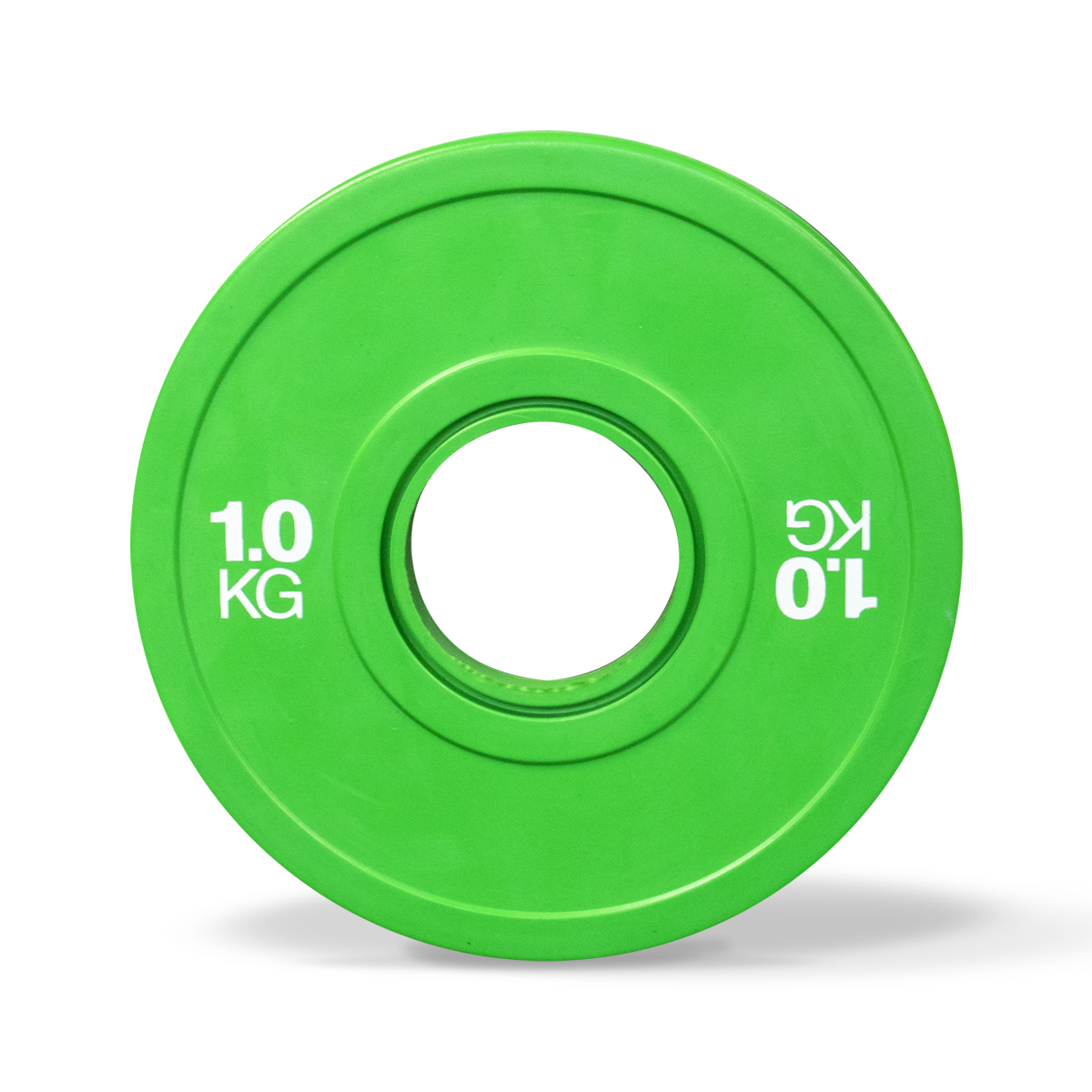
- Cast Iron Plates: These are compact and high-density, making them ideal for barbell-centric movements or high-intensity drills where space on the bar or in the hand is limited.
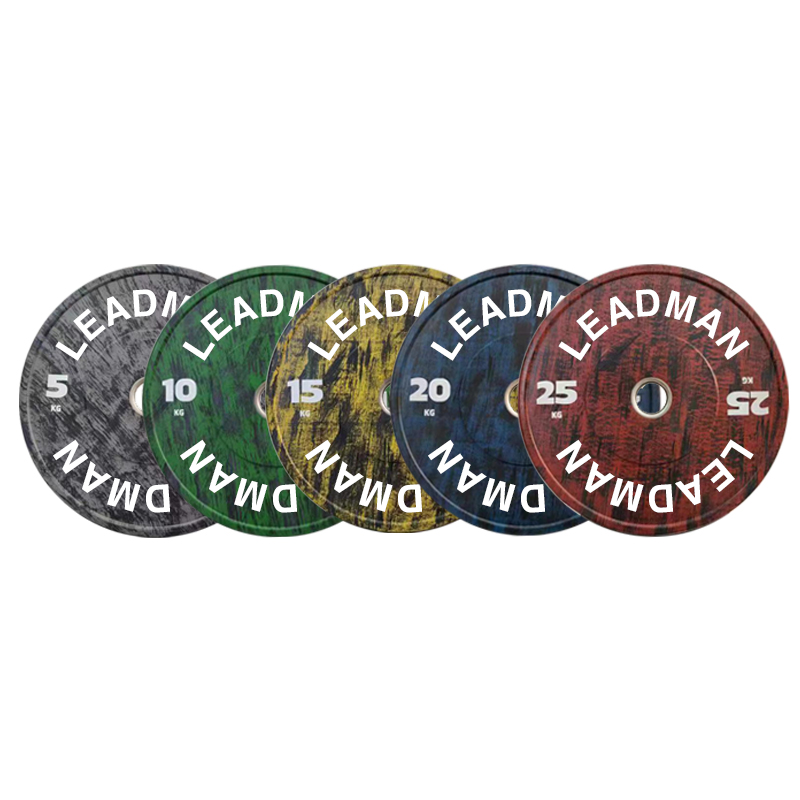
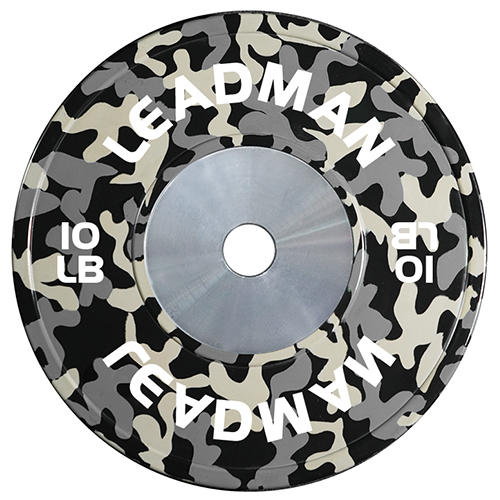
- Bumper Plates: Often made of high-density rubber, these are designed to withstand impact. They are the gold standard for dynamic exercises like plate ground-to-overhead movements.
- Vinyl-Coated Plates: These offer a smoother finish and are often preferred for home gym environments to reduce noise and protect flooring.
Once you have chosen your preferred plate type, you must learn how to integrate them into fundamental movement patterns like squats and lunges.
Related reading:
Mastering Lower Body Strength with Plate Variations
Building on your knowledge of plate types, you can now utilize them to challenge your lower body stability and power. While traditional barbell squats are excellent, plate-based variations shift the center of gravity, forcing your core to work harder to maintain upright posture.
The Goblet Squat
The goblet squat is perhaps the most effective way to use a plate for lower body development. By holding a plate against your chest, you create a counterbalance that allows for deeper knee flexion and better spinal alignment. Ensure the plate is held tight against the sternum to keep the center of gravity close to your torso, preventing the common mistake of rounding the upper back.
Weighted Lunges and Step-Ups
To transition from pure strength to functional stability, hold a plate at your chest or use it to add resistance during unilateral movements. This forces the stabilizing muscles around the hips and ankles to respond to uneven weight distribution, a crucial element in real-world athleticism.
After developing a strong foundation in the lower body, the next step is to transition that stability into upper body pressing and pulling movements.
Upper Body Power: Presses and Rows
Moving up from the lower body, weight plates offer a unique way to challenge your shoulders and back. Because plates can be held in various grips, they provide a different stimulus than standard dumbbells or barbells.
Plate Front Raises and Overhead Presses
Using a plate for an overhead press requires significant shoulder stability. Unlike a dumbbell, the wide circumference of a plate can create a different lever arm. To improve your stability, use a 'palm-flat' technique, increasing the surface area of contact. This not only strengthens the deltoids but also engages the serratus anterior and upper trapezius.
Bent-Over Plate Rows
For back development, the plate serves as an excellent tool for rowing. By gripping the edge of the plate, you can manipulate the tension in your lats and rhomboids. This movement complements the pressing patterns mentioned above, ensuring a balanced upper body physique.
While the upper body and lower body are essential, true full-body conditioning requires a focus on the midsection through core-specific plate work.
Related reading:
Core Stability and Rotational Strength
While the previous sections focused on limb strength, your core acts as the bridge between your upper and lower body. Using a plate for core training adds a dynamic component that traditional floor exercises lack.
Plate Russian Twists and Woodchoppers
The Russian twist is a classic for a reason: it targets the obliques through rotational resistance. However, you must prioritize control over speed. Rapid movements with a plate can create unpredictable torque that may strain the lumbar spine if the core is not sufficiently stable. Similarly, the plate woodchopper introduces diagonal resistance, which is vital for functional rotational power.
Weighted Planks and Holds
For a stationary challenge, placing a plate on your lower back during a plank significantly increases the difficulty of maintaining a neutral spine. This isometric hold builds the deep core strength necessary to support your heavy lifting sessions.
With a comprehensive understanding of how to target every muscle group, we must now address the technicalities of scaling and equipment longevity.
How to Scale Difficulty and Intensity
One of the most significant advantages of using weight plates is the ability to scale difficulty without necessarily purchasing more equipment. If you find a movement too easy, you don't always need a heavier plate; you can simply change the mechanics.
- Adjust the Lever Arm: By holding the plate further from your body (increasing the distance from the center of mass), you increase the resistance and stability requirement.
- Tempo Manipulation: Slowing down the eccentric (lowering) phase of a movement increases time under tension, driving more muscle growth.
- Grip Variations: Shifting from a two-handed grip to a one-handed grip (where appropriate) will drastically increase the demand on your stability and lateral core strength.
As you progress through these scaling methods, maintaining the quality of your equipment becomes paramount to ensure safety and performance.
Equipment Maintenance and Inspection
To ensure your training remains safe and effective, you must treat your weight plates with care. Improper handling can lead to imbalances or even injury.
Routine Inspection Protocols
Regularly check your plates for any signs of wear or damage. This includes looking for surface cracks in cast iron plates, tears in rubber or vinyl coatings, and any signs of deformation in the plate's circularity. A warped plate can lead to uneven weight distribution during dynamic movements.
Safe Storage Solutions
Proper storage is not just about organization; it is about preserving the integrity of the equipment. While it may be tempting to leave plates on the floor, long-term floor storage can lead to deformation or surface damage. It is highly recommended to use dedicated vertical or horizontal weight racks to keep your plates in optimal condition.
Related reading:
Summary of Full-Body Plate Training
Mastering the use of weight plates allows for a highly efficient, space-saving, and versatile approach to fitness. By cycling through the exercises discussed—from goblet squats for the legs to overhead presses for the shoulders and rotational work for the core—you can achieve a well-rounded, athletic physique. Remember to prioritize form, scale with intelligence, and maintain your equipment to ensure long-term success in your strength journey.