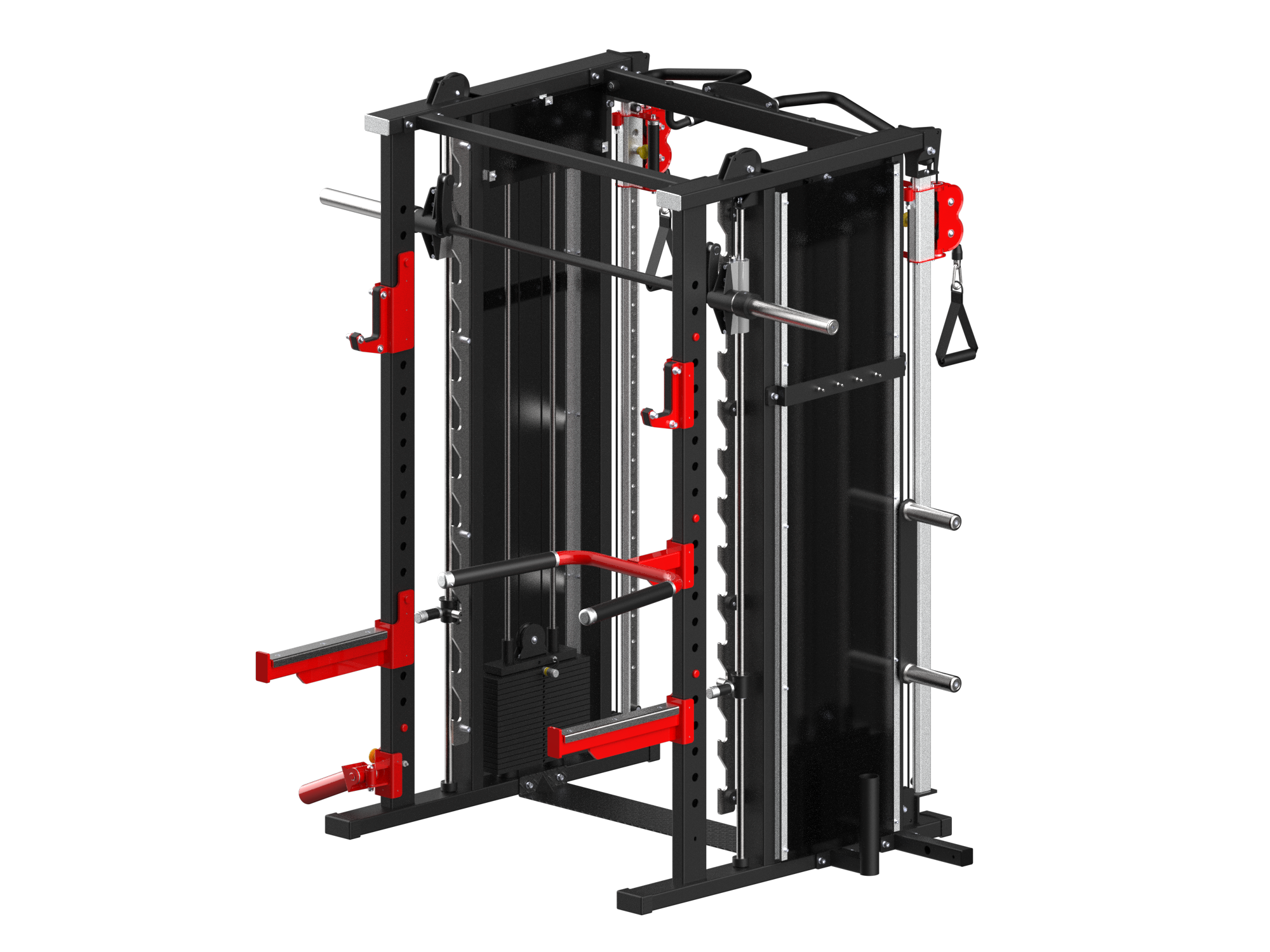
Precision Engineering in Fitness Equipment Manufacturing: A Technical Guide
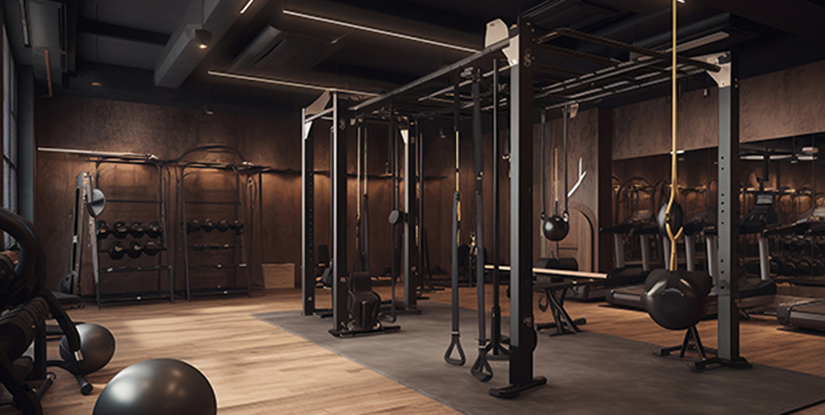
The Strategic Lifecycle of Fitness Equipment Production
The journey of a high-performance piece of gym machinery is not merely a sequence of assembly, but a highly controlled lifecycle that begins long before the first piece of steel is cut. For facility operators and procurement professionals, understanding this lifecycle is the difference between investing in durable assets and managing a constant cycle of repairs. A professional fitness equipment manufacturer operates within a rigorous framework: from initial conceptual design and material specification to deployment and long-term maintenance. This guide examines the technical rigors required at every stage to ensure that the final product can withstand the high-intensity, repetitive stresses inherent in commercial fitness environments.
By understanding the movement from raw material to a finished, calibrated machine, buyers can better evaluate supplier capabilities and avoid the pitfalls of substandard production. This foundational understanding of the manufacturing lifecycle is essential before we dive into the specific chemical and physical properties of the materials that form the backbone of strength equipment.
Material Selection and Metallurgical Standards
Reliable production begins with the strict selection of raw materials, where the primary failure mode in lesser-tier manufacturing is the use of low-grade or inconsistent alloys. A professional fitness equipment manufacturer must prioritize metallurgical stability to ensure that frames and resistance components do not suffer from metal fatigue or catastrophic failure under load. The choice between carbon steel, stainless steel, and specialized alloys dictates both the longevity of the machine and its resistance to environmental factors like humidity and sweat-induced oxidation.
Steel Grade Specifications for Strength Training
Most commercial-grade strength equipment relies on heavy-duty carbon steel tubing. The selection process involves evaluating the wall thickness and the tensile strength of the steel. For instance, a high-quality manufacturer will specify a minimum gauge to prevent buckling during heavy lifts. If the steel is too thin, the machine may vibrate or even bend; if the alloy is inconsistent, welding integrity will be compromised.
| Material Type | Primary Use Case | Key Advantage | Common Defect to Verify |
|---|---|---|---|
| High-Tensile Carbon Steel | Racks, Benches, Power Cages | Structural rigidity and cost-effectiveness | Wall thickness inconsistency |
| Stainless Steel (304/316) | Cardio components, outdoor equipment | Corrosion resistance in high-humidity areas | Surface pitting if low grade |
| Aluminum Alloy | Small accessories, lighter cardio parts | Lightweight and corrosion resistance | Structural fatigue under high load |
| Cast Iron | Free weights, dumbbell bases | Density and impact resistance | Internal air pockets/cracks |
Verifying these material specs requires more than just checking a label; it requires reviewing material certifications or asking for the steel grade used in the frame construction. Once the core materials are secured, the focus shifts from the chemistry of the metal to the physical shaping of the components through advanced fabrication techniques.
Advanced Steel Fabrication and Shaping Techniques
Once the optimal materials are identified, the transition from raw stock to functional components requires extreme precision in fabrication. The primary challenge in this phase is maintaining dimensional tolerance across thousands of parts. A single millimeter of deviation in a tubing cut or a bend angle can lead to misalignment in the final assembly, causing friction in moving parts or uneven weight distribution.
Precision Bending and CNC Cutting
Modern manufacturing utilizes Computer Numerical Control (CNC) machines to ensure that every bend and every cut is identical. In the production of complex frames, such as those found in multi-gym stations, the bending radius must be perfectly consistent to allow for seamless subsequent welding. A failure in this stage—often caused by manual or outdated bending equipment—results in 'kinked' tubing that creates structural weak points.
Drilling and Punching for Component Integration
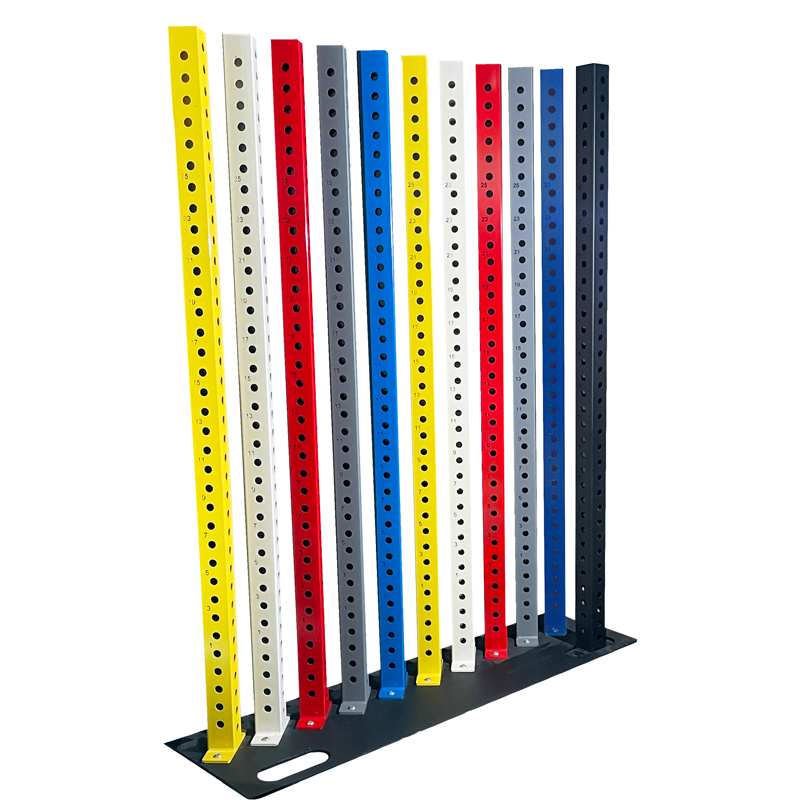
The placement of bolt holes and mounting points is critical for the modularity and adjustment of the equipment. If the drilling process is imprecise, the user will experience difficulty adjusting seat heights or barbell positions, which is a common complaint in high-use facilities. Manufacturers should use CNC drilling to ensure that every adjustment point is perfectly aligned with the manufacturer's original CAD design. As the parts take shape, they must be prepared for the critical joining process: professional-grade welding.
Precise shaping is only as good as the strength of the joints that hold it together, which leads us directly to the metallurgical fusion of the parts.
Related reading:
Structural Integrity through Advanced Welding Processes
The welding phase is often where the distinction between a premium manufacturer and a low-cost provider is most visible. The integrity of a weld determines whether a machine can withstand the dynamic loads of a person jumping on a platform or dropping a heavy barbell. The most common failure in this stage is a 'cold weld' or incomplete penetration, which looks sufficient on the surface but lacks deep-rooted structural strength.
TIG vs. MIG Welding Applications
Most commercial equipment undergoes a combination of MIG (Metal Inert Gas) and TIG (Tungsten Inert Gas) welding. MIG is typically used for the heavy-duty structural frames due to its speed and high deposition rate, while TIG is often reserved for thinner tubing or high-visibility areas where a cleaner, more aesthetic finish is required. A professional manufacturer will utilize high-voltage welding systems to ensure deep penetration into the steel core.
The Risks of Improper Thermal Management
One of the most significant mistakes in the welding process is excessive heat application, which can alter the molecular structure of the surrounding steel, leading to brittleness. This is known as the Heat Affected Zone (HAZ). If a manufacturer does not carefully manage the thermal input, the area surrounding a weld may become a failure point under repeated stress. Operators can verify weld quality by looking for consistent bead width and a lack of porosity (small holes in the weld surface).
While a strong weld provides the skeleton, the surface finish and mechanical integration provide the functionality and aesthetic longevity of the unit.
Surface Treatment and Advanced Powder Coating
A robust frame is useless if it begins to rust after six months of exposure to gym humidity and perspiration. The surface treatment phase is not just about aesthetics; it is a critical layer of defense against oxidation and wear. A high-quality powder coating process involves more than a simple spray; it is a multi-stage chemical and thermal treatment designed to bond with the metal at a microscopic level.
The Multi-Stage Pre-Treatment Process
Before any color is applied, the steel must undergo a rigorous cleaning process. This typically involves degreasing and phosphate coating to remove oils and prepare the surface for adhesion. Skipping or rushing the pre-treatment stage is a leading cause of 'chipping' or 'flaking' in used gym equipment. A well-treated surface will resist scratches from weights and maintain its color over years of use.
Powder Coating Durability and Thickness Testing
The application of the powder coating is followed by high-temperature curing in an industrial oven. This process melts the powder into a hard, protective skin. To verify quality, professional buyers can look for a smooth, even finish without 'orange peel' texture. A lack of uniform thickness can lead to localized areas where moisture can penetrate and start the rusting process from within.
With the structural frame protected and finished, the manufacturer must now integrate the mechanical and electronic components that drive the machine's functionality.
Related reading:
Mechanical Integration and Component Tolerance
Moving from static frames to dynamic machines requires the integration of pulleys, cables, bearings, and weights. This is the phase where many 'mechanical' issues first emerge if the tolerances are not strictly controlled. The goal here is to ensure smooth, fluid movement with minimal friction and no perceptible 'stutter' during a repetition.
Precision of Bearing and Pulley Assemblies
The smoothness of a cable machine is entirely dependent on the quality of the bearings and the alignment of the pulleys. High-grade bearings with high lubrication capacity are essential to prevent the heat buildup and wear that lead to a 'gritty' feel. If the pulleys are not perfectly aligned with the travel path of the cable, it creates lateral tension, which will eventually fray the cable and cause mechanical failure.
Cable Strength and Tensioning Standards
Cables are a high-wear component in any fitness facility. Manufacturers must specify the diameter and the core material (often steel wire with a nylon coating) to ensure durability. A common failure mode is the snapping of cables due to poor quality or improper tensioning during assembly. Verification of this phase involves checking the smoothness of the cable pull and ensuring that the tensioning mechanism is robust and does not slip under load.
| Component | Quality Indicator | Failure Mode | Verification Method |
|---|---|---|---|
| Linear Bearings | Smooth, silent movement | Jittery or noisy travel | Perform repeated reps to check for 'stutter' |
| Steel Cables | Uniform coating, no kinks | Fraying or core exposure | Visual inspection for wire strands |
| Weight Stacks | Consistent weight distribution | Uneven stacking or tilting | Check vertical travel alignment |
| Pulleys | Low friction, precise rotation | Binding or delayed movement | Rotate pulley by hand to feel resistance |
While mechanical parts handle the movement, the integration of smart technology brings the modern manufacturing process into the digital age.
Related reading:
Electronic Integration and Firmware Reliability
Modern fitness equipment often includes consoles, heart rate monitors, and resistance-control software. This adds a layer of complexity to the manufacturing process, moving it from purely mechanical engineering to a fusion of hardware and software. The primary challenge in this stage is ensuring that the electronic components can survive the harsh, electrically noisy, and often humid environment of a gym.
The Robustness of Control Units
The central processing unit (CPU) or control board in a high-end treadmill or smart bike must be shielded from electromagnetic interference (EMI) and moisture. Manufacturers use specialized enclosures to protect these boards. A common failure in lower-tier equipment is the sudden failure of a screen or a control panel due to a lack of environmental sealing. Verification involves checking the responsiveness of the interface and ensuring that buttons and touchscreens react consistently without lag.
Software Calibration and Firmware Stability
For machines that utilize electronic resistance (such as electromagnetic tensioned bikes), the software must be calibrated to ensure that the resistance level selected by the user is the one actually delivered. This requires rigorous testing of the algorithms that control the motor or magnet. If the firmware is unstable, users may experience unexpected spikes in resistance, which can be a safety hazard. A professional manufacturer will test the software against a wide range of user inputs and load scenarios before the unit leaves the factory.
Once the electronics are successfully integrated and tested, the machine undergoes its final, most rigorous phase: the testing and validation cycle.
Final Quality Assurance and Stress Testing
The final stage of the manufacturing process is not merely a visual check, but a series of rigorous stress tests designed to simulate years of commercial use in a matter of days. This is the ultimate defense against the high cost of post-installation failures. A manufacturer that skips formal stress testing is essentially offloading their quality control onto the end-user's maintenance budget.
Load Testing and Fatigue Cycles
Strength equipment must undergo load testing where weights exceeding the maximum rated capacity are applied to the machine. For example, a squat rack might be subjected to sudden, heavy impacts to simulate a weight drop. Additionally, many components undergo 'fatigue testing,' where the machine is run through thousands of cycles (such as treadmill belt rotations or cable pulls) to ensure that the components do not fail prematurely due to repetitive motion.
The Final Inspection Checklist
Before any unit is cleared for shipping, it must pass a multi-point inspection. This includes a visual check for finish defects, a mechanical check for smooth movement, and a functional check for all electronic features. A professional manufacturer uses a formal checklist to ensure that every single unit meets the same standard. As a buyer, you should ask for documentation of these final testing protocols to ensure you are not receiving a unit that has bypassed these critical checks.
Understanding this rigorous end-to-end process provides the technical foundation required for informed purchasing and long-term equipment management.