How to Use Plates for Rehabilitation and Recovery

Understanding the Role of Weighted Plates in Clinical Recovery
In many clinical and physical therapy settings, practitioners face a significant challenge: transitioning a patient from non-weight-bearing movements to functional, load-bearing strength. The primary pain point is often the lack of granular resistance control. Standardized machines or dumbbells can sometimes offer increments that are too large for the delicate stages of neurological or musculoskeletal healing. This is where understanding how to use plates for rehabilitation and recovery becomes essential, as they provide a versatile, scalable method for incremental loading.
The core mechanism of plate-based rehabilitation involves utilizing the absolute mass of the plate to create controlled tension. Unlike elastic resistance, which varies based on the stretch of the band, plates offer a constant, predictable gravitational load. This predictability is vital for patients recovering from joint instability or ligamentous injuries, where sudden changes in resistance could trigger a compensatory movement or re-injury. By mastering the application of these loads, clinicians can ensure that the body is challenged only within safe, measurable parameters.
To effectively utilize this equipment, one must first understand the fundamental selection criteria. Once the weight selection process is mastered, the operator can move toward the more complex task of managing the physical interface between the patient and the load.
The Physics of Constant Load
Unlike variable resistance tools, a weight plate provides a steady center of gravity. In a rehabilitation context, this constant torque allows the therapist to monitor for subtle tremors or deviations in form that would indicate fatigue or neurological deficit. Achieving this level of precision requires a shift in perspective from traditional heavy lifting to micro-incremental adjustments.
Precision in Weight Selection and Incremental Loading
As established in the previous discussion on the physics of constant load, the utility of plates lies in their predictable mass. However, a common failure mode in rehabilitation occurs when the resistance increments are too aggressive. If a patient is transitioning from a 5kg resistance to a 7.5kg resistance, that 50% jump might exceed the physiological capacity of the healing tissue, leading to inflammation or setbacks. This failure is rarely a fault of the equipment itself, but rather a failure in the loading protocol design.
To mitigate this, operators must utilize a diverse range of plate sizes and fractional increments. In a professional setting, relying solely on standard 20kg or 10kg plates is insufficient for recovery-grade work. The selection of equipment must prioritize small-unit weights to facilitate a seamless progressive loading curve.
| Plate Type/Size | Primary Use Case | Precision Level | Ideal Stage of Recovery |
|---|---|---|---|
| Fractional/Micro Plates (0.25kg - 1kg) | Neurological recalibration & micro-loading | Very High | Early Stage: Acute/Sub-acute |
| Small Diameter Plates (2kg - 5kg) | Standard functional resistance | High | Middle Stage: Strength Building |
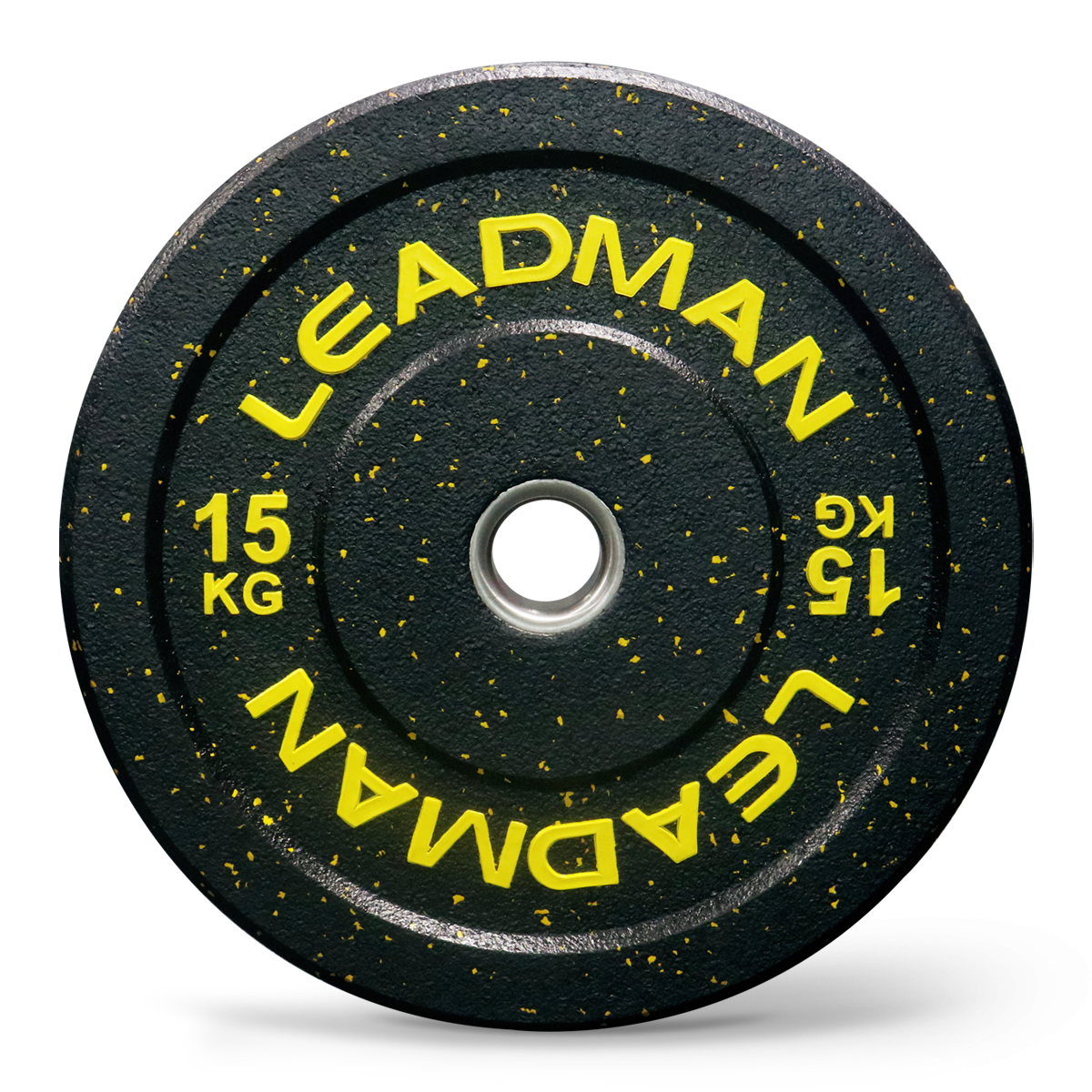
| Standard Bumper Plates (10kg+) | End-stage functional stability | Moderate | Late Stage: Return to Sport |
When selecting plates, operators should verify the weight accuracy by comparing the unit against a calibrated scale. Even a small deviation in mass can disrupt the meticulous progressive overload intended by the therapist. With the correct weights selected, the next priority is ensuring the physical safety of the contact point between the user and the equipment.
Mitigating Risk Through Surface Texture and Grip Inspection
Effective weight selection is only useful if the patient can safely manipulate the load. A common operational error in many facilities is neglecting the surface integrity of the plates used for rehabilitation. In a recovery environment, patients may have reduced grip strength, sweaty palms, or even limited dexterity. If a plate has a degraded or excessively smooth surface, the risk of the load slipping during a movement is significantly elevated.
The cause of these slip-related accidents is often either the material degradation of the plate surface or the lack of regular cleaning. For instance, polyurethane or rubber-coated plates are excellent for dampening noise, but if the coating begins to flake or becomes coated in skin oils, the coefficient of friction drops. This is particularly dangerous during unilateral movements where balance is already compromised.
Grip and Surface Verification Checklist
- Visual Inspection: Check for any chipping, cracking, or flaking of the outer coating.
- Tactile Assessment: Run a gloved hand over the surface to ensure a consistent, non-slip texture.
- Debris Check: Ensure no residual dust, oil, or cleaning chemical buildup remains on the plate edges.
- Edge Integrity: Verify that the perimeter of the plate is smooth and lacks sharp edges that could cause skin abrasions during high-repetition therapy.
Regularly verifying these surface parameters ensures that the resistance provided is stable and safe. Once the physical contact with the plate is secured, the focus shifts to the technical implementation of the movement itself.
Related reading:
Implementing Progressive Loading Protocols
Following the safety protocols for grip and surface inspection, the practitioner must now focus on the actual execution of the loading protocol. The primary goal is to avoid the 'plateau-and-crash' cycle, where a patient makes rapid progress, reaches a limit, and then suffers a regression due to over-ambition. This is usually caused by an improper transition between the different weight classes discussed previously.
A successful protocol utilizes the plates not just as weights, but as tools for increasing mechanical tension. This is achieved through three specific variables: volume, frequency, and intensity. In a rehabilitation context, the intensity (the weight of the plate) is often adjusted more slowly than the volume (number of repetitions).
The Three-Tiered Loading Strategy
A structured approach allows the body to adapt to the load without overwhelming the central nervous system or the local tissue. The following table outlines how to transition through these tiers effectively.
| Tier | Focus Parameter | Plate Application Method | Verification of Success |
|---|---|---|---|
| Tier 1: Stability | Motor Control | Low weight, high repetition, slow eccentric phase | Ability to maintain form without tremors |
| Tier 2: Hypertrophy | Structural Integrity | Moderate weight, moderate repetition | Visible muscle recruitment and steady control |
| Tier 3: Power/Function | Dynamic Loading | Higher weight, varied movement speeds | Successful completion of functional task (e.g. lifting) |
By monitoring these tiers, a clinician can precisely determine when a patient is ready for the next level of resistance. As the load increases, however, the physical demand on the surrounding support structures—such as the plates' holders or racks—also increases, necessitating a strict maintenance schedule.
Maintenance and Inspection of Plate Storage and Support Systems
The successful application of weight plates is contingent upon the integrity of the secondary equipment used to hold and move them. It is a mistake to focus solely on the plates themselves while ignoring the racks, bars, or pegs that support them. If a storage peg is bent or a rack is unstable, the very act of retrieving a plate for a patient can become a safety hazard.
The cause of support failure is typically high-frequency use without a dedicated maintenance window. For example, if heavy bumper plates are consistently dropped onto a non-reinforced rack, the structural integrity of the steel will eventually fatigue. This leads to micro-fractures or misalignment, which can cause a catastrophic failure during a rehabilitation session.
Structural Integrity Maintenance Schedule
- Daily: Visual check for bent pegs or uneven rack alignment.
- Weekly: Inspect all load-bearing surfaces for signs of metal fatigue or rust.
- Monthly: Test the stability of the storage unit by applying a simulated load and checking for wobbling or shifting.
- Quarterly: Complete audit of all weight-holding components for any structural deviations or wear.
Maintaining these support systems is just as critical as the rehabilitation itself. Once the equipment is verified as structurally sound, the final step is to establish a protocol for the safe removal and placement of the load in a clinical environment.
Safeguarding the Patient: Loading and Unloading Protocols
Even with the best plates and the most stable racks, the actual moment of loading and unloading the weight is a high-risk period. In rehabilitation, the patient is often at their most vulnerable during these transitions. The primary problem is the 'sudden weight shift,' where the patient's center of gravity is unexpectedly altered by the introduction or removal of a plate.
This often happens because the therapist or the patient moves too quickly, or because the plates are not aligned correctly with the bar or the machine. To prevent this, one must implement a strict, standardized sequence for every single repetition. The objective is to ensure that the introduction of resistance is a gradual, controlled event rather than a jarring shock to the system.
Standard Operating Procedure for Loading
- Stabilization: Ensure the patient is in a balanced, neutral position before the plate is introduced.
- Alignment: Place the plate on the center of the bar or resistance handle to prevent uneven torque.
- Incremental Introduction: If possible, use two hands or a two-step process to slide the weight onto the position.
- Verification: Once loaded, ask the patient to perform one low-intensity 'test rep' to ensure the new weight is manageable before proceeding with the set.
By following these precise steps, the risk of unexpected movement is minimized. This systematic approach, from selection to unloading, forms the foundation of a professional-grade recovery program.
Related reading:
The Evolution of Load Management in Modern Recovery
As we have explored, the use of plates in rehabilitation is not merely about adding weight; it is a highly technical process involving precision, safety, and systematic progression. The ability to move from micro-increments of 0.25kg to standard functional loads determines the success of the long-term recovery outcome.
Looking forward, the trend in physical therapy is moving toward even higher levels of integration between weighted plates and biometric feedback. While the fundamental physics of a plate remains unchanged, the methods of tracking how that plate influences a patient's movement are becoming more sophisticated. Operators and clinicians who master these manual, high-precision techniques today will be best positioned to integrate the advanced technological advancements of tomorrow.
Related reading:
Final Verification: The Operator's Pre-Session Checklist
Before any rehabilitation session begins, the operator should run through a final high-level check to ensure that every component of the plate-based system is ready for clinical use. This brings together the elements of weight, surface, and structure into one final safety net.
| Category | Check Item | Pass/Fail Criteria |
|---|---|---|
| Weight Accuracy | Calibration check | Weights match stated mass within 1% tolerance |
| Surface Safety | Texture & Cleanliness | No oil, dust, or coating degradation present |
| Structural Support | Rack/Peg Integrity | No visible bends, cracks, or instability in storage |
| Loading Protocol | Personnel Readiness | Therapist is prepared to assist with weight transitions |
This comprehensive review ensures that the technical, physical, and human elements of the rehabilitation process are all aligned for a safe and productive session.