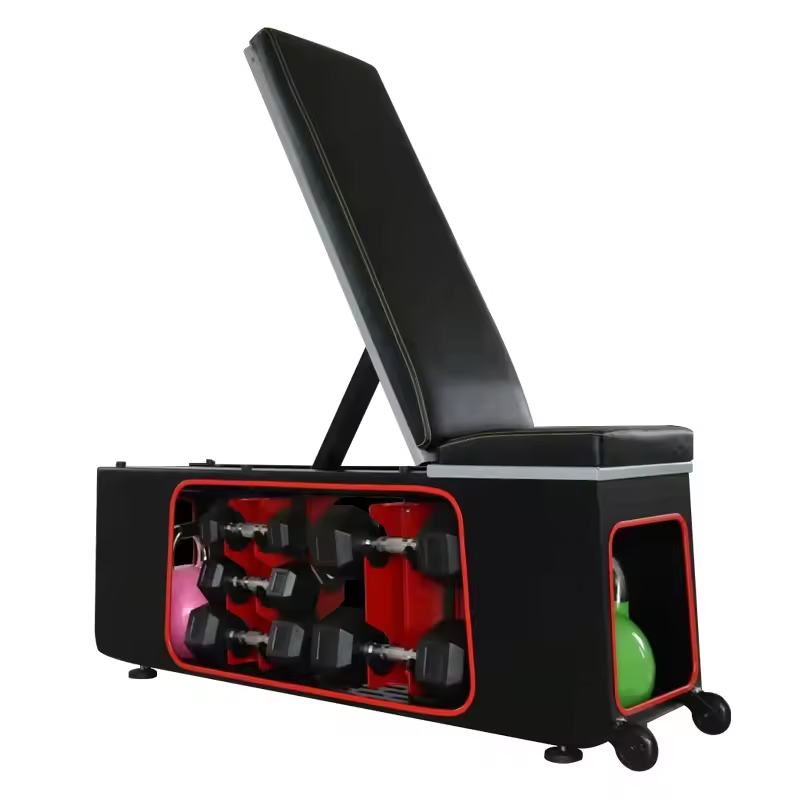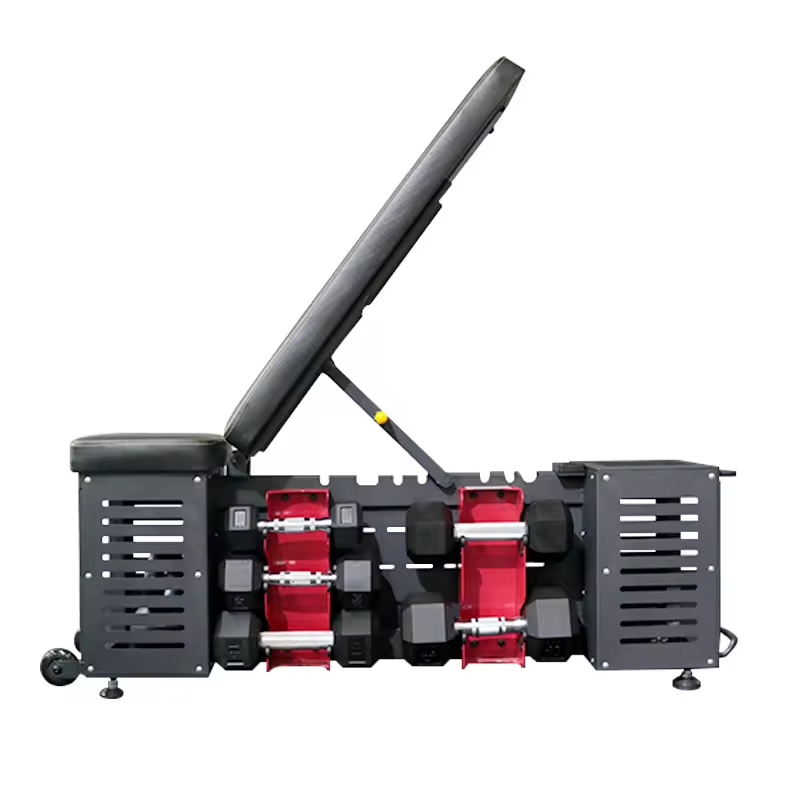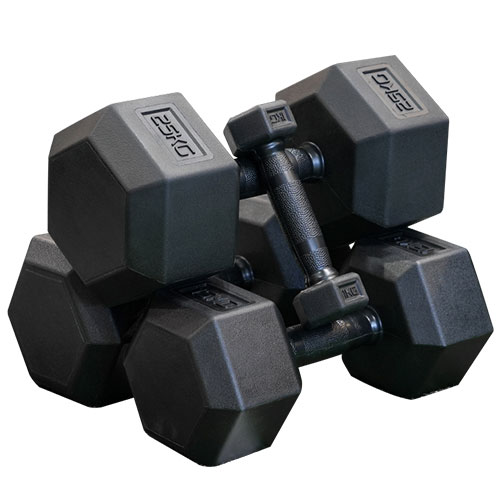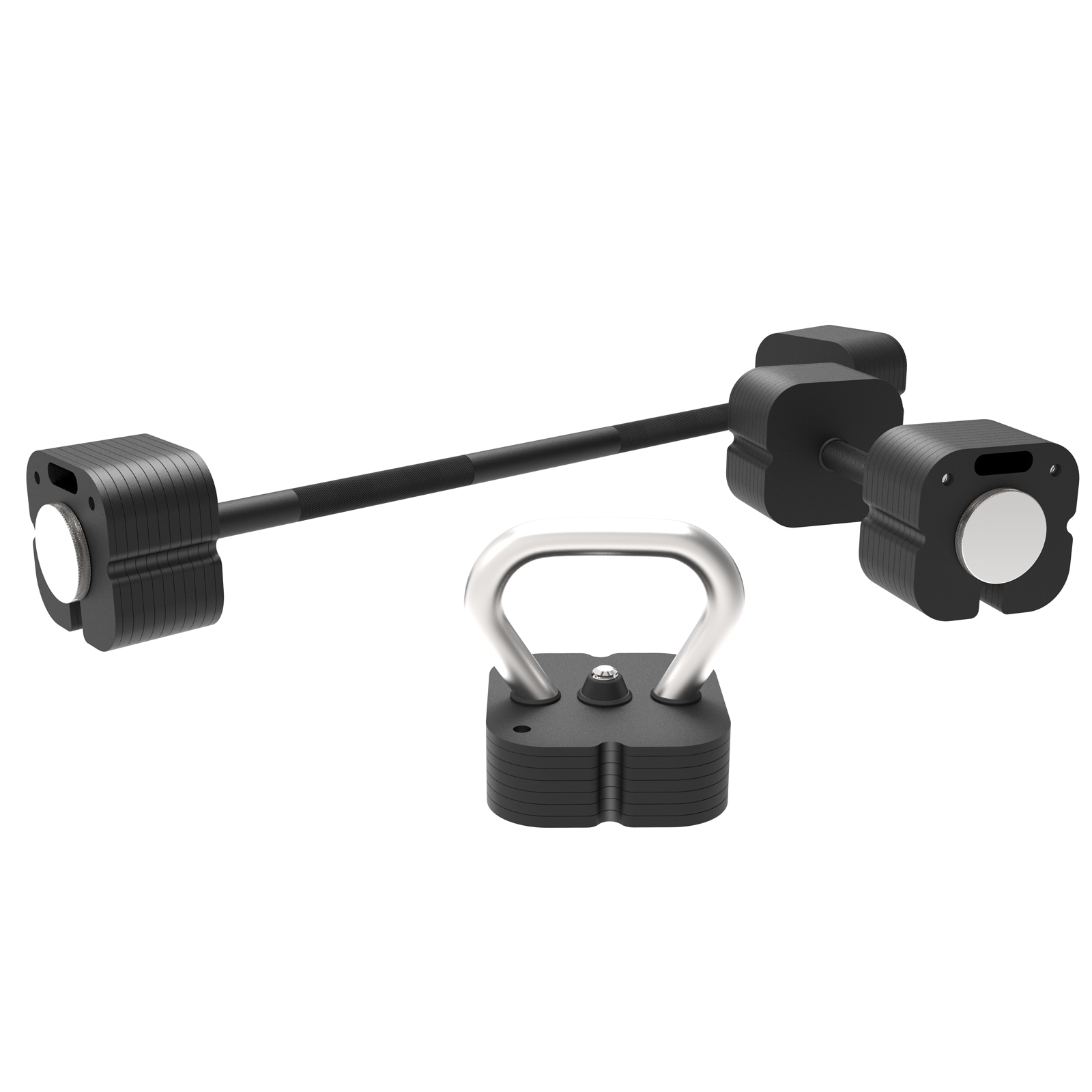
The wholesale adjustable dumbbell market has exploded beyond the classic selectorized dial design into multiple competing mechanical architectures: plate-pin systems, magnetic-locking trays, and rotating cage mechanisms. Each configuration carries distinct implications for durability, adjustment speed, and warranty claims. For bulk buyers—gym franchises, hotel chains, and equipment resellers—the choice directly impacts member satisfaction scores and maintenance budgets. Unlike fixed dumbbells where the failure mode is dropped weight damage, adjustable designs introduce component-level failure points including selector pins, spring-loaded latches, and plastic cradle trays.
The primary cost driver for any wholesale adjustable dumbbell is the steel quality used in the weight plates and handle core. Budget wholesale units often use sintered metal (powdered metal compressed into shape) for the small incremental plates, which achieves lower raw material cost but delivers reduced density—a sintered 2.5kg plate measures approximately 15% thicker than a cast iron equivalent. This thickness accumulation becomes problematic at higher weight ranges, where a pair of 25kg adjustable dumbbells from a sintered supplier occupies 40% more cradle space than cast iron equivalents. Wholesale adjustable dumbbell buyers should request material certification: ASTM A48 Class 20 minimum for cast components. Premium wholesale tiers use ductile iron (ASTM A536) for critical components like selector plates and locking cams, achieving 65-40-18 grade impact resistance—approximately triple the fracture toughness of standard gray iron.
The locking mechanism architecture distinguishes entry-level from commercial-grade wholesale adjustable dumbbell offerings. Thumb-screw designs (the oldest, simplest configuration) require individual plate selection and manual tightening, averaging 45-60 seconds per weight change. Push-pin selector systems (most common in mid-tier) cut change time to 10-15 seconds but introduce plastic selector wands that crack after approximately 8,000-10,000 cycles. Magnetic-locking systems—where neodymium magnets secure the plate stack until a mechanical release is triggered—achieve 5-second changes and eliminate plastic failure points. However, wholesale adjustable dumbbell units with magnetic locks require careful engineering of the magnetic shield; unshielded magnets attract ferrous debris (chalk dust, iron particles from barbell sleeves) and lose holding force within 18-24 months of commercial use.
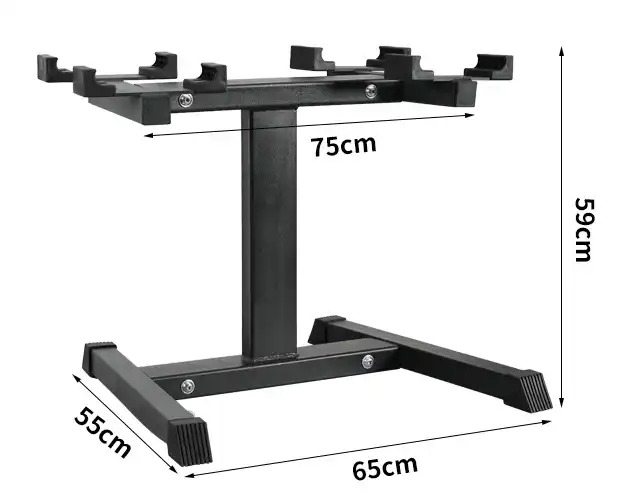
For procurement planning, evaluate cradle durability separately from dumbbell construction. Many wholesale adjustable dumbbell failures trace to cracked cradles—specifically the tabs that retain plates during storage. Request polycarbonate/ABS blend specifications; cradles using 100% ABS fail at temperatures below 10°C, while PC-ABS blends maintain impact resistance to -20°C. Verify handle knurling depth—commercial adjustable dumbbells require at least 0.4mm knurl depth for secure grip during high-rep work; shallow cosmetic knurling (0.15mm) becomes slick after 30 minutes of use. The emerging wholesale tier includes adjustable dumbbells with aluminum handle cores (reducing total weight by 0.8-1.2kg compared to steel handles), though aluminum handles accelerate wear on selector pins unless both components receive hard-anodized coatings. For franchises ordering 50+ units, request a destructive test of one sample: 10,000 weight changes on an automated cycle stand should produce no visible wear on selector edges or cradle tabs.