
What Guests Look for in a Hotel Gym: An Operator's Technical Guide
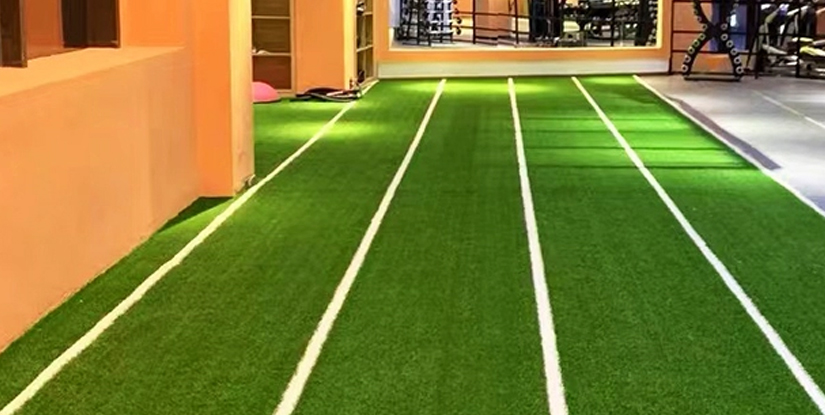
For many travelers, the fitness center is no longer a secondary amenity; it is a primary decision factor. A substandard gym experience can directly impact property reviews and brand loyalty. Many facility managers encounter a recurring problem: high-tier guests expressing dissatisfaction with 'outdated' or 'broken' equipment. This failure often stems from a lack of proactive maintenance and a misunder lack of understanding regarding modern user requirements. This guide provides the technical framework necessary to transition from a basic exercise room to a high-performance fitness facility that meets professional expectations.
High-Performance Equipment Selection and Versatility
One of the most significant pain points for guests is the presence of outdated or single-function machinery. When a guest arrives to find a machine with a broken console or a worn-out resistance cable, the perceived value of the entire hotel diminishes. The cause is often a procurement strategy focused solely on initial cost rather than total cost of ownership and durability.
To resolve this, operators must prioritize commercial-grade units over light-duty or residential-grade alternatives. Commercial equipment is engineered to handle higher duty cycles and more frequent usage. A high-performance gym should offer a balanced mix of cardiovascular training, strength training, and functional movement tools.
Cardiovascular Diversity and Reliability
Modern guests look for a variety of cardio options. Providing only a treadmill is a mistake. A professional setup includes at least one of each of the following categories to ensure diverse training capabilities:
- High-Impact: Professional-grade treadmills with robust shock absorption.
- Low-Impact: Elliptical trainers and stationary bicycles (including upright and recumbent versions).
- Variable Intensity: Rowing machines or air bikes for high-intensity interval training (HIIT).
Resistance and Strength Training Standards
Strength training is where technical failures become most apparent. A common failure mode is the fraying of cables on selectorized machines or the lack of diverse weight increments in free weights. Operators should verify that all weight stacks are complete and that cables show no signs of kinking or discoloration.
| Equipment Category | Essential Requirement | Common Failure Mode | Verification Step |
|---|---|---|---|
| Cardio Machines | Functional digital consoles | Non-responsive touchscreens | Test every button and connectivity feature weekly. |
| Selectorized Strength | Smooth weight stack movement | Sticking or jerky resistance | Check cable tension and lubrication levels. |
| Free Weights | Full range of increments | Missing or damaged dumbbells | Conduct monthly inventory of weight sets. |
| Functional Tools | Sturdy kettlebells/medicine balls | Cracked or leaking surfaces | Physical inspection for structural integrity. |
Hygiene Infrastructure and Sanitation Protocols
The most immediate way a guest evaluates a gym's quality is through its cleanliness. A common problem is the presence of visible sweat, dust on equipment, or an unpleasant odor. This is usually caused by an inadequate cleaning frequency or the lack of easily accessible sanitation tools. If a guest has to hunt for a wipe, the system has failed.
To fix this, implement a 'Point-of-Use' sanitation strategy. This means placing disinfectant wipes, hand sanitizers, and clean towels in highly visible, ergonomic locations throughout the facility. Maintenance should not just be a nightly deep clean, but a continuous operational process.
The Mechanism of Micro-Sanitation
Effective sanitation in a gym requires more than just a damp cloth. The chemicals used must be effective against common bacteria and fungi but must also be gentle enough not to degrade the upholstery or digital screens of the equipment. Using harsh bleach on high-end electronic consoles will lead to premature hardware failure and expensive replacement costs.
Optimizing the Environmental Atmosphere and Lighting
A poorly lit, dark, or stuffy gym is a major deterrent. Guests look for an environment that feels energized and professional. The problem of 'gym fatigue'—where the space feels draining rather than motivating—is often caused by incorrect lighting temperatures or poor air circulation. Low-quality LED lighting with a yellowish tint can make a space feel dated and dingy.
Operators should aim for high-lumen, neutral-white lighting (typically between 4000K and 5000K) to mimic daylight and promote alertness. Furthermore, the HVAC system must be calibrated to handle the heat load generated by multiple users. A gym that feels 5 degrees warmer than the rest of the hotel will quickly receive negative feedback.
Ventilation and Air Quality Control
Proper air turnover is critical. High-performance gyms utilize advanced ventilation systems that can handle high CO2 levels and odors. If the gym is located in a basement or an enclosed area without direct window access, a dedicated fresh-air intake system is mandatory to prevent the buildup of stagnant air.
Technical Layout and Space Management Efficiency
A common mistake in hotel gym design is 'crowding,' where machines are placed too close to one another. This limits the user's range of motion and creates a sense of discomfort. Guests look for a sense of personal space and clear pathways. If a guest feels they are hitting a machine while performing a movement, the layout is flawed.
To implement a professional layout, follow the 'Zone Principle.' Divide the room into distinct zones: a cardio zone, a strength zone, a stretching/functional zone, and a circulation path. This ensures that users of different training styles do not interfere with one another.
Checklist for Space Optimization:
- [ ] Minimum 3-foot clearance around all large machines.
- [ ] Dedicated area for stretching with non-slip flooring.
- [ ] Unobstructed paths for emergency exit and general movement.
- [ ] Centralized mirror placement to allow for form correction.
Related reading:
Preventative Maintenance and Lifecycle Management
The biggest operational cost in a hotel gym is not the initial purchase, but the unplanned replacement of broken equipment. The cause of high turnover is typically reactive maintenance—fixing things only after they break. This leads to 'out of order' signs that frustrate guests and damage the brand's reputation.
The solution is a rigorous preventative maintenance schedule. Instead of waiting for a treadmill to stop, the operator should schedule monthly inspections of the drive belts, lubrication of the deck, and sensor cleaning. This moves the facility from a state of 'crisis management' to 'asset management.'
The Maintenance Hierarchy
A professional facility manager should categorize maintenance into three distinct tiers:
- Tier 1: Daily Visual Inspection: Checking for obvious damage, cleanliness, and presence of all accessories.
- Tier 2: Weekly Functional Testing: Testing digital consoles, checking cable tension, and verifying the functionality of all electronic interfaces.
- Tier 3: Quarterly Technical Service: Deep lubrication of bearings, belt tensioning, and professional diagnostic testing of all motors.
Common Mistakes in Gym Management and Troubleshooting
Many operators focus on the 'visible' while ignoring the 'functional.' For example, a gym might have brand-new-looking machines that have not been serviced in two years. The machines look perfect, but the internal electronic sensors are miscalibrated, leading to inaccurate workout data for the guest. This is a subtle but significant failure in quality control.
Another frequent error is the lack of digital integration. Modern guests expect to connect their smartphones or smartwatches to the gym equipment via Bluetooth. A gym that lacks this capability is perceived as technologically behind the curve.
| Identified Problem | Root Cause | Recommended Fix | Verification Method |
|---|---|---|---|
| Inaccurate Weight Readings | Sensor degradation or uncalibrated electronics | Recalibrate or replace internal sensor units | Compare machine readouts with calibrated manual weights. |
| Unpleasant Gym Odor | Inadequate HVAC turnover/Old upholstery | Increase air exchange rate/Replace fabric surfaces | Standardized air quality/odor sensor testing. |
| Broken Digital Interfaces | Dust accumulation in electronics/Age | Use non-abrasive electronic cleaners/Replace consoles | Weekly full-sequence button test. |
| Squeaky/Noisy Machines | Lack of lubrication in moving parts | Apply industrial-grade lubricant to bearings/pulleys | Silent operation test during peak usage hours. |
Related reading:
Future-Proofing the Fitness Center Experience
The landscape of hotel fitness is shifting toward high-tech, low-friction experiences. To stay ahead of guest expectations, operators must look toward integration and customization. This includes providing high-quality digital content (streaming services), ensuring connectivity with wearables, and potentially offering space for specialized training such as yoga or HIIT.
As the industry evolves, the distinction between a 'gym' and a 'fitness center' becomes clear. A gym is a collection of machines; a fitness center is a managed environment designed for human performance. By focusing on the technical details of equipment, hygiene, and maintenance, operators can ensure their facility remains a competitive advantage rather than a liability.