
How to Reduce Grid Dependency in Hotel Fitness Centers
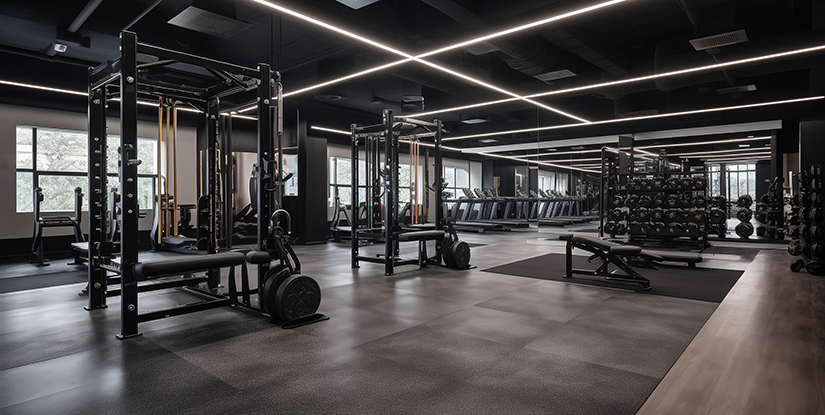
Analyzing the Energy Profile of Modern Hotel Fitness Facilities
The modern hotel fitness center is no longer just a collection of weights and treadmills; it has evolved into a high-density electrical load center. As guest expectations for high-tech, immersive workout experiences rise, so does the facility's demand on the local electrical grid. High-performance treadmills, motorized elliptical trainers, large-scale digital consoles, and sophisticated climate control systems create a concentrated spike in energy consumption. For hotel operators, this results in two primary pain points: escalating utility overheads and increased vulnerability to grid instability or peak-demand surcharges.
To effectively reduce grid dependency, one must first understand the 'why' behind the load. Most energy in these spaces is consumed by three distinct categories: mechanical kinetic equipment, environmental control (HVAC), and constant-on amenities (lighting and digital signage). Without a targeted strategy, these facilities become 'energy sinks' that contribute disproportionately to the building's total carbon footprint. The goal of this guide is to transition from passive consumption to active energy management.
Identifying Peak Load Triggers
A common mistake is overlooking the 'startup spike.' When multiple motorized units are activated simultaneously during peak morning hours, the instantaneous demand on the grid can trigger higher utility rate tiers. Operators should monitor whether their facility experiences sudden voltage drops or if local utility provider's peak-load warnings coincide with heavy fitness center usage.
Strategic Equipment Procurement and Kinetic Energy Harvesting
The most direct way to reduce grid dependency is by changing the nature of the equipment being purchased. Traditional commercial-grade motorized treadmills are purely parasitic loads—they only take energy from the grid. To mitigate this, operators should look toward hybrid or human-powered solutions.
One of the most advanced methods involves kinetic energy harvesting. Certain high-end manufacturers now produce equipment capable of converting the mechanical energy generated by the user into electricity. This electricity can either be used to power the unit's internal console or fed back into a local battery storage system. While the initial capital expenditure (CAPEX) for these units is higher, the long-term operational expenditure (OPEX) reduction is significant.
Comparison of Equipment Energy Profiles
| Equipment Category | Typical Energy Draw | Mitigation Potential | Best Use Case |
|---|---|---|---|
| Standard Motorized Treadmill | High (Constant) | Low (Requires grid) | High-traffic, low-budget zones |
| Hybrid/Self-Powered Treadmill | Low (Burst/Battery) | High (Harvests motion) | Sustainability-focused luxury hotels |
| Manual/Non-Motorized Elliptical | Zero (Mechanical) | Total (No electricity) | Space-saving, ultra-low energy zones |
| Smart Digital Consoles | Low (Constant) | Moderate (via USB/Battery) | Interactive guest experiences |
When selecting equipment, a professional buyer must verify the 'energy standby mode' specifications. Many modern machines remain in a high-draw 'ready' state even when not in use. Selecting units with aggressive auto-sleep functions is a critical first step in reducing the baseline load.
Optimizing HVAC and Thermal Management for Fitness Environments
In a hotel fitness center, the HVAC system often accounts for more than 50% of total energy consumption. The high metabolic heat produced by guests, combined with high humidity levels from perspiration, creates a constant struggle for the climate control system. If the thermostat is set to combat heat spikes in real-time, the grid dependency increases through constant cycling of heavy compressors.
The technical solution lies in 'pre-emptive cooling' and 'localized humidity control.' Instead of running the entire floor's HVAC at maximum capacity, operators can implement zone-specific controls. By utilizing high-efficiency air filtration and smart sensors, the system can react to actual occupancy levels rather than a fixed schedule.
Implementation Checklist: Climate Control
- Verify Sensor Placement: Ensure temperature and humidity sensors are not located near heat-generating equipment or direct sunlight, which causes false high readings.
- Check Air Exchange Rates: Ensure the ventilation system is optimized for CO2 removal rather than just cooling, which allows for lower fan speeds.
- Insulate Glass Surfaces: If the fitness center has large windows, use high-grade UV films to reduce thermal gain, lowering the load on AC units.
Smart Lighting Systems and Automated Dimming Protocols
Lighting in fitness centers is frequently overlooked as a major energy consumer, especially in larger boutique hotels with high ceilings. The primary cause of waste here is 'occupancy oversight'—lights remaining at 100% brightness in zones where no one is exercising. This is not just a waste of energy; it is an unnecessary strain on the building's electrical infrastructure.
To fix this, operators should transition from standard motion sensors to 'ambient light harvesting' and 'luminance-based control.' These systems use photosensors to measure the amount of natural light entering the room and dim the artificial lights accordingly. Furthermore, implementing a tiered lighting system—where the brightest lights are only activated in high-intensity zones—helps manage the load effectively.
The Impact of Lighting Control Layers
A sophisticated lighting architecture uses three layers: Task Lighting (highly focused on equipment), Ambient Lighting (general room brightness), and Accent Lighting (aesthetic features). By automating the dimming of the Ambient and Accent layers during low-occupancy hours, the facility significantly reduces its net draw from the grid.
Related reading:
Implementing Load Balancing and Battery Storage Solutions
For large-scale hotel operations, the most robust way to reduce grid dependency is through a localized Energy Storage System (ESS). An ESS allows the facility to 'load shift'—drawing electricity from the grid during off-peak hours (when rates are lower and the grid is less stressed) and utilizing that stored energy during peak fitness hours.
This approach solves the problem of 'Peak Demand Charges,' which are common in commercial utility billing. By using a battery buffer, the fitness center can draw its high-intensity startup power from the battery rather than the grid, flattening the demand curve. This is particularly effective when paired with solar PV arrays on the hotel roof.
| Strategy | Mechanism | Verification Metric |
|---|---|---|
| Battery Buffer (ESS) | Stores off-peak energy for use during peak exercise hours. | Reduced Peak Demand (kW) on utility bill. |
| Solar PV Integration | Directly feeds renewable energy into the facility. | Percentage of total kWh supplied by solar. |
| Smart Load Shedding | Automatically shuts down non-essential electronics during high load. | Lower frequency of circuit breaker trips/surges. |
Maintenance Protocols for Maximum Energy Efficiency
Even the most advanced energy-saving equipment will fail to perform if maintenance is neglected. In a fitness environment, dust, sweat, and friction are constant enemies of efficiency. A clogged filter in an AC unit or a worn bearing in a treadmill motor causes the device to work harder, drawing significantly more amperage to achieve the same result.
Preventative Maintenance Schedule
Operators should implement a quarterly inspection routine that focuses on 'resistance factors.' Resistance in mechanical systems directly translates to electrical drag. For example, a poorly lubricated treadmill belt increases the friction load on the motor, which in turn increases the power consumption.
- Monthly: Vacuum dust from motor vents and air intake grilles on all cardio equipment.
- Quarterly: Inspect and replace HVAC filters; check belt tension on all motorized units.
- Bi-Annually: Test smart sensor responsiveness (motion, light, and temperature) to ensure they are not lagging or malfunctioning.
Related reading:
Verifying Performance and Continuous Improvement
How does an operator know if their efforts to reduce grid dependency are actually working? Relying on the monthly utility bill is insufficient because it reflects the entire hotel's consumption. To truly verify performance, you must implement sub-metering.
Sub-metering involves installing dedicated digital meters for the fitness center branch circuits. This provides granular, real-time data on exactly how much energy is being used by the equipment versus the HVAC. With this data, you can perform 'load audits' to see if specific pieces of equipment are drawing more power than their manufacturer's spec sheet suggests, indicating a need for repair.
The Feedback Loop for Facility Managers
A successful reduction in grid dependency requires a continuous loop of Measure → Analyze → Optimize. If the sub-meter shows a spike every morning at 7:00 AM, the manager can investigate if it's a scheduled HVAC ramp-up or a simultaneous equipment start-up. Once the cause is identified, a tactical fix (such as staggering the equipment timers) can be applied and verified through the next cycle of measurement.
Related reading:
Future Trends: The AI-Driven Autonomous Gym
As we look toward the future, the next frontier in reducing grid dependency is the integration of Artificial Intelligence (AI) in facility management. We are moving toward 'autonomous fitness environments' where the building itself learns the patterns of its guests. An AI-driven system will not just react to a person walking into a room; it will predict the load based on historical data, pre-cooling the room 15 minutes before a scheduled high-intensity class and tapering off energy use the moment the last guest leaves.