
Fitness as Furniture—Design-Led Hotel Gym Equipment
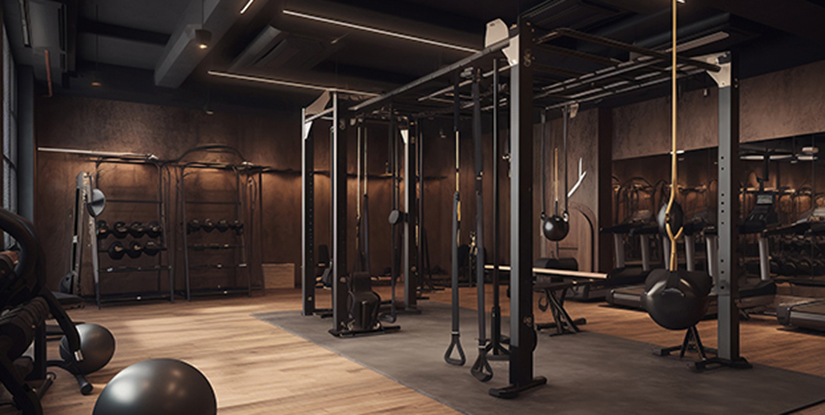
For luxury hospitality operators, the traditional fitness center often presents a jarring aesthetic disconnect. While the lobby and guest suites feature curated textures, soft lighting, and bespoke furniture, the gym is frequently relegated to a room filled with industrial-grade, high-contrast black steel and exposed mechanics. This visual friction—the "black hole" effect—devalues the premium brand experience. The solution lies in treating fitness as furniture: selecting equipment that serves a dual purpose of high-performance utility and sophisticated architectural integration.
Solving the Aesthetic Disconnect in Luxury Hospitality Fitness
The primary failure mode in high-end hotel gym design is the lack of visual continuity. When a guest moves from a minimalist, organic-modern suite into a gym filled with bulky, neon-accented, or industrial-plastic machinery, the sense of luxury is broken. This occurs because procurement teams often prioritize pure durability and low cost over material harmony and spatial flow.
To resolve this, operators must shift from a 'buy equipment' mindset to a 'curate a collection' mindset. This requires selecting units that utilize high-quality finishes—such as wood grain, brushed metals, or matte composites—that complement the hotel's interior design language. The goal is to create an environment where the equipment feels like an intentional part of the room's decor rather than an after-thought added to a utilitarian space.
The Cost of Visual Friction
Failure to integrate fitness equipment into the design language results in several operational disadvantages:
- Perceived Value Reduction: A visually clashing gym lowers the perceived luxury of the entire facility.
- Spatial Crowding: Traditional commercial equipment often features bulky silhouettes that disrupt the sense of space.
- Maintenance Complexity: Materials that do not match the room's environmental control (e.g., high-gloss plastics in a matte-finished room) can look worn and outdated prematurely.
Material Selection and Surface Finish Standards
When transitioning to design-led equipment, the specification of surface finishes becomes a critical technical variable. A common mistake is selecting 'aesthetic' equipment that lacks the durability of true commercial-grade units. In a hotel setting, equipment must withstand high-frequency use while maintaining its 'furniture' appearance.
Operators should prioritize materials that age gracefully. For example, while painted steel is standard, powder-coated aluminum with specialized matte finishes or stainless steel with brushed textures offers a more refined look that resists fingerprints and visual wear. When selecting equipment, verify the coating thickness and the resistance to UV degradation if the gym features large glass facades.
| Material Type | Aesthetic Value | Durability Profile | Maintenance Requirement |
|---|---|---|---|
| Brushed Stainless Steel | High (Architectural) | Excellent (Corrosion Resistant) | Low (Regular Microfiber Wipe) |
| Powder-Coated Matte Aluminum | Medium-High (Modern) | Good (Scratch Resistant) | Medium (Avoid Abrasives) |
| Synthetic Wood Grain | High (Organic/Warm) | Moderate (Moisture Sensitive) | High (Non-Chemical Clean) |
| Standard High-Gloss Plastic | Low (Industrial) | High (Impact Resistant) | Low (Standard Sanitizer) |
Ergonomic Integration and Spatial Geometry
Design-led equipment often employs more streamlined, organic silhouettes. While these are visually superior, they can present challenges in terms of footprint and user ergonomics. The problem arises when an operator chooses 'pretty' equipment that does not meet the technical load requirements or the spatial accessibility standards of a commercial facility.
To prevent this, the design phase must include a detailed floor-plan verification that accounts for both the machine's footprint and the 'user safety envelope.' The safety envelope is the space required for a person to safely enter, exit, and operate the machine without colliding with architectural elements or other guests.
Verification Checklist for Spatial Design
Before finalizing a layout, the facility manager should verify the following parameters:
- The 1-Meter Rule: Ensure at least 1 meter of clearance around all moving parts of the equipment.
- Sightline Integrity: Ensure that large machines do not block sightlines to key architectural features or wellness-enhancing views.
- Cable Management: For design-led aesthetics, visible cables are a failure. Verify that all motorized or resistance-based machines have integrated or concealed cable pathways.
Optimizing Equipment Placement for Aesthetic Flow
Traditional gym layouts are often grid-based, focusing on maximum unit density. In a design-led hotel environment, the focus shifts to 'zoning' and 'flow.' This means treating the gym more like a lounge or a wellness studio than a high-density training center.
A successful implementation uses equipment to define zones. For instance, a collection of low-profile strength machines might define a perimeter, while a central area is left open for floor work or stretching. This prevents the 'cluttered warehouse' look and creates a sense of intentionality. If the equipment is treated as furniture, it should be positioned to guide the guest through the space rather than obstructing it.
Related reading:
Addressing the Durability vs. Aesthetic Trade-off
The most significant technical challenge in the 'fitness as furniture' concept is the potential for a decline in mechanical longevity. Aesthetic finishes can sometimes mask inferior structural components. A common mistake is purchasing equipment that looks like high-end furniture but uses residential-grade bearings or motors.
To mitigate this, procurement must decouple the 'shell' (the aesthetic exterior) from the 'engine' (the mechanical interior). The engine must meet commercial ISO or equivalent standards for continuous duty cycles, while the shell is optimized for the hotel's design language. An operator should always ask the supplier for the 'duty cycle rating' of the internal motor and the 'spec sheet' for the structural frame's load capacity.
Comparing Functional Tiers of Equipment
| Feature | Residential-Grade (Avoid) | Commercial-Grade (Standard) | Design-Led Commercial (Target) |
|---|---|---|---|
| Frame Construction | Lightweight Tubing | Heavy-Duty Steel | High-Tensile Steel with Custom Finishes |
| Motor Lifecycle | Low-Duty / Intermittent | High-Duty / Continuous | Premium Duty / Silent Operation |
| Upholstery Material | Standard Vinyl | High-Density Commercial Vinyl | Medical-Grade / Breathable Tech Fabric |
| Visual Impact | Utilitarian/Functional | Industrial/Robust | Architectural/Sophisticated |
Maintenance Protocols for High-End Finishes
Once high-end equipment is installed, the maintenance protocol must change. Using harsh, industrial-strength disinfectants on a piece of equipment with a matte powder coat or a synthetic wood grain can lead to immediate visual degradation. This is the 'maintenance trap': high-end aesthetics require high-end care.
The cause of premature wear is typically the use of standard commercial cleaning agents that contain high concentrations of alcohol or ammonia. These chemicals can strip the topcoat of a refined finish, leading to discoloration or a loss of sheen. The fix is to develop a specific 'Aesthetic-Compatible Cleaning SOP' for the housekeeping and maintenance staff.
Standardized Maintenance Checklist for Design-Led Gyms
Operators should implement a daily/weekly/monthly inspection regime tailored to these high-end finishes:
- Daily (Surface Integrity): Use only pH-neutral, non-abrasive wipes. Inspect for any visible 'etching' or dullness on matte surfaces.
- Weekly (Hardware Check): Inspect all exposed fasteners (bolts/screws). In design-led equipment, these are often more visible; ensure they are tight and free of rust.
- Monthly (Mechanical & Finish): Test all resistance levels and electronics. Check for any fraying in the specialized upholstery or fabric components.
Related reading:
The Impact of Lighting and Environmental Control on Equipment Appearance
A final, often overlooked, aspect of the 'fitness as furniture' approach is how the environment interacts with the equipment. The type of lighting used in a hotel gym can either enhance or destroy the intended aesthetic. Harsh, cool-toned overhead lighting can make high-end materials look cheap and emphasize imperfections in the machinery'
To verify success, the operator should view the gym space at different times of day—under both natural daylight and evening artificial light—to ensure the equipment maintains its intended 'furniture-like' character in all lighting scenarios.