Navigating the Exercise Equipment Manufacturers List: A Technical Procurement Guide
Understanding the Lifecycle of Fitness Equipment Production
Before engaging with any professional exercise equipment manufacturers list, a procurement specialist must understand that high-grade fitness machinery is the result of a highly disciplined, multi-stage manufacturing lifecycle. This process is not merely about assembly but involves rigorous engineering from the initial conceptual design through to final component testing. A failure to understand this lifecycle often results in the procurement of equipment that suffers from premature mechanical fatigue or aesthetic degradation.
The lifecycle typically follows a strict path: Product Specification → Material Sourcing → Component Fabrication → Assembly → Quality Assurance (QA) → Deployment. Each phase introduces specific variables that can impact the long-term durability of the unit. For instance, a slight deviation in the steel grade during the sourcing phase cannot be fully corrected during assembly, leading to structural vulnerabilities. By grasping these phases, buyers can better evaluate the technical claims made by various suppliers.
With the fundamental lifecycle established, the focus must shift toward the specific materials and engineering standards that define the structural integrity of the equipment.
Material Selection and Structural Engineering Standards
The durability of any commercial-grade fitness unit is dictated by the raw materials utilized at the very beginning of the production chain. When reviewing an exercise equipment manufacturers list, one must look beyond the product names and investigate the metallurgical standards the manufacturers employ. The choice between mild steel, high-tensile steel, or aluminum alloys is a fundamental decision that affects both the weight and the fatigue resistance of the machine.
The Role of High-Tensile Steel in Load-Bearing Frames
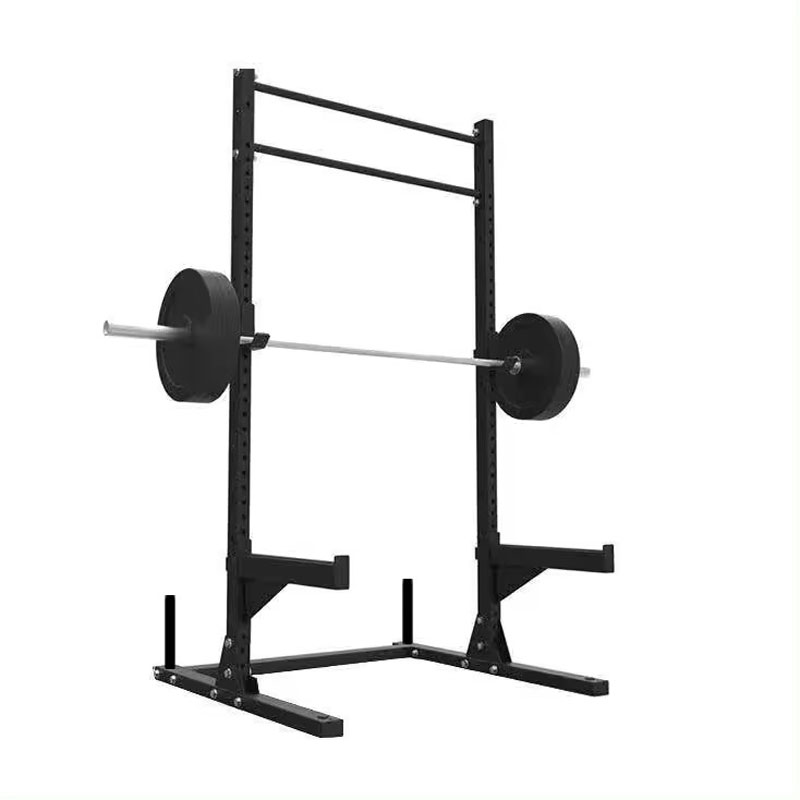
Most heavy-duty strength equipment, such as power racks and weight machines, relies on high-tensile steel tubing. The primary benefit of high-tensile steel is its ability to absorb high-impact loads without permanent deformation. A common problem in low-tier manufacturing is the use of thin-walled mild steel, which may appear sufficient during initial testing but fails under the repetitive, high-stress cycles of a commercial gym environment. The cause of this failure is often 'work hardening' or unexpected metal fatigue, where the material loses its elasticity.
Aluminum and Composites in Cardio Technology
In contrast, cardiovascular equipment, such as treadmills and elliptical trainers, often incorporates a mix of aluminum alloys and high-impact polymers. Aluminum is favored for its high strength-to-weight ratio, which reduces the total mass of moving parts, thereby decreasing the energy required for operation and reducing wear on motors. However, the lack of inherent elasticity in aluminum means that the engineering of joints and connections must be significantly more precise to prevent cracking over time.
| Material Type | Primary Application | Key Technical Advantage | Common Failure Mode |
|---|---|---|---|
| High-Tensile Steel | Strength Racks, Free Weights | Exceptional load-bearing capacity | Structural fatigue via weld failure |
| Mild Steel | Residential/Home Equipment | Cost-effectiveness | Deformation under heavy use |
| Aluminum Alloy | Cardio Frames, Small Components | Lightweight and corrosion resistance | Stress cracking at joint interfaces |
| Polyurethane/Rubber | Dumbbells, Impact Pads | Shock absorption | UV degradation and cracking |
Understanding these material properties ensures that the procurement team can request specific material certifications during the vetting process. This technical foundation is necessary before moving into the actual fabrication and assembly phases.
Advanced Fabrication and Precision Assembly Processes
Transitioning from raw materials to a finished product requires sophisticated fabrication techniques. Even with the highest quality steel, a poorly executed fabrication process will result in an unbalanced or structurally unsound machine. This stage is where the mathematical specifications of the engineering drawings are translated into physical form through cutting, bending, and welding.
Precision Metal Cutting and CNC Operations
Modern manufacturers utilize Computer Numerical Control (CNC) technology to ensure that every component is cut to exact tolerances. Whether it is laser cutting for flat plates or waterjet cutting for complex shapes, the precision of the cut dictates how well parts will fit together. A common manufacturing mistake is the use of manual cutting methods, which can result in dimensional inaccuracies. These tiny deviations, often measured in millimeters, lead to 'tolerance stack-up,' where the error accumulates throughout the assembly, resulting in a machine that feels 'loose' or unstable during use.
Welding Integrity and Structural Fusion
Welding is perhaps the most critical sub-step in the fabrication phase. For commercial-grade equipment, robotic TIG (Tungsten Inert Gas) or MIG (Metal Inert Gas) welding is the industry standard. The goal of high-quality welding is to create a deep, consistent fusion between the metal components. If a manufacturer lacks sophisticated welding controls, the resulting joints may have 'cold welds'—where the metal looks connected but lacks deep penetration. This is a major cause of catastrophic failure in strength equipment. Verifying that a manufacturer uses automated welding systems is a key metric for any professional buyer.
Once the parts are fabricated and welded, the next critical step is the application of protective coatings to prevent environmental degradation.
Related reading:
Surface Finishes and Environmental Protection Protocols
After the structural components are fabricated, they must be treated to withstand the high-friction and high-humidity environments typical of commercial gyms. A high-quality surface finish is not merely aesthetic; it is a vital layer of protection against oxidation and human-induced wear. A failure to apply a durable coating can lead to premature rust or the flaking of paint, which creates a safety hazard and ruins the professional appearance of the facility.
Powder Coating vs. Liquid Painting
Most high-end manufacturers utilize powder coating rather than traditional liquid painting. Powder coating involves applying a dry electrostatic powder to the metal surface, which is then baked in an oven to create a hard, durable skin. This process provides a significantly thicker and more resilient finish than liquid paint. The primary advantage is its resistance to scratches and chemical cleaners, which are used daily in gym environments. When evaluating a manufacturer, one should ask for the micron thickness of the powder coating applied to the frames.
Anodizing and Specialized Finishes for Moving Parts
For parts that are subject to constant movement or friction, such as weight stacks or guide rods, different treatments are required. Anodizing is frequently used on aluminum components to create a hard, non-reactive surface. For steel guide rods, chrome plating is essential to ensure smooth movement and prevent corrosion. If these surfaces are poorly treated, the user will experience 'stuttering' or resistance during the exercise, which can lead to an inconsistent training experience and increased wear on the internal bearings.
A flawless finish is only useful if the underlying structure remains sound, which brings us to the necessity of rigorous quality control and inspection.
Rigorous Quality Control and Tolerance Verification
The transition from a finished-looking machine to a certified piece of equipment occurs during the Quality Control (QC) phase. This is the most important filter for catching manufacturing defects before they reach the end-user. A professional exercise equipment manufacturers list should ideally only feature companies that can demonstrate a standardized, documented QC process.
Dimensional Tolerance and Fitment Testing
The most common issue in low-cost manufacturing is the lack of tolerance control. A precision-engineered piece of equipment must have parts that fit together perfectly with no excessive play. QC teams use calipers, micrometers, and even CMM (Coordinate Measuring Machines) to verify that every component meets the original engineering specifications. If a bearing housing is even slightly off-center, the resulting vibration and noise will significantly shorten the lifespan of the machine. Buyers should verify if the manufacturer performs 'batch testing' or 'single-unit testing' for critical tolerances.
Load Testing and Stress Simulation
Beyond simple measurements, manufacturers must perform physical load testing. This involves subjecting the equipment—or a representative sample of a production batch—to weights that exceed the stated maximum capacity. This testing is designed to identify potential points of failure under extreme conditions. A common mistake in the industry is relying solely on theoretical computer simulations (FEA) without performing actual physical stress tests. While simulations are accurate, they cannot perfectly replicate the chaotic stresses of real-world human movement and impact.
| QC Checkpoint | Tool/Method | What to Look For | Risk of Omission |
|---|---|---|---|
| Dimensional Accuracy | CMM / Calipers | Consistent tolerances across batches | Tolerance stack-up and instability |
| Weld Strength | Ultrasonic Testing | Full penetration and no internal voids | Catastrophic structural failure |
| Coating Durability | Adhesion Test | Consistent micron thickness/no flaking | Oxidation and aesthetic degradation |
| Mechanical Smoothness | Load/Friction Testing | Consistent resistance without stuttering | Bearing failure and user discomfort |
By ensuring these QC protocols are in place, a facility operator can minimize the risk of equipment failure and the associated liability.
Related reading:
Recognizing Common Manufacturing Defects and Failures
Even with established QC processes, certain defects can slip through the cracks. For a procurement specialist, the ability to identify these defects during the receiving or unboxing stage is a critical skill. Understanding the cause of these defects allows you to hold the supplier accountable and make better decisions for future orders.
Structural and Weld-Related Deficiencies
The most dangerous defects are structural. These often manifest as hairline cracks in the weld beads or 'porosity' (small holes) within the metal. The cause is usually improper gas flow during the welding process or contaminated metal surfaces. If you notice a weld that looks 'bubbly' or inconsistent, it is a sign of poor structural integrity. This is a non-negotiable failure point that should lead to an immediate rejection of the unit.
Mechanical and Electronic Integration Errors
For electronic equipment like treadmills or smart bikes, the defects are often found in the integration of the motor and the control board. Common issues include excessive noise from the motor or latency in the user interface. These are often caused by low-quality electromagnetic shielding or poorly soldered connections on the PCB (Printed Circuit Board). When inspecting high-tech equipment, always run a full-cycle test to ensure that the electronic signals and mechanical responses are perfectly synchronized.
Identifying these defects is the first step; the final step in the process is establishing a formal verification and maintenance workflow.
Related reading:
Optimizing the Verification and Procurement Strategy
Once you have identified potential manufacturers and understood their processes, the final phase is the implementation of a rigorous verification strategy. This is not just about asking for a catalog; it is about requesting technical documentation that proves their manufacturing claims. An effective procurement strategy moves from passive observation to active technical interrogation.
Requesting Technical Documentation and Certifications
Do not take a manufacturer's word for granted. When engaging with a supplier from an exercise equipment manufacturers list, request their ISO certifications (specifically ISO 9001 for quality management) and any third-party testing reports. If they claim their machines are 'commercial grade,' ask for the specific load-bearing test results and the steel grade used in the frame. A transparent manufacturer will be able to provide these technical data sheets readily.
Establishing a Pre-Shipment Inspection Protocol
For large-scale facility builds, relying on the manufacturer's internal QC is a significant risk. The most successful operators implement a pre-shipment inspection (PSI). This can be done by hiring a third-party inspector to visit the factory and witness the final testing phases. This inspector can verify that the machine being shipped is the exact same one that passed the load and tolerance tests. This level of due diligence is the best defense against receiving substandard or dangerous equipment.
By integrating these technical-level checks into your procurement process, you move from a buyer to a strategic partner in quality assurance, ensuring long-term operational success.