
How to Reduce Carbon Footprint in Hotel Fitness Operations
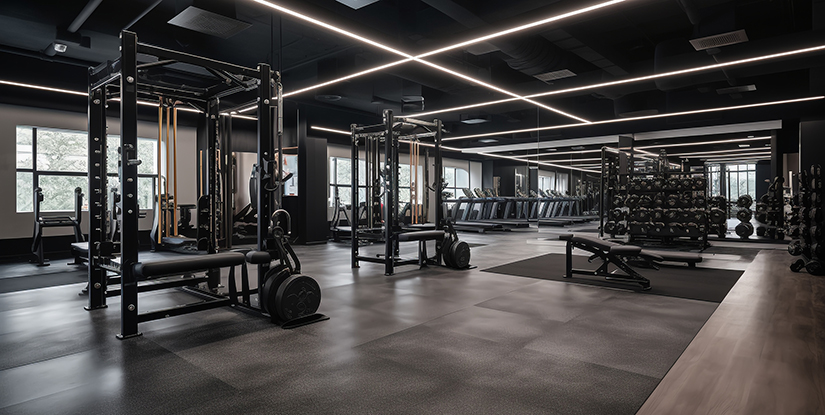
Addressing Energy Inefficiency in Hotel Fitness Facilities
Hotel fitness centers represent a unique operational challenge for sustainability officers. Unlike standard guest rooms, these areas house heavy-duty mechanical equipment that remains in a state of high-energy readiness, often consuming power even when unused. A primary pain point for operators is the high cost of 'phantom loads'—electricity consumed by machines in standby mode—and the significant carbon footprint generated by climate control systems attempting to regulate high-heat zones. Without a structured approach, the fitness center becomes a high-emission outlier in a hotel's overall sustainability report.
The root cause of excessive carbon output in these facilities is often twofold: outdated, non-regenerative equipment and unoptimized environmental controls. To mitigate this, operators must move away from reactive maintenance toward a proactive, systemic management model that addresses energy from the moment of procurement through the entire lifecycle of the equipment.
Related reading:
Strategic Procurement: Selecting Low-Emission Fitness Equipment
The journey toward a reduced carbon footprint begins during the procurement phase. Many operators fall into the trap of selecting equipment based solely on brand prestige or durability, overlooking the energy-per-use ratio. Choosing equipment that does not actively contribute to the building's energy load is a critical first step.
Evaluating Energy-Generating vs. Energy-Consuming Units
Modern commercial-grade cardio machines now offer varying degrees of energy integration. Some high-end units are designed to capture kinetic energy generated by the user and feed it back into the facility's power grid. While the return on investment (ROI) for a single machine is long, a fleet of such machines can significantly offset the facility's operational baseline.
| Equipment Type | Standard Operation | Low-Carbon Alternative | Implementation Benefit |
|---|---|---|---|
| Treadmills | Constant AC motor pull | Self-powered/Generator-integrated | Reduces idle electricity draw |
| Stationary Bikes | Passive resistance | Kinetic energy recovery systems | Zero power draw during use |
| Strength Machines | Manual/Mechanical | Highly optimized bearings | Reduced friction/Lower heat output |
| Control Panels | Always-on LCD/Tablet | Motion-activated/Low-power UI | Significant standby energy reduction |
Operator Verification: When reviewing technical spec sheets from suppliers, do not just look for 'Energy Star' ratings. Specifically request the 'standby power consumption' (measured in Watts) for all electronic components. If a supplier cannot provide a clear wattage for the machine in idle mode, the equipment is likely a high-emission liability.
Optimizing Power Management via Intelligent Control Systems
Even the most efficient equipment becomes a carbon liability if it is left running unnecessarily. A common mistake in hotel operations is failing to implement a centralized power management strategy for the fitness center. A single treadmills left in 'on' mode overnight can contribute significantly to cumulative energy waste.
Implementing Smart Power Distribution
To prevent this, operators should utilize intelligent power strips or centralized control systems that can cut power to non-essential circuits during low-traffic hours. This is particularly effective for digital consoles and lighting systems. Rather than relying on manual switches, which are subject to human error, automated scheduling ensures that the facility operates at a baseline level during the night.
The Danger of Idle Electronics
A significant 'hidden' emission source is the constant power draw from entertainment modules—integrated tablets, streaming devices, and high-brightness screens. These devices often remain in a high-power state even when no guest is present. By implementing a system that triggers a low-power or 'sleep' mode via motion sensors, hotels can reduce these secondary energy draws by up to 40%.
HVAC and Climate Control: Managing Thermal Loads
The fitness center is often the most difficult zone to regulate thermally. High physical activity generates significant body heat, which in turn forces the HVAC system to work harder to maintain a comfortable temperature. This creates a feedback loop of high energy consumption.
Thermal Dissipation and Ventilation Strategies
Instead of simply cranking the air conditioning, operators should focus on high-efficiency air circulation. Utilizing variable refrigerant flow (VRF) systems allows for more precise temperature control, adjusting the cooling output based on real-time occupancy. If the gym is empty at 3:00 AM, the system should not be maintaining a 'workout-ready' temperature of 68°F (20°C).
Common Error: Over-cooling for Comfort
A frequent mistake is setting the thermostat too low in anticipation of high activity levels. This results in massive energy waste during the hours when the gym is underutilized. A better approach is to implement a 'graduated temperature' protocol: a slightly higher temperature during low-traffic hours, which the HVAC system adjusts automatically based on real-time sensor data as the facility warms up with usage.
Related reading:
Sustainable Lighting and Ambient Environment Control
Lighting in fitness centers is often overlooked in carbon reduction strategies because the total wattage appears low compared to heavy machinery. However, when scaled across hundreds of hotel properties, the impact is substantial. The transition from traditional high-intensity discharge lamps to advanced LED systems is no longer optional for a modern green facility.
Smart Lighting Integration
Effective lighting management involves more than just choosing LEDs. It involves the integration of daylight harvesting and occupancy sensors. If a fitness center has large windows, daylight harvesting sensors can dim the artificial lights as natural light increases, reducing the reliance on electrical power. Occupancy sensors should be calibrated with a 'delayed dimming' feature to ensure that a single person walking through doesn't cause jarring light fluctuations, which can degrade the guest experience.
| Light Component | Traditional Method | Sustainable Method | Verification Metric |
|---|---|---|---|
| Primary Lighting | Fluorescent/HID | High-CRI LED | Lumens per Watt (lm/W) |
| Activation | Manual Switching | PIR Motion Sensors | Detection range accuracy |
| Daylight Strategy | Fixed Output | Photo-sensor Dimming | Ambient light lux levels |
Operator Tip: Verify the 'Color Rendering Index' (CRI) of your new LEDs. High-quality LEDs (CRI >90) are essential in a gym to ensure the environment feels premium and energetic, even if the brightness is lower than traditional lighting.
Reducing the Carbon Footprint through Maintenance and Lubrication
Mechanical friction is a direct driver of energy inefficiency. As bearings wear down or belts become loose, machines require more torque—and thus more electricity—to complete a movement. A poorly maintained treadmill or cycle is a high-carbon machine.
Proactive Friction Management
Regular lubrication of moving parts (belts, chains, and bearings) is not just about longevity; it is about energy efficiency. When a treadmill belt is dry, the motor must work harder to overcome friction, increasing the wattage consumed per mile. Operators should establish a rigorous maintenance schedule that treats lubrication as an energy-saving protocol rather than just a repair task.
The Impact of Component Wear
Broken or worn-out components often lead to 'increased resistance' errors on digital consoles. When these errors appear, it is a technical indicator that the machine's efficiency has dropped. Rather than waiting for total failure, use these indicators as a trigger for preventative maintenance. This ensures the equipment continues to operate within its optimal, low-power parameters.
Related reading:
Optimizing Facility Layout for Natural Airflow
The physical arrangement of equipment can significantly impact the energy required to cool the room. If large, high-heat machines (like motorized treadmills) are clustered in a way that blocks air vents or creates 'dead zones' of stagnant air, the HVAC system must work harder to circulate cool air.
Heat Zone Segregation
A strategic layout involves placing high-heat-generating machines near specialized ventilation or in areas where air circulation is most effective. For example, heavy cardio equipment should not be placed in a corner that lacks airflow. By creating clear pathways for air to move through the equipment rows, you decrease the workload on the AC units.
Density and Thermal Comfort
Consider the 'thermal footprint' of your equipment. Grouping machines with similar heat outputs can help in managing the load. For example, placing heavy resistance machines (which generate less heat) away from the primary air output can preserve the 'cooling stream' for the cardio area, where it is most needed. This prevents the common issue of 'localized hot spots' that often drive guests to complain about temperature.
Measuring and Verifying Success: The Sustainability Audit
The final step in reducing the carbon footprint is ensuring that your interventions are actually working. You cannot manage what you do not measure. A 'set it and forget it' mentality is the enemy of sustained carbon reduction.
Data-Driven Verification
Modern smart meters can provide granular data on how much energy is being consumed by specific circuits in the fitness center. Operators should perform monthly audits comparing the energy consumption of the fitness center against historical averages and occupancy levels. If energy use remains high while occupancy is low, it indicates a failure in your smart-power or HVAC scheduling.
The Continuous Improvement Loop
A successful reduction strategy is a cycle. Use the data gathered from smart sensors to refine your HVAC setpoints, adjust your lighting schedules, and reassess your equipment maintenance frequency. By treating the fitness center as a living, data-producing part of the hotel, you can move toward a truly low-carbon operation that provides a premium experience without the environmental cost.