How to Choose Fitness Equipment That Matches Your Hotel Brand Standard
The discrepancy between a hotel's visual identity and its functional amenities can lead to significant guest dissatisfaction. For many hospitality operators, the fitness center is often treated as an afterthought—a room filled with whatever equipment was available or on sale. This mismatch creates a failure mode where a high-end luxury property features aging, mismatched, or aesthetically unpleasing cardiovascular machines, instantly eroding the perceived value of the brand. To avoid this, procurement must move from a simple 'purchase and install' mindset to a strategic alignment of brand, aesthetics, and technical performance.
Identifying the Mismatch Between Brand Identity and Amenity Quality
The primary problem in hotel fitness procurement is the 'identity gap.' This occurs when the brand promises a specific level of luxury or efficiency, but the fitness equipment suggests a budget-tier gymnasium. This gap is caused by a lack of communication between the interior design team and the equipment procurement specialist.
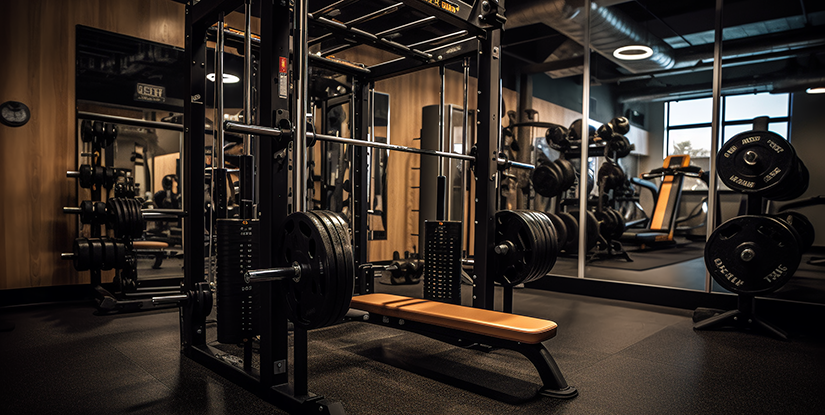
When a luxury hotel installs heavy-duty, industrial-looking black iron weight racks in a space designed with light oak and minimalist marble, the visual friction is palpable. Guests notice the lack of cohesion, which can diminish the premium feel of the entire stay. To fix this, operators must treat fitness equipment as a piece of 'functional furniture' rather than just a machine. The verification of success lies in a seamless visual transition from the hotel hallway into the fitness center.
The Impact of Visual Friction on Guest Perception
Visual friction isn't just about looks; it's about the psychology of wellness. A brand that focuses on 'zen' and 'relaxation' cannot effectively deliver that message if the gym is filled with high-intensity, neon-colored, or overly aggressive-looking machinery. The equipment must speak the same language as the lobby and the guest rooms.
Determining the Correct Equipment Tier: Luxury vs. Mid-Scale
A common mistake is over-investing in top-tier commercial equipment for a mid-scale property or under-investing in a luxury boutique. This leads to either wasted capital or a failed brand promise. The selection criteria must be dictated by the property's target demographic and the expected level of intensity.
| Feature Component | Luxury/Boutique Standard | Mid-Scale/Business Standard |
|---|---|---|
| Aesthetic Profile | Minimalist, integrated screens, premium finishes | Functional, durable, standard digital interfaces |
| Material Selection | Stainless steel, high-grade leather, brushed metals | High-impact plastics, reinforced synthetic leather |
| Technology Requirements | IoT integration, streaming connectivity, custom UI | Standard console functionality, basic data tracking |
| Maintenance Expectation | White-glove, daily deep cleaning, aesthetic focus | Regular operational cleaning, high durability |
To verify your tier selection, map your equipment list against your brand's primary value proposition. If your brand value is 'Efficiency and Speed,' focus on high-turnover cardio equipment with intuitive interfaces. If it is 'Holistic Wellness,' focus on ergonomic, aesthetically soft-edged equipment.
Related reading:
Aligning Equipment Aesthetics with Interior Design Schematics
The cause of many failed gym renovations is the late-stage introduction of equipment. Often, the interior designer finishes the space, only for the procurement officer to realize the cardio machines do not fit the color palette. This forces expensive color-matching hacks or, worse, permanent aesthetic clashing.
The Fix: Integrate the equipment selection into the early-stage CAD (Computer-Aided Design) phases. A professional approach involves requesting digital renderings of the equipment in various finishes—such as brushed aluminum versus matte black—to ensure they complement the flooring and wall textures. The goal is to create a cohesive environment where the machines feel 'built-in' rather than 'dropped-in.'
Material and Texture Consistency
Pay close attention to the touchpoints. In a luxury setting, the texture of a treadmill's handrails or the grain of a weight bench's upholstery can confirm the brand's attention to detail. Ensure that the metallic finishes of the strength equipment align with the metal accents found in the hotel's lighting or room hardware.
Engineering Durability for High-Traffic Hospitality Environments
The failure mode here is premature mechanical breakdown. Unlike a private gym, hotel equipment undergoes unpredictable, heavy-duty usage patterns. A common mistake is selecting equipment with delicate electronics or high-maintenance components that require specialized technicians for every minor glitch.
The mechanism of failure in hospitality is often environmental—humidity from poorly ventilated spaces or high usage causing rapid wear on moving parts. To prevent this, specify commercial-grade units with high-durability bearings and reinforced motors. If the brand standard is 'Reliability,' your equipment must be able to handle 24/7 use without constant service calls.
| Component | Potential Failure Mode | Prevention Strategy |
|---|---|---|
| Treadmill Drive Motor | Overheating due to continuous use | Specify high-wattage motors with cooling systems |
| Upholstery | Cracking or discoloration from sweat/sanitizer | Select medical-grade or high-density synthetic materials |
| Digital Consoles | Software lag or screen failure | Request modular, easily-upgradable electronic units |
| Cables/Pulleys | Fraying and snapping | Insist on high-tensile strength, reinforced cables |
Related reading:
Optimizing Layout and Footprint for Brand-Appropriate Flow
A poorly laid out gym feels cluttered and chaotic, which is the antithesis of a managed hospitality experience. The problem is often a lack of spatial awareness during the procurement phase. If you buy too many large pieces of equipment without a layout plan, you create 'bottlenecks' that hinder guest movement.
The fix is to utilize a 'Zonal Approach.' Define zones for Cardio, Strength, and Flexibility. Each zone should have a specific clearance requirement to ensure safety and brand-level comfort. For example, a luxury wellness center should have significant buffer zones between machines to provide a sense of privacy and luxury, whereas a business hotel might prioritize higher density with efficient pathways.
The Importance of Clearance and Safety Zones
Always verify your layout against the maximum dimensions of the equipment, including the 'operational footprint' (the space required when a user is actively moving or adjusting the machine). A machine that fits the room but leaves only inches of space for a user to step off is a liability and a brand failure.
Related reading:
Technical Verification: Implementing a Maintenance and Inspection Protocol
Even the highest-quality equipment will fail if maintenance is neglected. The common cause of equipment decline in hotels is the 'broken-fix' cycle: waiting for a guest to complain before addressing a mechanical issue. This approach is reactive and harms the brand reputation.
Actionable Fix: Implement a proactive, tiered maintenance schedule. This includes daily visual inspections by housekeeping and weekly technical checks by facility management. A professional operator should maintain a digital log for every major piece of equipment. This ensures that the brand standard of 'Excellence' is maintained through preventive action rather than reactive repair.
A Professional Maintenance Checklist
- Daily: Wipe down all surfaces, check for loose bolts, and ensure all electronic screens are functional.
- Weekly: Lubricate treadmill belts, check cable tension, and inspect upholstery for tears.
- Monthly: Inspect electrical connections, test emergency stop buttons, and clean ventilation ports on motors.
Future-Proofing: Choosing Equipment with Longevity and Upgradability
Technology in the fitness sector evolves rapidly. If you purchase equipment with non-upgradable, closed-loop systems, you risk the machines becoming obsolete within three years. This creates a cycle of frequent, costly replacements that can drain capital and disrupt the brand's consistency.
The mechanism for long-term value is 'Modular Selection.' Look for equipment that allows for the replacement of individual components—such as the tablet, the motor, or the console—without replacing the entire unit. This allows you to upgrade the technology (to keep up with modern guest expectations) while retaining the high-quality mechanical structure of the machine.
Final Verification of the Selection Process
Before finalizing any purchase, the procurement team must perform a final 'Brand Stress Test.' This involves reviewing the equipment specifications against the hotel's Brand Standard Manual (BSM) and the interior design mood boards. If any piece of equipment feels like an outlier, the selection process must be restarted for that specific item. Total brand cohesion is the ultimate indicator of a successful procurement strategy.